
How to Make your Brand Stand Out
Being a newbie in any industry is tough, most especially in the cutthroat world of food and bever-ag...

CITEM advises all exhibitors, buyers, suppliers, service providers, partners, stakeholders, and the public to remain vigilant against unauthorized individuals, groups, or third-party entities falsely claiming to represent CITEM and its official programs and events.
These unauthorized communications may be sent through email, calls, SMS/text messages, social media, messaging applications, websites, or other digital channels. They may involve the alleged selling, distribution, or unauthorized access to CITEM data, databases, or contact lists. They may also involve solicitations, donation requests, sponsorship offers, payment instructions, or other monetary requests using the name of CITEM, its officials, personnel, events, or partners.
Please be reminded:
Official CITEM communications are sent only through verified official channels and corporate email domains, including @citem.com.ph.
CITEM does not authorize any individual, third-party entity, or unofficial representative to sell, distribute, share, or provide access to its official data, databases, contact lists, or stakeholder information.
CITEM does not authorize donations, sponsorship payments, direct fund transfers, e-wallet payments, or other monetary transactions through personal accounts or unofficial channels.
Do not click links, download attachments, reply, provide information, or make payments in response to suspicious communications.
If you receive any suspicious communication claiming to be connected with CITEM, please verify directly with your official project focal point or through CITEM’s official communication channels.
Thank you for your continued cooperation and vigilance.
Center for International Trade Expositions and Missions
September 14, 2026
From an iconic, naturally rich sweetness to consistent year-round availability, the country’s signature fruit continuously evolves to meet sophisticated global demand.
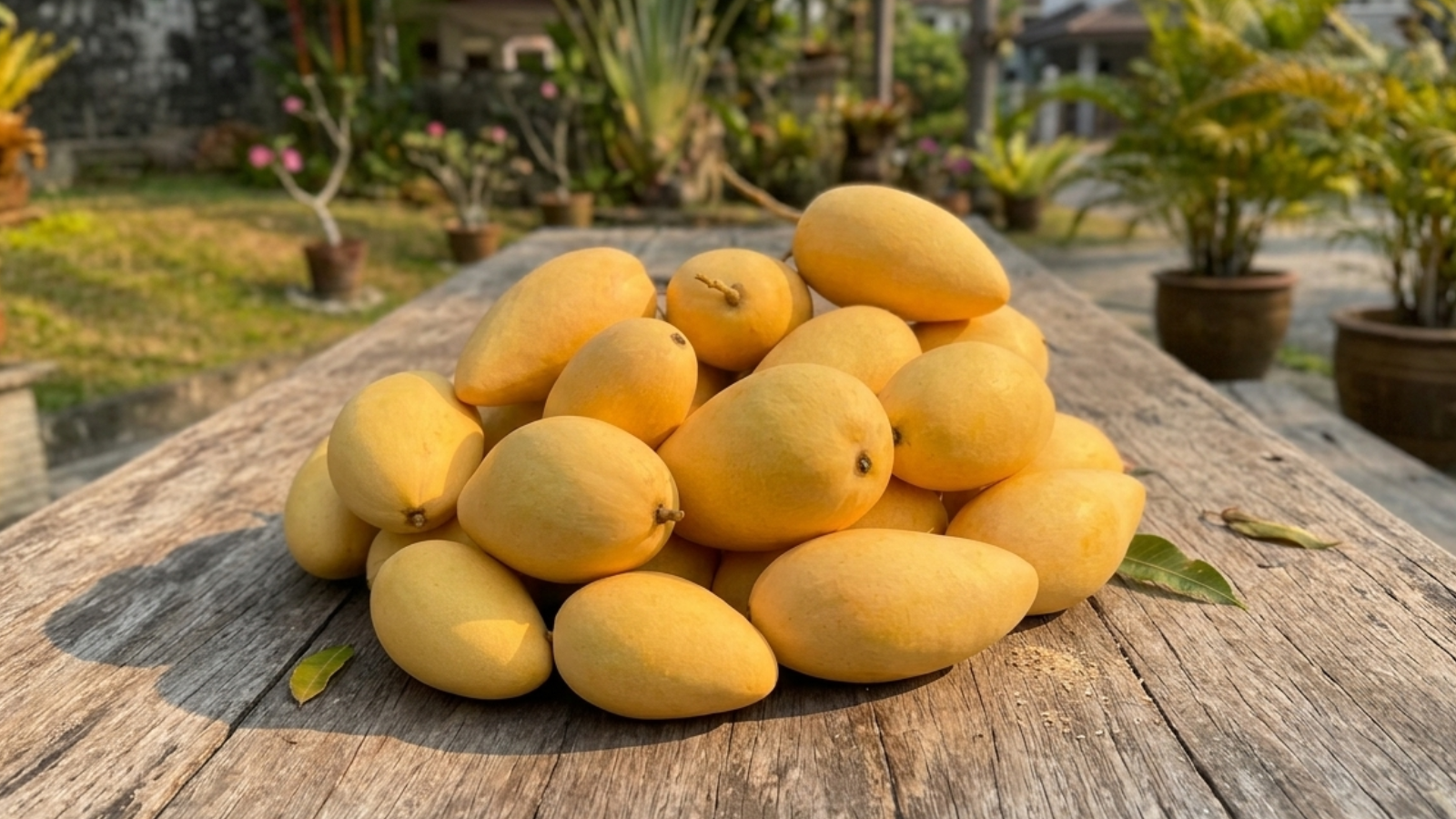
For Filipinos, mango is more than just a national fruit; it is woven into everyday routines and seasonal rhythms. During peak harvest months, particularly in the dry season from March to June, mangoes become a constant presence in homes, markets, and roadside stalls. There is a sense of anticipation tied to this period, when the fruit reaches its sweetest form and is eaten at its freshest. A ripe mango is often sliced and eaten by hand, with many savoring it down to the seed until the fibrous pit is stripped nearly clean.
Unripe mangoes, by contrast, are enjoyed for their sharpness—paired with salt or dipped in bagoong, a fermented shrimp paste that adds a savory, umami contrast. These pairings are not incidental, but reflect a broader food culture that values balance between sour, salty, and sweet flavors.
This familiarity extends across different settings. On street corners, sliced green mangoes are sold as quick snacks, while in households, ripe mangoes are incorporated into desserts and drinks. One widely recognized example is mango graham cake—a chilled, no-bake dessert made with layers of crushed graham crackers, cream, and ripe mango slices, commonly served during holidays and celebrations. Whether enjoyed tart and crisp or lush and sugary, the mango is deeply woven into the local culinary identity.
At the heart of this affection is the island province of Guimaras. Dubbed the "Mango Capital of the Philippines," this region is world-renowned for producing the sweetest variety of the Carabao mango. The fruit here is so revered that locals celebrate the Manggahan Festival every year, and strict quarantine laws are in place to protect the island’s trees from pests, ensuring that every harvest maintains its legendary quality.
Mangoes are naturally seasonal, historically blooming during the dry months from March to June. One may wonder, then: How do Filipinos and the rest of the world get to enjoy this seasonal fruit beyond its peak harvest period? The answer lies in science and innovation.
Enter Dr. Ramon C. Barba, a Philippine National Scientist whose groundbreaking discovery in the 1970s changed the game. By applying a simple spray of potassium nitrate, farmers could induce flowering outside the natural season. This innovation — shared freely without royalties — helped transform mango farming and opened doors for continuous production and export. Recognized by the National Academy of Science and Technology in 2014, Dr. Barba’s work remains a cornerstone of the industry, enabling farmers to supply fresh mangoes year-round and maintain a steady presence in international markets.
A global sweet spot
The Philippines has long been a recognized player in the global mango market, alongside major exporters like Thailand, Mexico, and Peru. Despite production challenges from typhoons, droughts, and pests, the local industry continues to innovate and expand its reach. In June 2025, the country achieved a major milestone with its first commercial shipment of Pangasinan mangoes to Italy. Building on this momentum in June 2026, a pilot shipment of Geographical Indication (GI)-certified Guimaras mangoes reached the European Union—landing in Belgium and distributing to France, Germany, Spain, and the Netherlands—underscoring the Philippines' push to position its premium fruit in high-value foreign markets.

Beyond fresh consumption, mangoes have evolved into processed formats that help extend their market life beyond the harvest season. Fresh varieties from Guimaras and Zambales are prized for their sweetness and quality, while Cebu’s dried mangoes show how processing allows the fruit to reach consumers even when fresh supply is limited or when longer distribution is required.
Together, these fresh and processed formats demonstrate how Philippine mango moves across different market needs, from premium fresh fruit to shelf-stable snacks, purées, juices, and preserves. This further reinforces mango’s role as both a cultural staple and a scalable product category: enjoyed fresh at peak season, then carried into year-round markets through processing and value-added innovation.
Product innovation and market alignment
As demand moves beyond fresh fruit, the industry’s next phase is defined by how mango is processed, packaged, and positioned for wider markets. Philippine companies are producing mango-based products designed for convenience, longer shelf life, and broader culinary use.

Companies such as KLT Fruits Incorporated and Profood International Corporation have built strong export portfolios around dried mangoes, juices, and purées, supplying both retail and industrial markets. Meanwhile, Sangkutsa Food Products Inc. focuses on preserves and other shelf-stable formats, demonstrating how mango is transformed into products suited for longer distribution cycles and diverse culinary applications.
Philippine mango producers and processors have the production base to support both fresh-market opportunities and value-added formats. According to the Philippine Statistics Authority, the country produced 529.65 thousand metric tons of mangoes from April to June 2025. Carabao mango remains the variety most closely associated with the Philippine mango industry's reputation in domestic and export markets, valued for its sweetness, aroma, and smooth texture.
The country’s first commercial shipment of mangoes to Italy in 2025 is seen as an important market-entry milestone for Philippine mangoes in Europe, with over half a ton of Pangasinan-grown mangoes arriving at Rome’s Fiumicino Airport. While still an initial volume, the shipment shows that Philippine exporters are able to meet the sanitary, phytosanitary, and handling requirements needed to enter new markets.
From this starting point, there is an opportunity to build demand gradually. As fresh mangoes introduce buyers to the fruit’s sweetness, aroma, and smooth texture, consistent supply, proper handling, and market compliance can help strengthen confidence in Philippine sourcing. Over time, this may also create openings for value-added mango products such as dried mangoes, purées, juices, and preserves, giving buyers more ways to carry Philippine mango across retail, food service, gifting, and ingredient applications.
The Philippines’ ability to produce mangoes year-round is more than a scientific breakthrough — it is a competitive advantage. By combining tradition, innovation, and sustainability, the mango industry continues to strengthen its global footprint.
Being a newbie in any industry is tough, most especially in the cutthroat world of food and bever-ag...

In April 2020, mountains of surplus broccoli and cauliflower were pictured decaying in the Mountain...

A country renowned for its pristine beaches and infectious hospitality, the Philippines is also the...

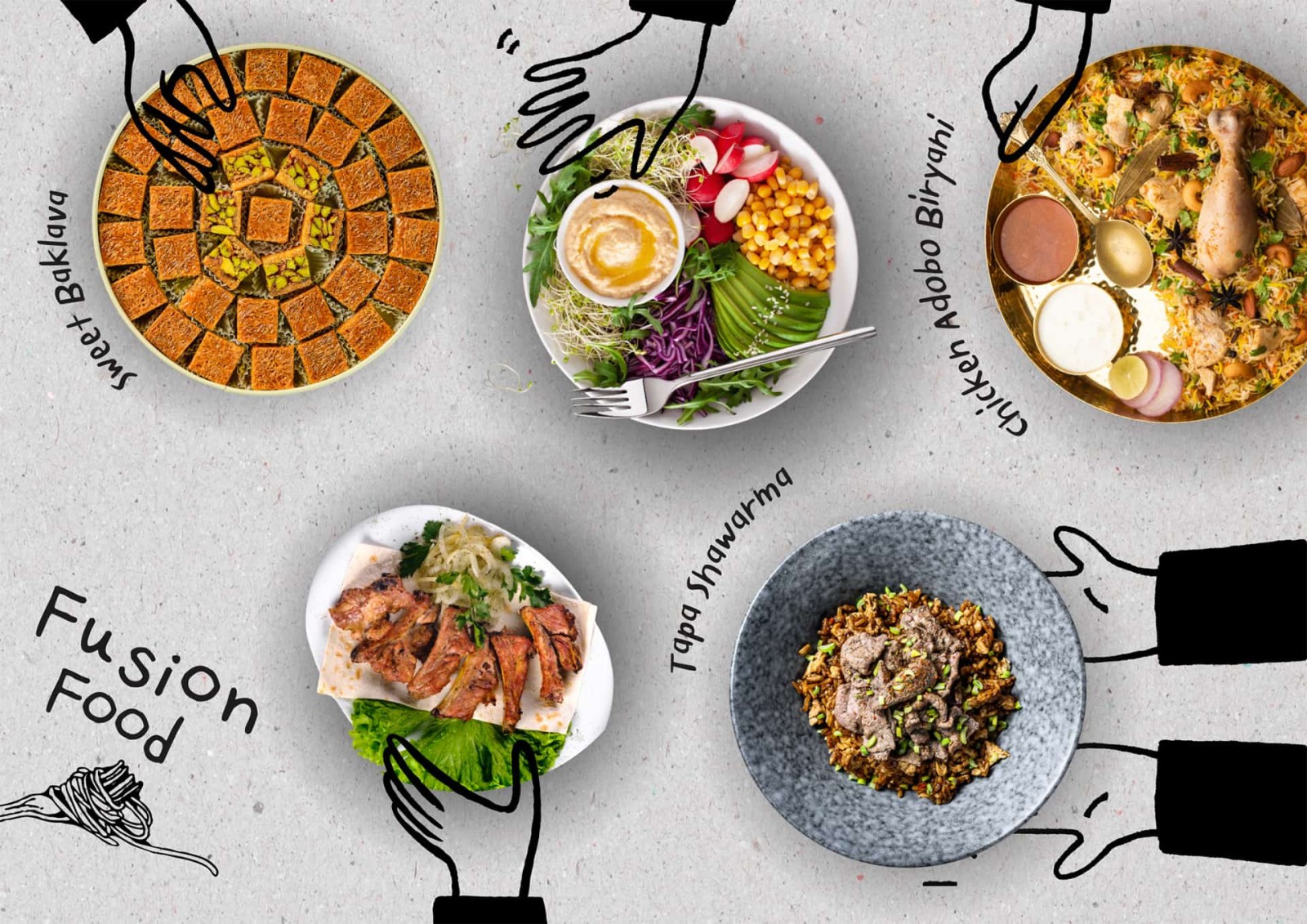
Check out these food fusions between Filipino and Middle Eastern cuisines
The unending quest for healthy and sustainable food amid changing lifestyles
A quick look at the Philippine food staple often getting a bad health rap