
How to Make your Brand Stand Out
Being a newbie in any industry is tough, most especially in the cutthroat world of food and bever-ag...

CITEM advises all exhibitors, buyers, suppliers, service providers, partners, stakeholders, and the public to remain vigilant against unauthorized individuals, groups, or third-party entities falsely claiming to represent CITEM and its official programs and events.
These unauthorized communications may be sent through email, calls, SMS/text messages, social media, messaging applications, websites, or other digital channels. They may involve the alleged selling, distribution, or unauthorized access to CITEM data, databases, or contact lists. They may also involve solicitations, donation requests, sponsorship offers, payment instructions, or other monetary requests using the name of CITEM, its officials, personnel, events, or partners.
Please be reminded:
Official CITEM communications are sent only through verified official channels and corporate email domains, including @citem.com.ph.
CITEM does not authorize any individual, third-party entity, or unofficial representative to sell, distribute, share, or provide access to its official data, databases, contact lists, or stakeholder information.
CITEM does not authorize donations, sponsorship payments, direct fund transfers, e-wallet payments, or other monetary transactions through personal accounts or unofficial channels.
Do not click links, download attachments, reply, provide information, or make payments in response to suspicious communications.
If you receive any suspicious communication claiming to be connected with CITEM, please verify directly with your official project focal point or through CITEM’s official communication channels.
Thank you for your continued cooperation and vigilance.
Center for International Trade Expositions and Missions
September 15, 2026
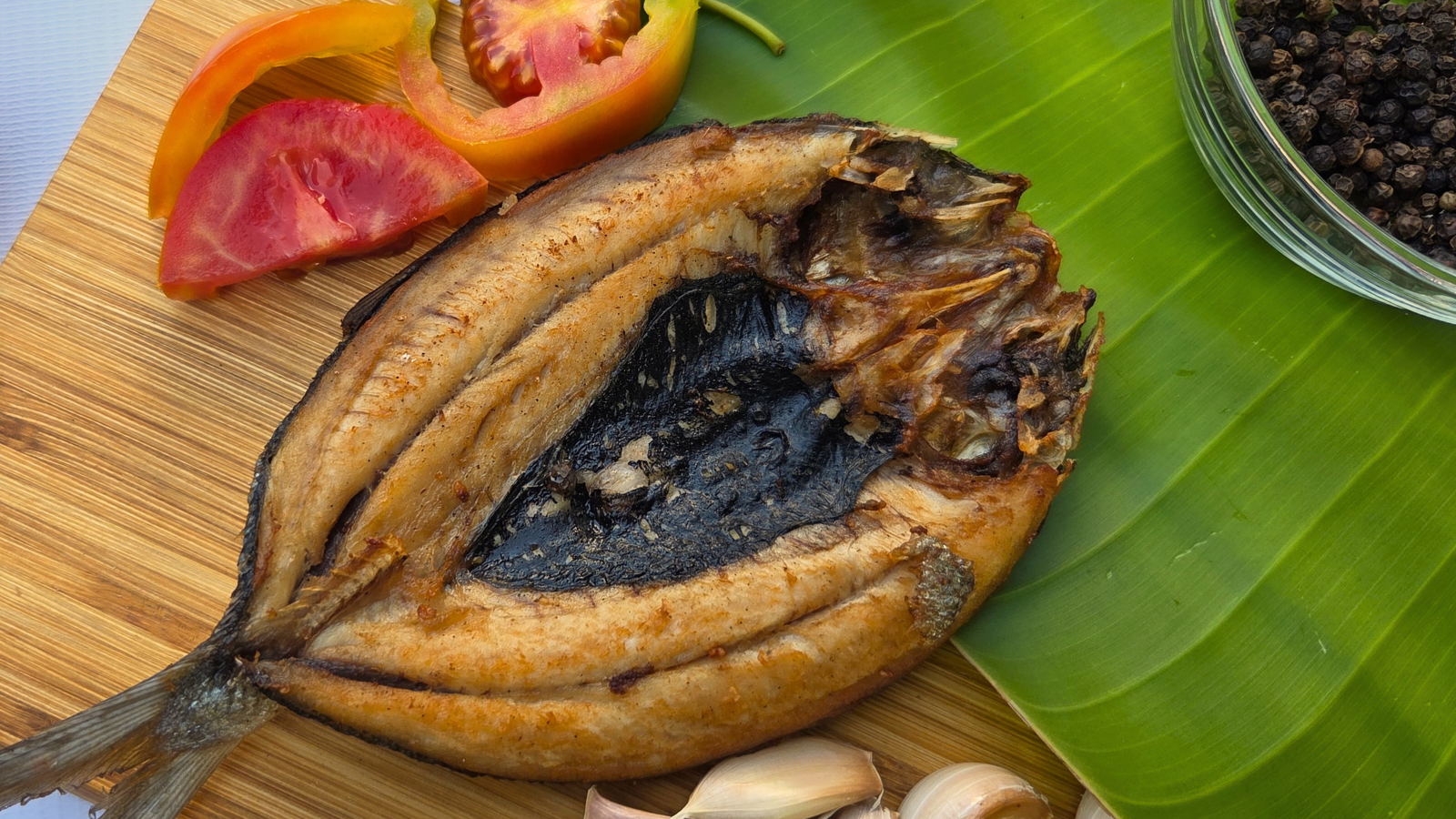
No longer just a local secret, milkfish—famously known as bangus—is quickly stepping into the international culinary spotlight, bringing its incredible versatility to dining tables around the world.
Bangus, or milkfish, has long held a steady place in Filipino households. Found in markets, roadside eateries, and family kitchens, it is valued not only for its taste but for how consistently it fits into everyday meals. From simple home cooking to commercial food service, bangus remains one of the most accessible and widely consumed fish in the country.
This familiarity is closely tied to its availability. The Philippines is one of the world’s leading producers of milkfish, supported by extensive aquaculture systems in coastal and inland areas. According to the Philippine Statistics Authority (PSA), milkfish consistently ranks among the top aquaculture commodities by volume, supplying both local markets and processing sectors. This steady production allows bangus to remain more affordable compared to many other protein sources, including certain cuts of pork and beef, making it a practical choice for daily consumption.
Beyond accessibility, bangus is valued for its nutritional profile. It is a good source of protein and contains omega-3 fatty acids that support heart health. These qualities contribute to its continued presence in Filipino diets, where meals often balance affordability with nutritional value.
Its cultural relevance is reflected in how it is prepared across regions. In coastal areas, bangus is often grilled (inihaw) and served with dipping sauces that highlight its natural flavor. In other regions, it is cooked in sour broths such as sinigang, where its richness is balanced by tamarind or other souring agents. It is also commonly marinated and fried (daing na bangus), a preparation that extends shelf life while intensifying flavor. These variations are not just culinary choices but practical adaptations shaped by local ingredients and preservation methods.
Over time, this versatility has extended beyond fresh cooking into processed formats. Deboned bangus, marinated cuts, and ready-to-cook variants are now widely available, reflecting how the product has adapted to changing consumer needs. These formats reduce preparation time and address one of the fish’s main challenges—its many fine bones—making it more accessible to a broader market.
This shift toward processing is also what enables bangus to move beyond domestic consumption. At IFEX Philippines, producers are presenting bangus not just as a fresh fish, but as a value-added product suited for retail and food service channels. Companies such as Jida Food and Mega Fishing Corporation have developed processed bangus products—including bottled, marinated, and ready-to-eat variants—that align with international requirements for shelf life, packaging, and consistency.
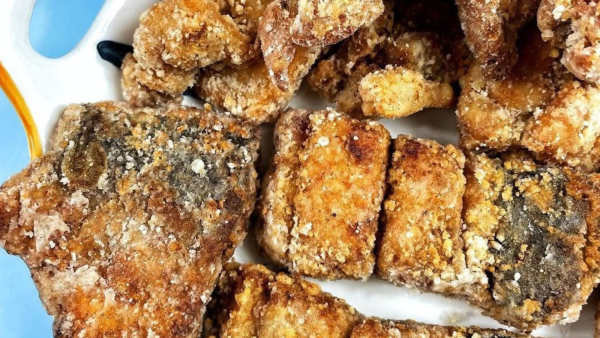
For buyers, these developments shift the conversation from raw supply to product readiness. Standardized cuts, controlled processing, and improved packaging make it easier to integrate bangus into structured distribution systems. Rather than relying solely on fresh fish logistics, suppliers can offer formats that are more stable and scalable.
Bangus remains, first and foremost, a staple of the Filipino table. But as processing improves and market access expands, it is also becoming a more structured product within the broader seafood trade. This dual role—both as a daily food and as a value-added export—defines its relevance today.
Discover processed seafood products and connect with Philippine suppliers at IFEX Philippines or explore more options through IFEXConnect.
Being a newbie in any industry is tough, most especially in the cutthroat world of food and bever-ag...

In April 2020, mountains of surplus broccoli and cauliflower were pictured decaying in the Mountain...

A country renowned for its pristine beaches and infectious hospitality, the Philippines is also the...

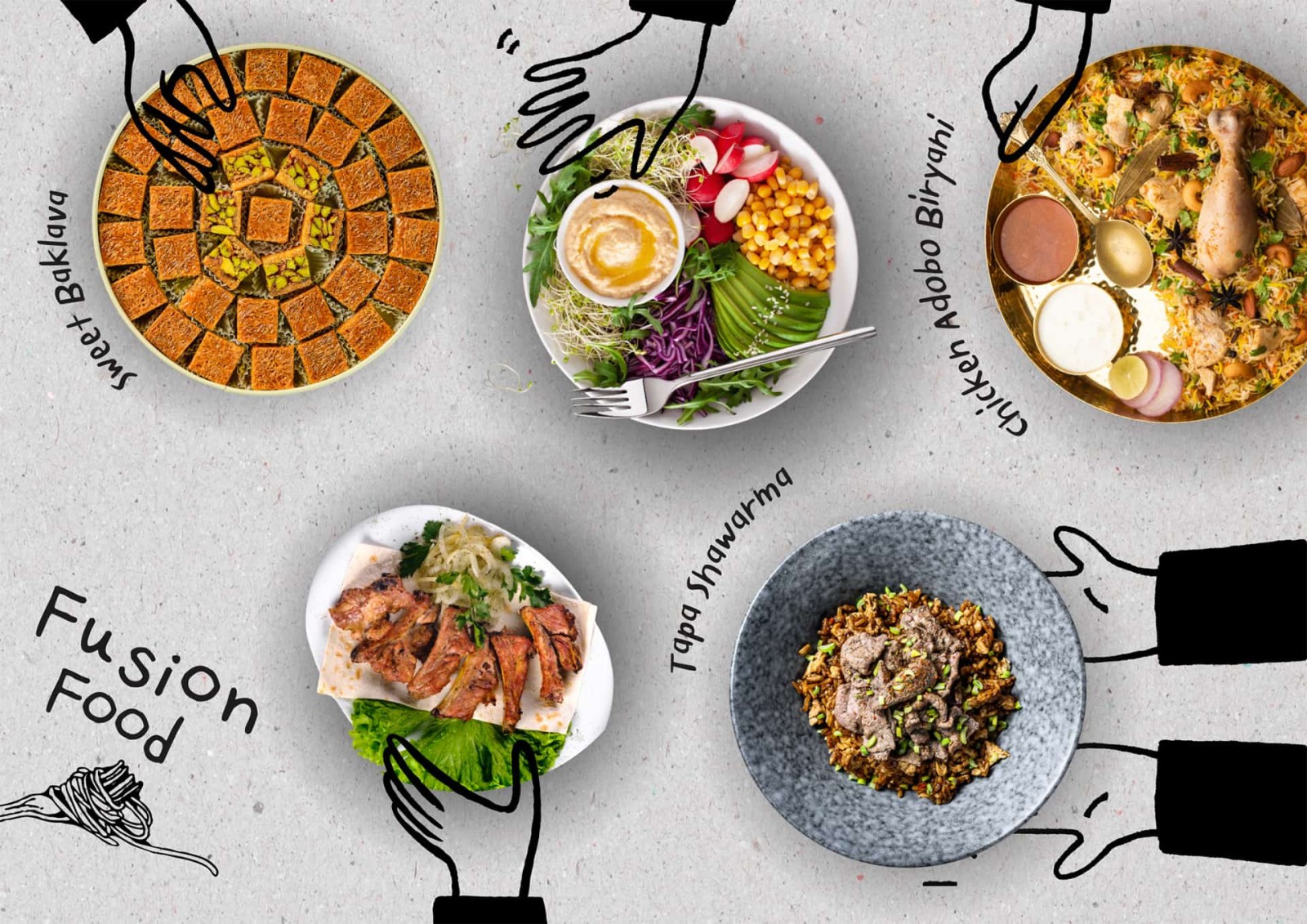
Check out these food fusions between Filipino and Middle Eastern cuisines

The unending quest for healthy and sustainable food amid changing lifestyles
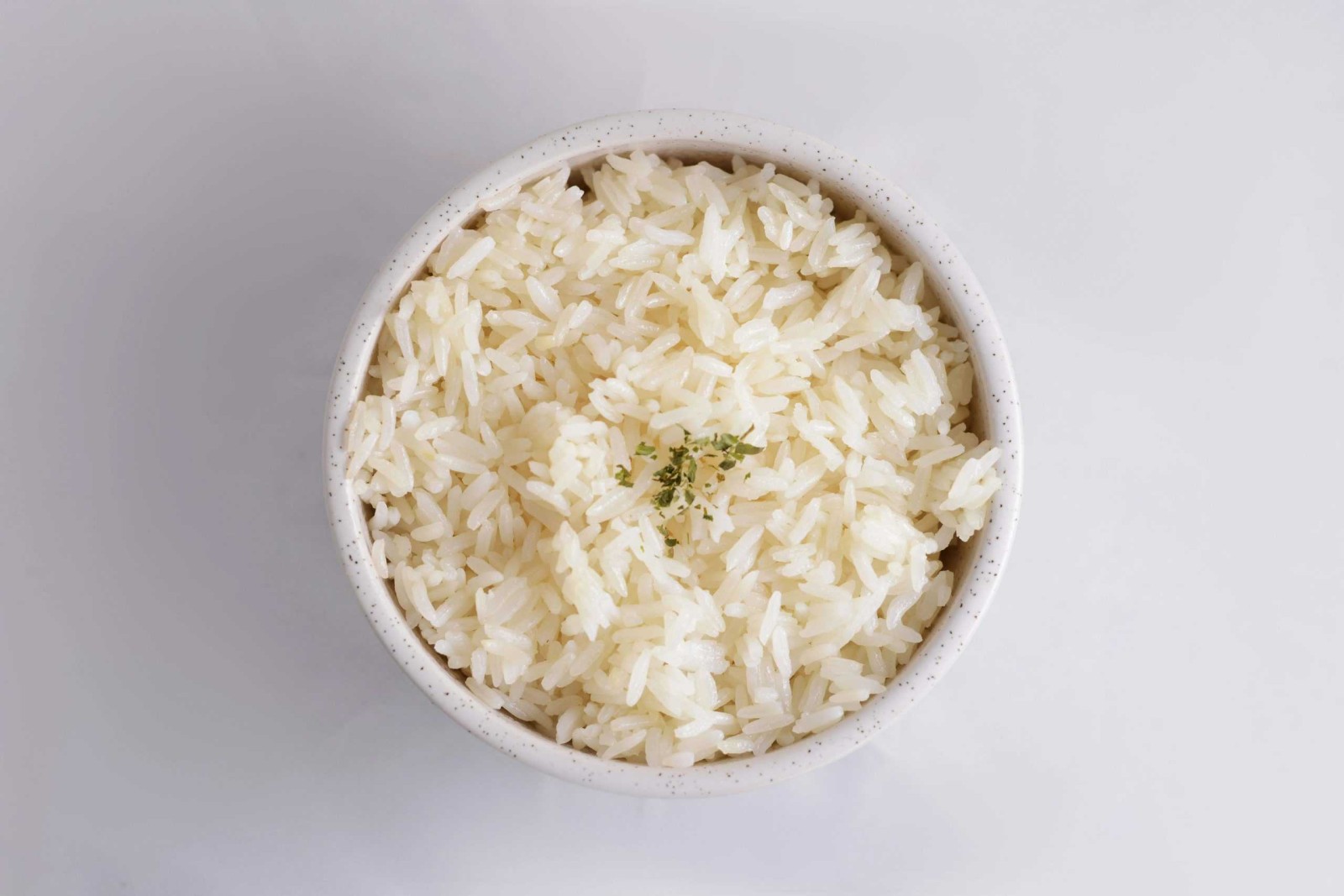
A quick look at the Philippine food staple often getting a bad health rap