
How to Make your Brand Stand Out
Being a newbie in any industry is tough, most especially in the cutthroat world of food and bever-ag...

CITEM advises all exhibitors, buyers, suppliers, service providers, partners, stakeholders, and the public to remain vigilant against unauthorized individuals, groups, or third-party entities falsely claiming to represent CITEM and its official programs and events.
These unauthorized communications may be sent through email, calls, SMS/text messages, social media, messaging applications, websites, or other digital channels. They may involve the alleged selling, distribution, or unauthorized access to CITEM data, databases, or contact lists. They may also involve solicitations, donation requests, sponsorship offers, payment instructions, or other monetary requests using the name of CITEM, its officials, personnel, events, or partners.
Please be reminded:
Official CITEM communications are sent only through verified official channels and corporate email domains, including @citem.com.ph.
CITEM does not authorize any individual, third-party entity, or unofficial representative to sell, distribute, share, or provide access to its official data, databases, contact lists, or stakeholder information.
CITEM does not authorize donations, sponsorship payments, direct fund transfers, e-wallet payments, or other monetary transactions through personal accounts or unofficial channels.
Do not click links, download attachments, reply, provide information, or make payments in response to suspicious communications.
If you receive any suspicious communication claiming to be connected with CITEM, please verify directly with your official project focal point or through CITEM’s official communication channels.
Thank you for your continued cooperation and vigilance.
Center for International Trade Expositions and Missions
October 01, 2026
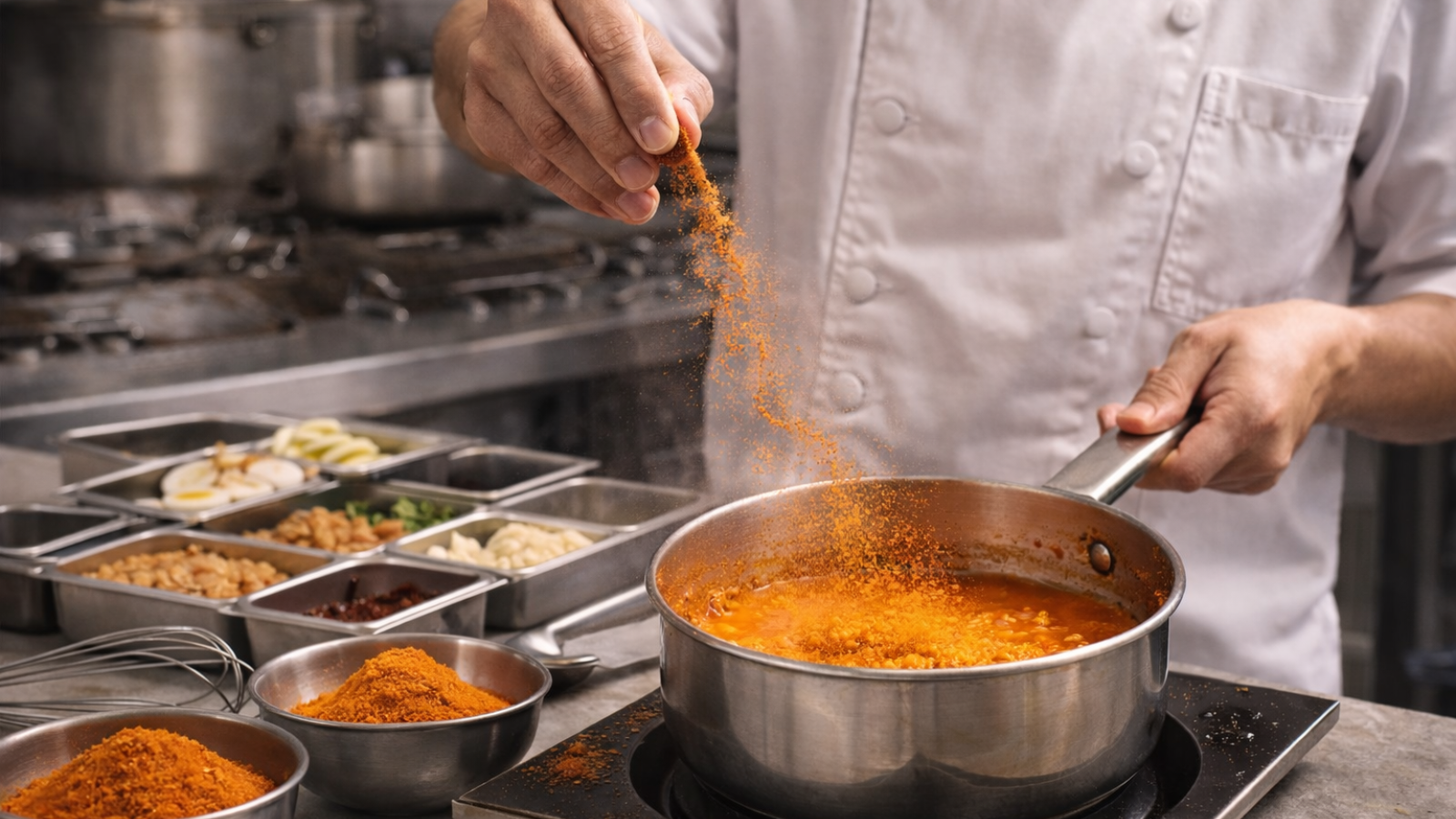
Unlocking iconic archipelago tastes for international pantries, these smart culinary shortcuts bring traditional comfort food to kitchens worldwide.
Filipino cuisine is a masterclass in the balance of linamnam—a local term that describes a deep, multi-dimensional savoriness. Unlike many of its neighbors, the Philippine palate is often defined by its use of souring agents to cut through rich, savory proteins. It is a flavor profile that is both vibrant and demanding, traditionally built on the specific acidity of tamarind (sampalok), the floral tartness of guava (bayabas), or the sharp, citrusy punch of calamansi.
For the millions of Filipinos living overseas, however, this creates a distinct "flavor gap." Fresh tropical acids simply do not travel well; their fragile shelf life and seasonal nature make flavor consistency nearly impossible to maintain in international supermarkets or kitchens. When the precise tartness of a Philippine summer is missing, a dish often loses its soul.
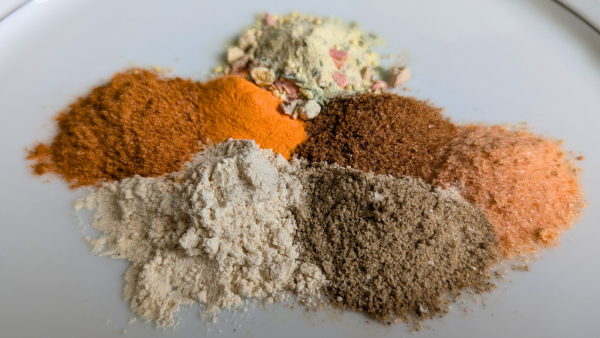
A colorful blend of savory powder mixes that comes together to capture Filipino taste in a pouch. Image by Tripples.
To bridge this divide, Filipino manufacturers are bringing traditional Filipino flavors to more consumers by offering seasoning powders in convenient packaging. These Philippine seasoning mixes stabilize these distinct flavors, ensuring the taste of the islands can be replicated anywhere in the world without compromise.
The primary barrier to the global expansion of Filipino food has never been a lack of interest—it has been a lack of accessibility. Traditional recipes often require hours of labor and ingredients that are virtually impossible to find fresh in temperate climates.
Philippine seasoning mixes help address this "sourcing struggle" by offering a practical alternative to fresh, hard-to-find ingredients. They offer a long shelf life and reduced shipping costs, all while ensuring flavor consistency. These packets represent a smart solution: the ability to transport the aromas of a tropical kitchen across oceans in a lightweight, stable, and cost-efficient format. By removing the logistical issues of heritage cooking, these mixes are not just convenience items; they are the keys to unlocking the next great global food trend.
At IFEX Philippines, a specialized group of manufacturers is leading the charge in culinary standardization. These innovators provide the consistency and convenience required to bring Filipino flavors into the global mainstream.
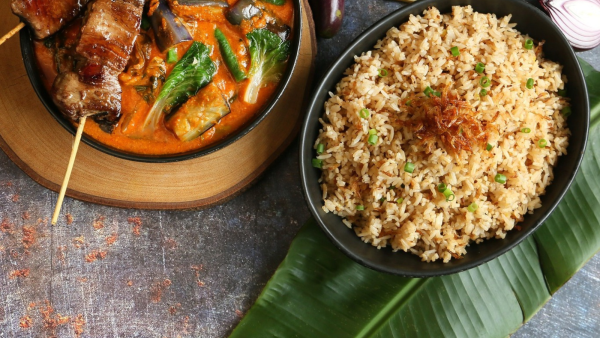
The classic flavors of kare-kare using Mama Sita’s Kare-Kare Mix. Image by Mama Sita’s Recipe.
Whether you are a restaurant owner looking for consistency or a retailer seeking the next big ethnic food trend, the Philippines offers a packet for every palate. As global market data points to a surging appetite for convenient, functional, and hyper-regional food bases, Philippine producers are uniquely positioned with internationally compliant solutions that slash prep time without sacrificing flavor integrity. It is an industry built on culinary authenticity, optimized for the global supply chain.
Discover more innovations and connect with these manufacturers at IFEXConnect, the ultimate online marketplace for sourcing premier, world-class Filipino food products.
*****
Banner caption: Quick palabok seasoning mix with cornstarch, spices, and seafood flavors that create an authentic sauce. Image by Tripples, edited with AI.
Being a newbie in any industry is tough, most especially in the cutthroat world of food and bever-ag...

In April 2020, mountains of surplus broccoli and cauliflower were pictured decaying in the Mountain...

A country renowned for its pristine beaches and infectious hospitality, the Philippines is also the...

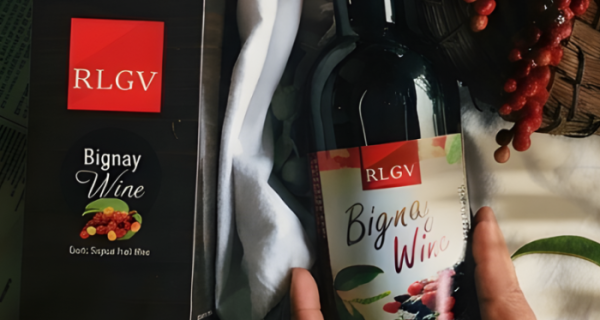
With naturally bright flavors, strong fruit-growing regions, and a growing base of specialty producers, the Philippines offers distinctive possibilities for fruit wines and fermented drinks.
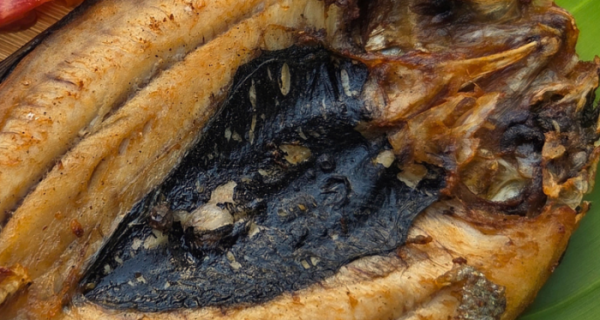
No longer just a local secret, milkfish—famously known as bangus—is quickly stepping into the international culinary spotlight, bringing its incredible versatility to dining tables around the world.
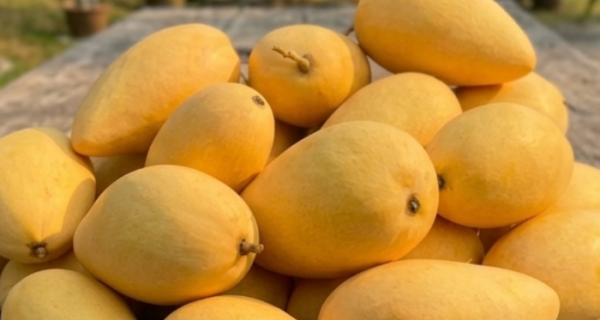
From an iconic, naturally rich sweetness to consistent year-round availability, the country’s signature fruit continuously evolves to meet sophisticated global demand.