
How to Make your Brand Stand Out
Being a newbie in any industry is tough, most especially in the cutthroat world of food and bever-ag...

CITEM advises all exhibitors, buyers, suppliers, service providers, partners, stakeholders, and the public to remain vigilant against unauthorized individuals, groups, or third-party entities falsely claiming to represent CITEM and its official programs and events.
These unauthorized communications may be sent through email, calls, SMS/text messages, social media, messaging applications, websites, or other digital channels. They may involve the alleged selling, distribution, or unauthorized access to CITEM data, databases, or contact lists. They may also involve solicitations, donation requests, sponsorship offers, payment instructions, or other monetary requests using the name of CITEM, its officials, personnel, events, or partners.
Please be reminded:
Official CITEM communications are sent only through verified official channels and corporate email domains, including @citem.com.ph.
CITEM does not authorize any individual, third-party entity, or unofficial representative to sell, distribute, share, or provide access to its official data, databases, contact lists, or stakeholder information.
CITEM does not authorize donations, sponsorship payments, direct fund transfers, e-wallet payments, or other monetary transactions through personal accounts or unofficial channels.
Do not click links, download attachments, reply, provide information, or make payments in response to suspicious communications.
If you receive any suspicious communication claiming to be connected with CITEM, please verify directly with your official project focal point or through CITEM’s official communication channels.
Thank you for your continued cooperation and vigilance.
Center for International Trade Expositions and Missions
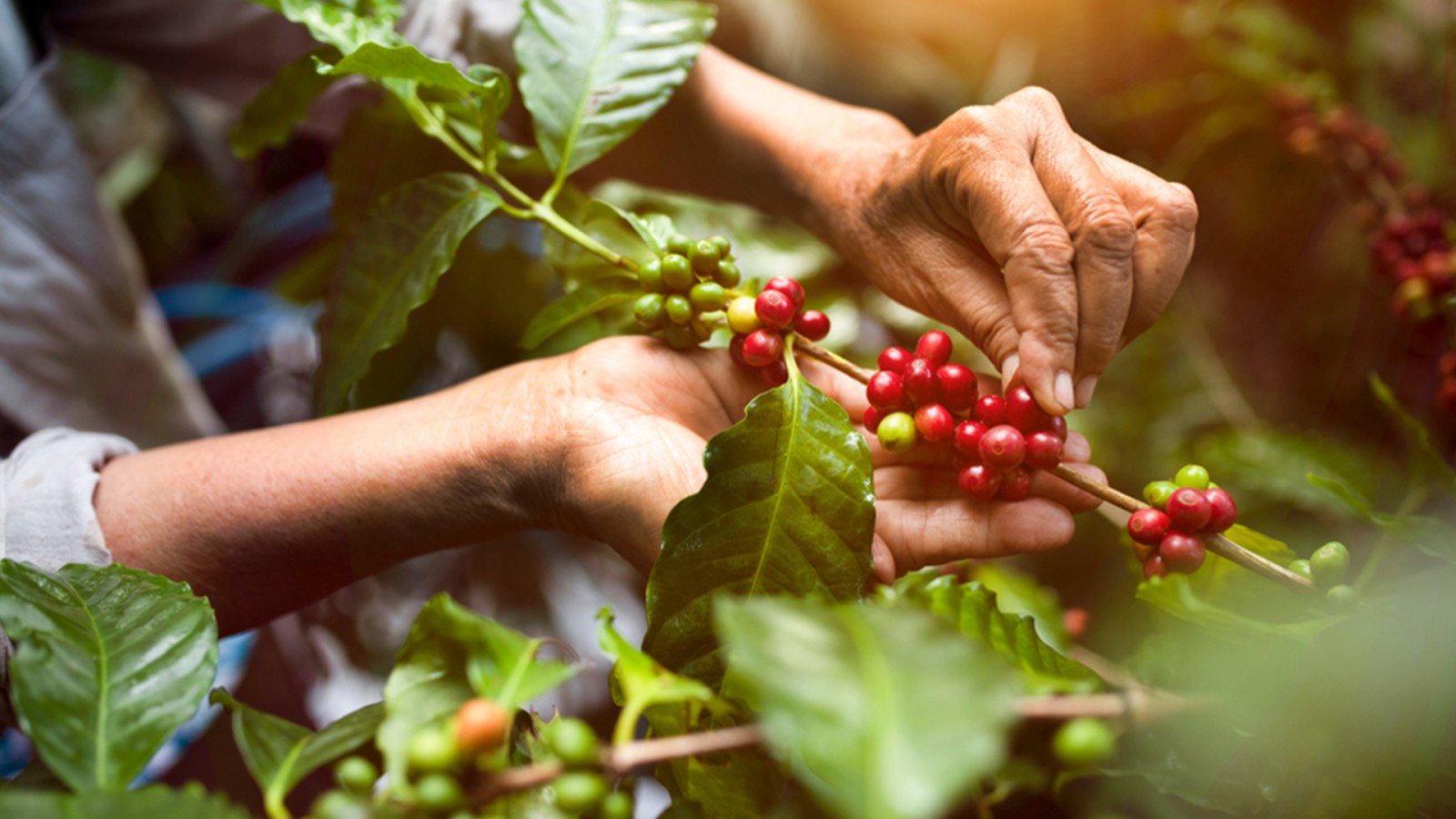
August 10, 2021
If Spain’s top exports include olive oil and pig meat, and India ships tons of basmati rice, what are the prime commodities the Philippines provides to the global marketplace? Here are seven items that are highly regarded and wanted for their distinctive and rare qualities.
Being a newbie in any industry is tough, most especially in the cutthroat world of food and bever-ag...

In April 2020, mountains of surplus broccoli and cauliflower were pictured decaying in the Mountain...
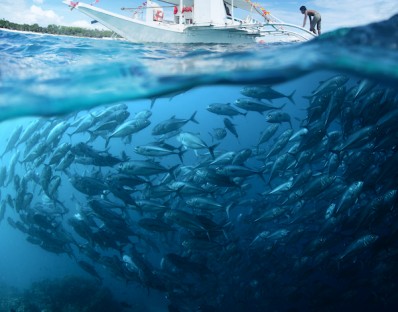
A country renowned for its pristine beaches and infectious hospitality, the Philippines is also the...

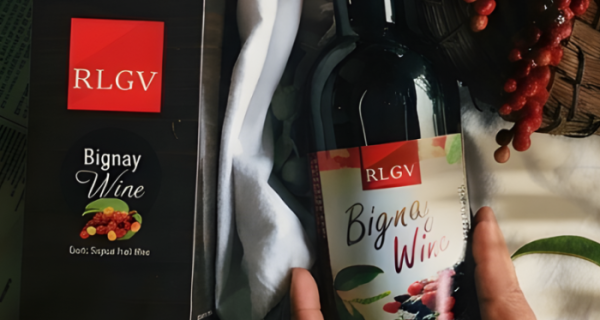
With naturally bright flavors, strong fruit-growing regions, and a growing base of specialty producers, the Philippines offers distinctive possibilities for fruit wines and fermented drinks.
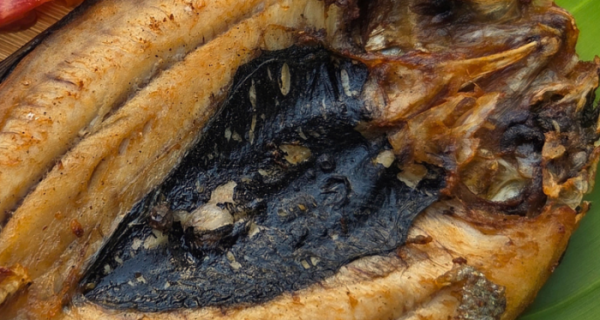
No longer just a local secret, milkfish—famously known as bangus—is quickly stepping into the international culinary spotlight, bringing its incredible versatility to dining tables around the world.
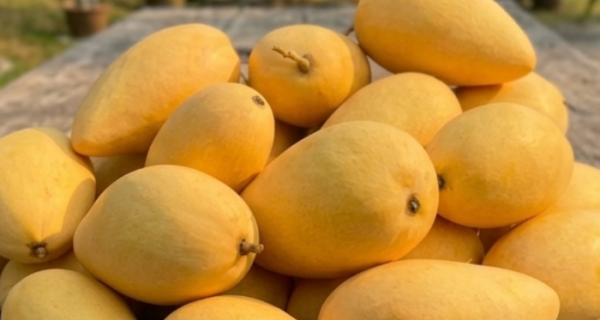
From an iconic, naturally rich sweetness to consistent year-round availability, the country’s signature fruit continuously evolves to meet sophisticated global demand.