


How to Make your Brand Stand Out
Being a newbie in any industry is tough, most especially in the cutthroat world of food and bever-ag...

CITEM advises all exhibitors, buyers, suppliers, service providers, partners, stakeholders, and the public to remain vigilant against unauthorized individuals, groups, or third-party entities falsely claiming to represent CITEM and its official programs and events.
These unauthorized communications may be sent through email, calls, SMS/text messages, social media, messaging applications, websites, or other digital channels. They may involve the alleged selling, distribution, or unauthorized access to CITEM data, databases, or contact lists. They may also involve solicitations, donation requests, sponsorship offers, payment instructions, or other monetary requests using the name of CITEM, its officials, personnel, events, or partners.
Please be reminded:
Official CITEM communications are sent only through verified official channels and corporate email domains, including @citem.com.ph.
CITEM does not authorize any individual, third-party entity, or unofficial representative to sell, distribute, share, or provide access to its official data, databases, contact lists, or stakeholder information.
CITEM does not authorize donations, sponsorship payments, direct fund transfers, e-wallet payments, or other monetary transactions through personal accounts or unofficial channels.
Do not click links, download attachments, reply, provide information, or make payments in response to suspicious communications.
If you receive any suspicious communication claiming to be connected with CITEM, please verify directly with your official project focal point or through CITEM’s official communication channels.
Thank you for your continued cooperation and vigilance.
Center for International Trade Expositions and Missions
July 21, 2026
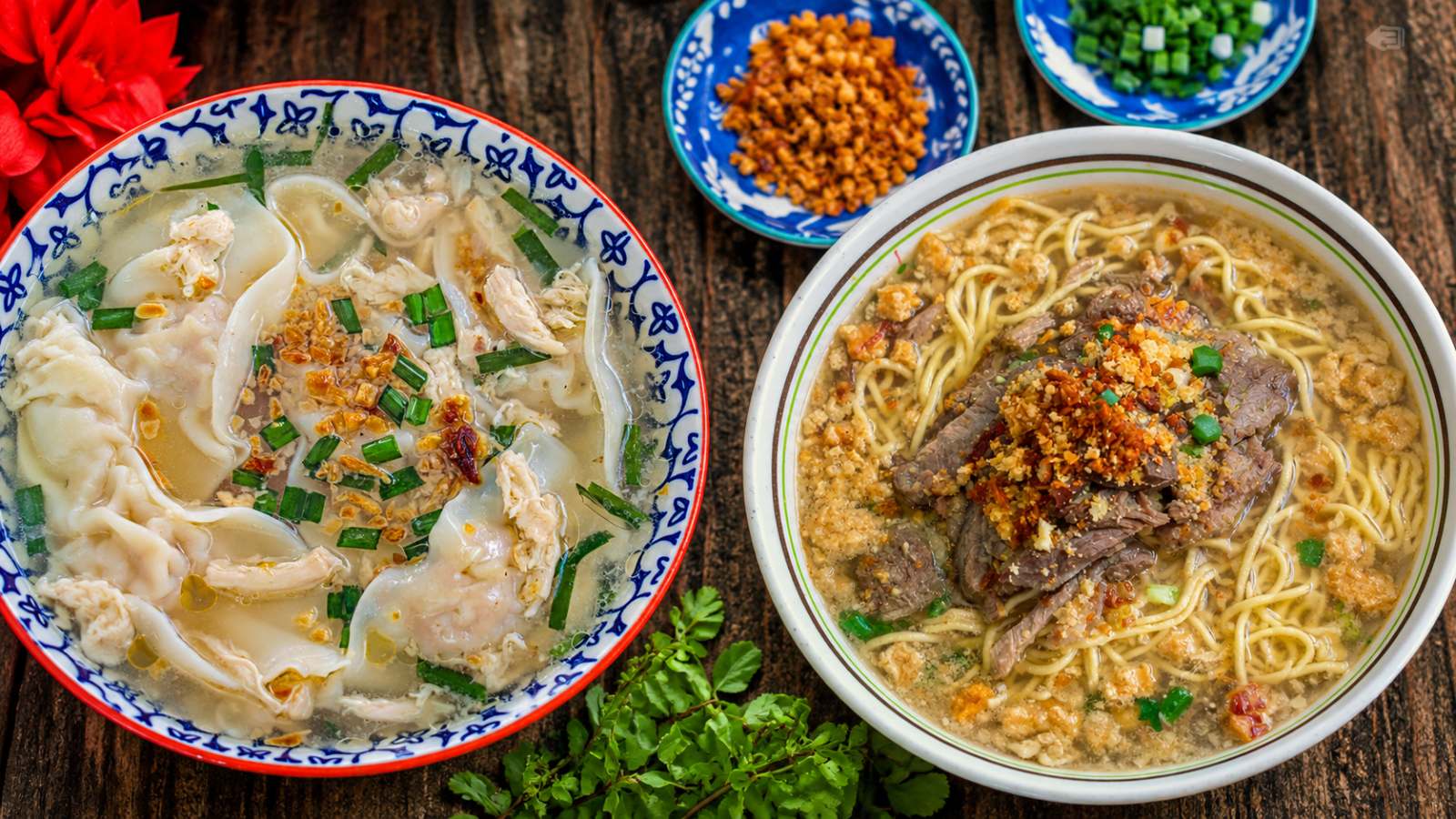
Iloilo’s food culture is often described through its balance of comfort, craft, and locality. Two dishes that continue to reflect this identity are La Paz Batchoy and Pancit Molo, both of which illustrate how place, migration, and everyday dining shaped Iloilo’s distinct food identity.
Iloilo’s food culture is often described through its balance of comfort, craft, and locality. Two dishes that continue to reflect this identity are La Paz Batchoy and Pancit Molo, both of which illustrate how place, migration, and everyday dining shaped Iloilo’s distinct food identity.
While they are often grouped together as Ilonggo favorites, there are two dishes that represent different sides of Iloilo's culinary character. Pancit Molo is a dumpling soup associated with home cooking, Chinese-Filipino influence, and careful preparation. La Paz Batchoy, on the other hand, is a noodle soup rooted in market and eatery culture, known for its rich pork broth, miki noodles, and generous toppings. What connects them is not similarity but shared origin — both are named after districts in Iloilo, and both carry the habits and histories of the communities that made them what they are. Together, they show why Iloilo's cuisine continues to stand out: its dishes are defined not only by flavor, but by place, technique, and the way food is shared in everyday life.
That culinary identity has earned international recognition: in 2023, Iloilo was designated a UNESCO Creative City of Gastronomy, joining a global network of cities celebrated for the role food plays in their culture, economy, and community life. It is a distinction that Pancit Molo and La Paz Batchoy in their own quiet, unglamorous way helped build.
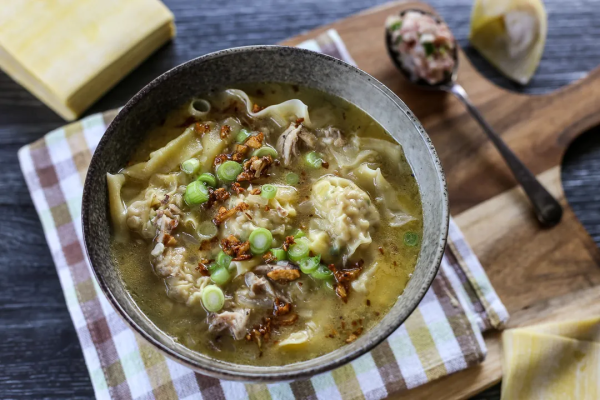
Pancit Molo traces its name to Molo, a district in Iloilo known for its old houses, churches, and long-standing Chinese-Filipino presence. The use of the term pancit (typically associated with noodles) may come from its Chinese roots, where wheat-based wrappers and dumplings are part of the same culinary tradition as noodles. In Pancit Molo, the dumpling wrappers take the place of noodles, preserving the name while evolving the form.
The dish reflects the influence of Chinese wonton soup, adapted into the Ilonggo kitchen through local ingredients and family cooking traditions. The broth is usually clear but flavorful, often made with chicken or pork and finished with shredded chicken, toasted garlic, spring onions, and sometimes extra dumpling wrappers cut into strips. The result is a soup that feels light, but is still filling.
What gives Pancit Molo its value is the work behind it. The dumplings are typically assembled one by one, making the dish closely associated with home preparation, gatherings, and special occasions. It is practical in terms of using simple, accessible ingredients, enough to serve as a meal, but detailed enough to carry a sense of care and occasion.
Its appeal lies in this balance. The broth provides warmth and familiarity, while the dumplings give the dish texture and substance. For many Ilonggo households, Pancit Molo is not simply a soup, but a dish that reflects patience, family preparation, and the blending of local and Chinese culinary influences.
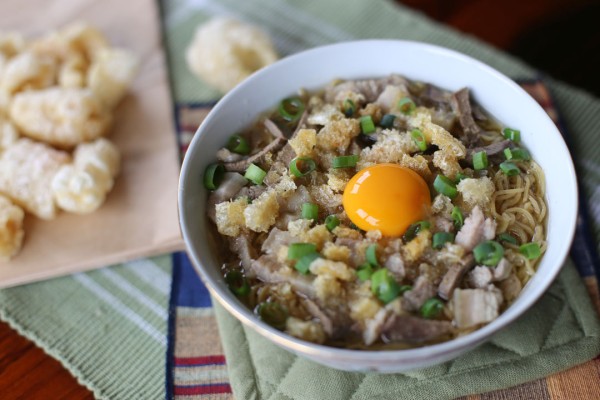
If Pancit Molo is associated with the home, La Paz Batchoy is closely tied to the public food culture of Iloilo. The dish takes its name from La Paz, the district where it became widely known through eateries and market stalls. It is a noodle soup built for appetite: rich, savory, and layered with texture.
A bowl of La Paz Batchoy usually begins with miki (fresh egg noodles commonly used in Filipino soup dishes) noodles in a pork-based broth. It is then topped with slices of pork, liver or other offal, crushed chicharon (crispy pork cracklings made from fried pork skin), toasted garlic, and spring onions. Some versions also include egg, which adds richness to the broth. Each element contributes to the dish’s identity: the chew of the noodles, the depth of the broth, the crunch of pork cracklings, and the aroma of garlic.
What makes La Paz Batchoy distinct is not just its ingredients, but the way they come together. It is hearty without being complicated, flavorful without relying on heavy sauces, and deeply connected to the experience of eating in Iloilo’s local food spaces. A bowl is often served hot, quickly, and generously, making it both a comfort food and a practical meal.
Different shops and families may have their own preferred versions, from richer broths to heavier toppings or firmer noodles. These variations are part of the dish’s continued appeal. La Paz Batchoy has remained recognizable because its foundation is clear, but flexible enough to reflect the style of each maker.
While Pancit Molo and La Paz Batchoy share Iloilo roots, their differences define their brilliance. One is an intimate expression of household heritage and Chinese-Filipino influence, shaped by delicate dumpling-making. The other belongs to the vibrant market scene—a bold, soul-warming masterclass in pork broth and noodle culture.
Through clever adaptation, Iloilo transformed external influences into distinctly local masterpieces. More than mere comfort food, these twin classics connect people to place and memory, proving that even the simplest bowls can carry cultural identity across generations.
Being a newbie in any industry is tough, most especially in the cutthroat world of food and bever-ag...

In April 2020, mountains of surplus broccoli and cauliflower were pictured decaying in the Mountain...

A country renowned for its pristine beaches and infectious hospitality, the Philippines is also the...

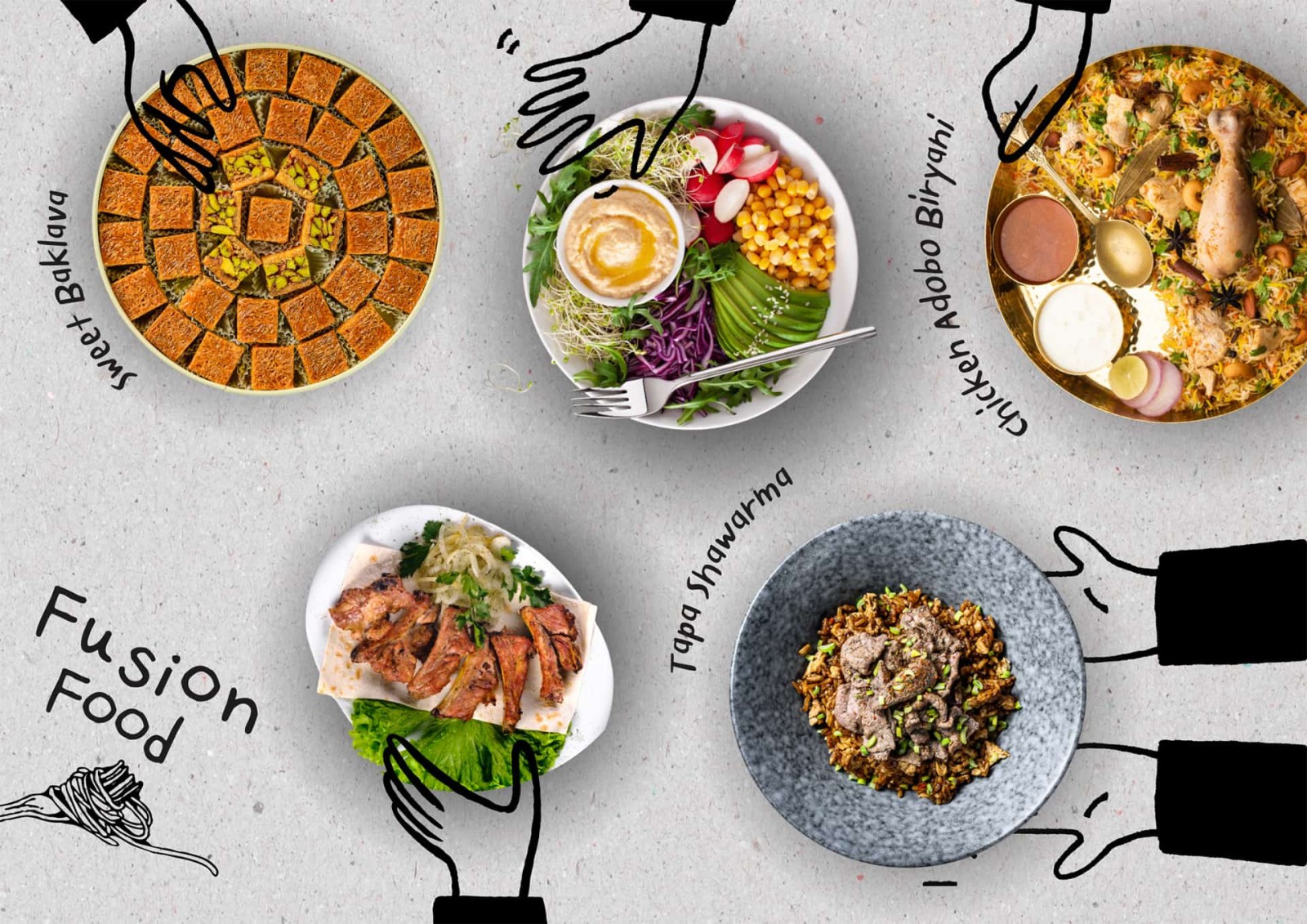
Check out these food fusions between Filipino and Middle Eastern cuisines

The unending quest for healthy and sustainable food amid changing lifestyles
A quick look at the Philippine food staple often getting a bad health rap