
How to Make your Brand Stand Out
Being a newbie in any industry is tough, most especially in the cutthroat world of food and bever-ag...

CITEM advises all exhibitors, buyers, suppliers, service providers, partners, stakeholders, and the public to remain vigilant against unauthorized individuals, groups, or third-party entities falsely claiming to represent CITEM and its official programs and events.
These unauthorized communications may be sent through email, calls, SMS/text messages, social media, messaging applications, websites, or other digital channels. They may involve the alleged selling, distribution, or unauthorized access to CITEM data, databases, or contact lists. They may also involve solicitations, donation requests, sponsorship offers, payment instructions, or other monetary requests using the name of CITEM, its officials, personnel, events, or partners.
Please be reminded:
Official CITEM communications are sent only through verified official channels and corporate email domains, including @citem.com.ph.
CITEM does not authorize any individual, third-party entity, or unofficial representative to sell, distribute, share, or provide access to its official data, databases, contact lists, or stakeholder information.
CITEM does not authorize donations, sponsorship payments, direct fund transfers, e-wallet payments, or other monetary transactions through personal accounts or unofficial channels.
Do not click links, download attachments, reply, provide information, or make payments in response to suspicious communications.
If you receive any suspicious communication claiming to be connected with CITEM, please verify directly with your official project focal point or through CITEM’s official communication channels.
Thank you for your continued cooperation and vigilance.
Center for International Trade Expositions and Missions
July 22, 2026
Strong fishing grounds, integrated processing hubs, and globalized quality systems shape the country’s role in supplying international tuna markets.
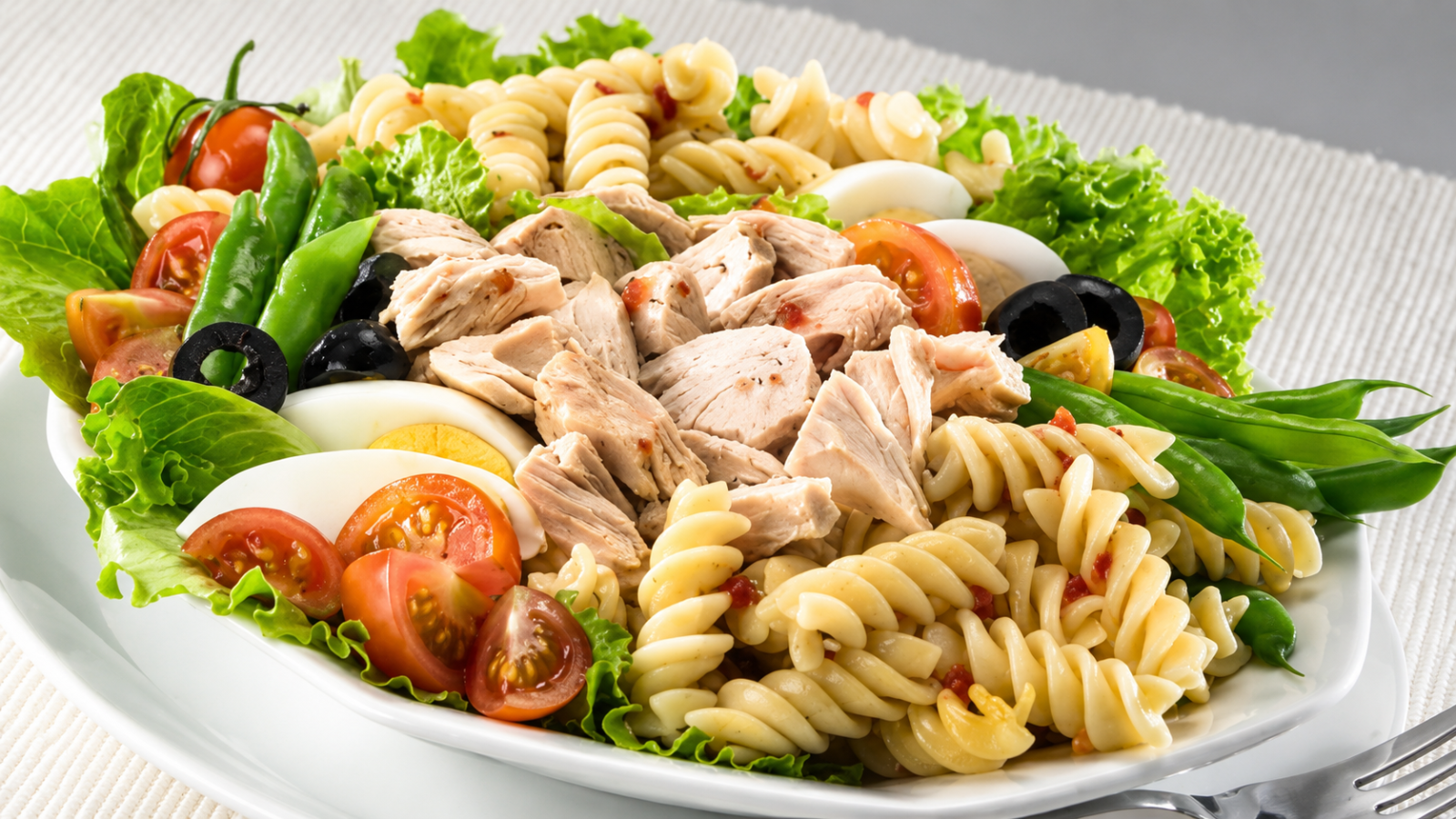
From Japanese sushi bars to home pantries, tuna is everywhere. It is the Swiss Army knife of seafood, whether fresh, dried, flaked, canned, or raw. And it is not just about taste. Tuna is a nutritional powerhouse, rich in protein, omega-3 fatty acids, and vitamins that support heart health and brain function. It is no wonder then that tuna is a favorite among health-conscious consumers worldwide. Tuna is among the most traded seafood commodities in the world — and one of the most commercially competitive. For the Philippines, that global appetite translates directly into export opportunity.
The Philippines participates actively in this global supply chain, supported by established marine ecosystems and a developed processing sector. Data from the National Fisheries Research and Development Institute's (NFRDI) 18th Philippine Tuna Statistics (Ptunastat) shows that production reached over 201,000 metric tons in 2024, while the United Nations Comtrade database indicates that the Philippines exports over 70 million kilograms of tuna annually across canned, frozen, and fresh product categories.
In addition, the Philippines is also consistently ranked among the top global exporters of processed tuna, particularly in canned formats, based on international trade data from the International Trade Centre (ITC) Trade Map, which tracks global export performance by product category. In 2024, Philippine tuna reached major markets including Japan, the United States, Spain, Germany, and the Netherlands, reflecting the country's established role in global seafood supply chains, according to World Integrated Trade Solution (WITS) data. This scale is anchored in key fishing corridors that connect directly to processing and export hubs.
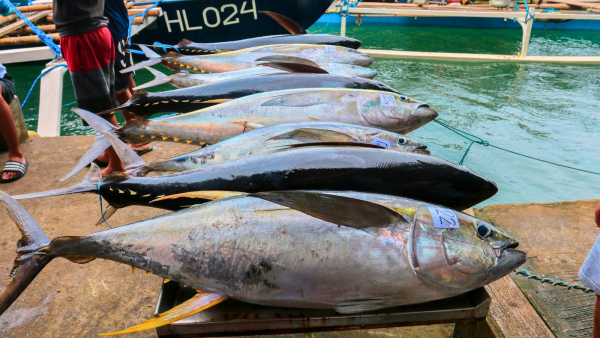
Freshly landed tuna sorted at the coastal port of Borongan City Public Market in Eastern Samar. Beyond their size and quality, these premium, sashimi-grade tuna support fisherfolk livelihoods, ensure food on local tables, and sustain the steady flow of fresh seafood across domestic and export markets. Photo credit: Bureau of Fisheries and Aquatic Resources Region 8
Major tuna harvesting areas include the Sulu Sea, Moro Gulf, and waters bordering the Celebes Sea, alongside productive zones in the Bicol Region, Samar, Palawan, Mindoro, and Davao. These areas support both municipal and commercial fishing operations, forming the backbone of national supply that feeds into processing clusters.
General Santos City, located in Region XII, functions as the country’s primary tuna processing hub, with large-scale canneries and export facilities that consolidate raw catch into fresh, frozen, and canned products. Its proximity to major fishing grounds enables efficient landing-to-processing turnaround, supporting both domestic distribution and export requirements.
Tuna trade is increasingly shaped by compliance frameworks, sustainability benchmarks, and supply reliability rather than volume alone. Export markets require adherence to systems, such as HACCP certification, vessel monitoring, and documented chain-of-custody processes, alongside stable pricing and year-round availability.
Product innovation is also expanding, with Philippine companies introducing premium canned variants, flavored tuna products, and ready-to-eat formats designed for both retail and food service applications. These developments align with shifting global demand for convenience products that maintain nutritional value and sourcing transparency.
The Philippine tuna sector continues to evolve through companies that integrate scale with stricter quality systems and export-oriented production standards. Mega Fishing Corporation, through its Mega Tuna brand, emphasizes freshness preservation through its “12-Hour Catching to Canning” system, designed to reduce spoilage and maintain product integrity while aligning with clean-label expectations.
Century Pacific Food Inc. operates one of the country’s largest canned seafood portfolios, including Century Tuna and 555. The company continues to expand its sustainability and traceability initiatives, reflecting growing requirements in international procurement markets for responsible sourcing and documented supply chains.
As Philippine tuna continues to strengthen its position in international markets, platforms such as IFEX Philippines provide a venue where producers can present both their products and their operational capabilities. Through structured engagements, suppliers connect with buyers across retail, food service, and distribution channels, allowing discussions to move beyond product sampling into long-term sourcing considerations. In this setting, Philippine tuna is evaluated not only for its quality, but also for its consistency, traceability, and readiness for scale.
Being a newbie in any industry is tough, most especially in the cutthroat world of food and bever-ag...

In April 2020, mountains of surplus broccoli and cauliflower were pictured decaying in the Mountain...
A country renowned for its pristine beaches and infectious hospitality, the Philippines is also the...

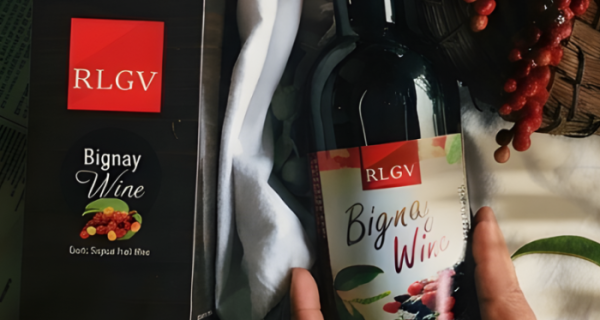
With naturally bright flavors, strong fruit-growing regions, and a growing base of specialty producers, the Philippines offers distinctive possibilities for fruit wines and fermented drinks.
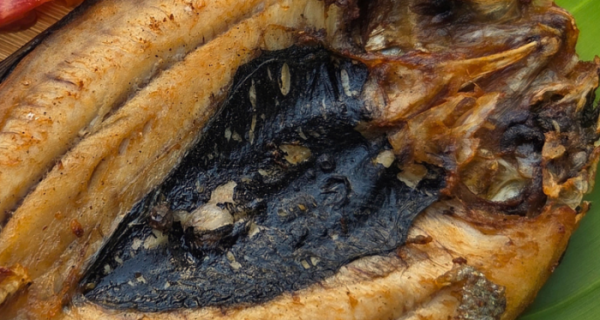
No longer just a local secret, milkfish—famously known as bangus—is quickly stepping into the international culinary spotlight, bringing its incredible versatility to dining tables around the world.
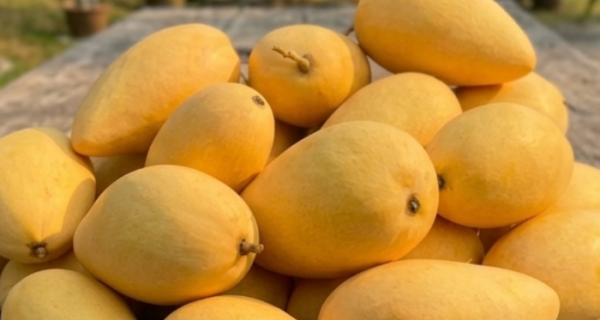
From an iconic, naturally rich sweetness to consistent year-round availability, the country’s signature fruit continuously evolves to meet sophisticated global demand.