
How to Make your Brand Stand Out
Being a newbie in any industry is tough, most especially in the cutthroat world of food and bever-ag...

CITEM advises all exhibitors, buyers, suppliers, service providers, partners, stakeholders, and the public to remain vigilant against unauthorized individuals, groups, or third-party entities falsely claiming to represent CITEM and its official programs and events.
These unauthorized communications may be sent through email, calls, SMS/text messages, social media, messaging applications, websites, or other digital channels. They may involve the alleged selling, distribution, or unauthorized access to CITEM data, databases, or contact lists. They may also involve solicitations, donation requests, sponsorship offers, payment instructions, or other monetary requests using the name of CITEM, its officials, personnel, events, or partners.
Please be reminded:
Official CITEM communications are sent only through verified official channels and corporate email domains, including @citem.com.ph.
CITEM does not authorize any individual, third-party entity, or unofficial representative to sell, distribute, share, or provide access to its official data, databases, contact lists, or stakeholder information.
CITEM does not authorize donations, sponsorship payments, direct fund transfers, e-wallet payments, or other monetary transactions through personal accounts or unofficial channels.
Do not click links, download attachments, reply, provide information, or make payments in response to suspicious communications.
If you receive any suspicious communication claiming to be connected with CITEM, please verify directly with your official project focal point or through CITEM’s official communication channels.
Thank you for your continued cooperation and vigilance.
Center for International Trade Expositions and Missions
September 30, 2026
Enzymes are at work in every fruit on every farm in the world. What sets Philippine producers apart is how they have learned to work with that natural chemistry — transforming seasonal harvests into beverages, snacks, preserves, and ingredients that travel farther, last longer, and land on shelves abroad.
Bite into a ripe Philippine mango and the flavor is immediate — dense, floral, almost honeyed, with an acidity that keeps it bright rather than cloying. That experience does not happen by accident. It is the result of a growing environment shaped by volcanic soil, year-round sun, and the particular chemistry of tropical fruit as it moves from green to ripe.
In trade settings, flavor alone is not enough. Buyers evaluate consistency, shelf stability, and versatility — whether a mango purée tastes the same batch after batch, whether dried pineapple retains its sweetness and chew, or whether a juice maintains balance from production to pour.
This is the space where Philippine producers are making real gains.
The country is already a recognized agricultural force, exporting bananas, pineapples, and tuna at scale. But the opportunity ahead lies in processed fruit formats — purées, concentrates, dried snacks, jams, frozen cuts, and juices — where natural flavor can be captured at peak and delivered into markets that fresh produce can never reach.
According to the TradeInt’s Philippines HS 20 export database, the Philippines exported USD 342.1 million worth of processed fruit, vegetable, and nut products from January to May 2005, and shipped primarily to United States (US$151.78 million), followed by China (US$40.98 million), the United Kingdom (US$20.56 million), Japan (US$17.70 million), and South Korea (US$17.32 million).
The science behind every ripe fruit
A fruit does not stop changing after it is picked. Invisible to the eye but very much at work, enzymes continue driving the processes of ripening, softening, and transformation long after harvest. This is not unique to tropical produce — it happens to an apple in a warehouse in Washington State, a peach in a Spanish orchard, a kiwifruit en route from New Zealand. Enzymatic activity is simply the language fruit speaks as it ages.
What these enzymes do, in plain terms, is break things down and build things up. Cell walls soften. Starches convert to sugars. Aromatic compounds develop. The firm, tart fruit of early harvest becomes the tender, fragrant, sweet one that consumers actually want to eat.
For many Philippine tropical fruits, warm conditions can accelerate respiration, enzymatic activity, and ripening after harvest, making careful temperature management and handling especially important. As the fruit ripens, these biochemical changes shape sweetness, acidity, aroma, color, and texture, while continued activity can eventually lead to softening and quality deterioration.
How processing preserves character
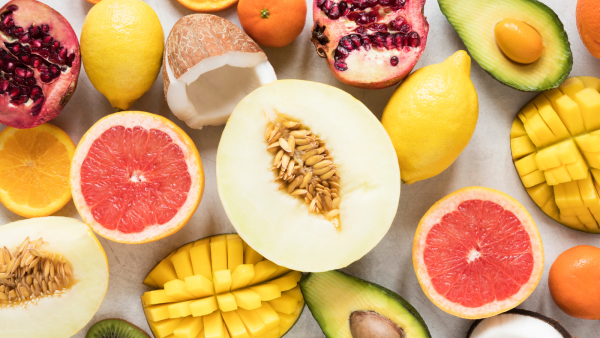
Fruit Enzyme 101: Natural fruit activity shapes sweetness, texture, aroma, and product quality—helping Philippine producers turn fresh harvests into export-ready food innovations. Photo credit: Magnific.
The question for any producer working with tropical fruit is the same: how do you bottle that flavor? How do you take something that tastes extraordinary at its best — that specific sweetness of a Carabao mango at full ripeness, the sharp brightness of calamansi, the fibrous chew of pineapple — and preserve it in a form that can survive a supply chain?
For micro, small, and medium enterprises — the producers most represented at Philippine trade events — this shift from fresh to processed is not just a logistics choice. It is a business model. Seasonal harvests become year-round product lines. Fruit that might otherwise lose value mid-supply chain becomes dried mango strips heading to South Korea, pineapple concentrate destined for a European beverage manufacturer, or calamansi syrup landing on a cocktail menu in Dubai.
Held in May 2026, IFEX Philippines welcomed nearly 20,000 visitors and buyers from around the world and generated an estimated US$80.16 million in export sales, highlighting strong global demand for the country's food exports. More than 550 exhibitors showcased thousands of tropical food products and ingredients during the event.
Process innovation as the differentiator
As global demand shifts toward minimally processed, naturally flavorful, and functionally interesting ingredients, the argument for Philippine tropical fruit grows stronger, but only if the products can meet the consistency that international buyers expect.
That is where process innovation matters most. A buyer evaluating a mango purée is not just tasting it once — they are assessing whether it will perform the same way across every shipment: same color, same viscosity, same balance of sweetness and acid, batch after batch. They want color stability, defined viscosity, predictable acidity. Achieving that requires producers who understand their raw material, who know how their fruit behaves at different ripeness stages, how its enzyme activity affects texture under different processing conditions, and how to manage those variables across batches.
The Department of Agriculture has identified 12 high-value crops for intensified promotion in global markets, including mango, pineapple, calamansi, durian, and banana — all of which carry strong processed-product potential and benefit directly from this kind of technical precision.
Producers who understand how enzyme activity shapes the finished product, how softening affects texture in dried formats, how heat treatment needs to be calibrated to preserve flavor while ensuring food safety, are better positioned to offer something that import markets reliably buy again.
Where flavor meets trade
At IFEX Philippines, this translation from harvest to market becomes visible. Fruit-based products move beyond fresh harvests into formats designed for real commercial use: juices and concentrates developed for food manufacturers, dried snacks calibrated for international retail, frozen and preserved formats ready for HoReCa applications.
Philippine producers showing up with these products are not just selling ingredients. They are offering something more specific: the character of Philippine tropical fruit, its particular sweetness, its acidity, its aroma, carried with precision into formats that global buyers can actually work with.
That combination of natural quality and processing know-how is what positions the Philippines not merely as a raw material supplier, but as a source of market-ready tropical flavors built for the way the world eats now.
Discover more Philippine fruit products and food innovations at IFEXconnect.com.
Banner Image Caption:
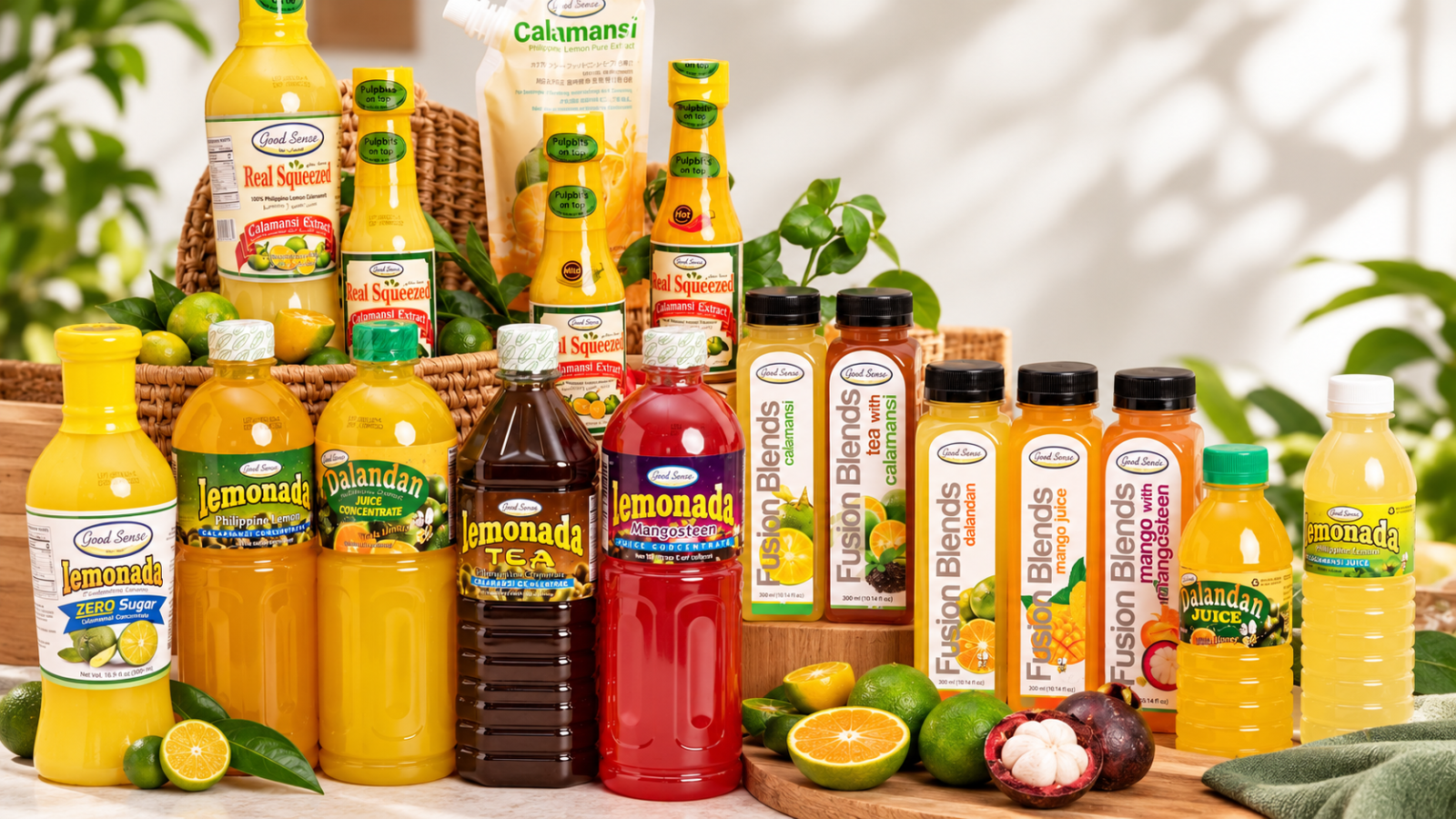
From fruit to bottle, natural enzymes play a quiet role in shaping flavor and texture—helping juices deliver consistency and balance. Photo credit: Good Sense Fruit Juices.
Being a newbie in any industry is tough, most especially in the cutthroat world of food and bever-ag...
In April 2020, mountains of surplus broccoli and cauliflower were pictured decaying in the Mountain...

A country renowned for its pristine beaches and infectious hospitality, the Philippines is also the...

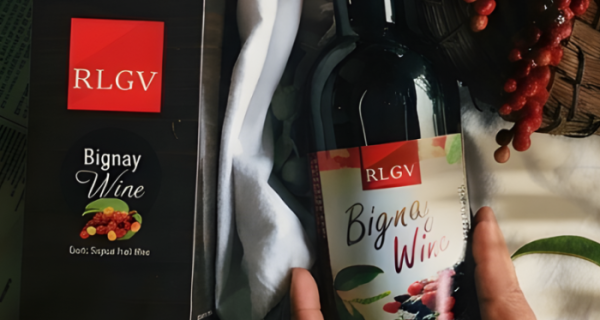
With naturally bright flavors, strong fruit-growing regions, and a growing base of specialty producers, the Philippines offers distinctive possibilities for fruit wines and fermented drinks.
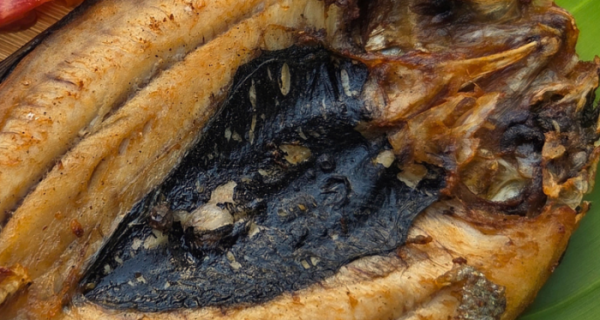
No longer just a local secret, milkfish—famously known as bangus—is quickly stepping into the international culinary spotlight, bringing its incredible versatility to dining tables around the world.
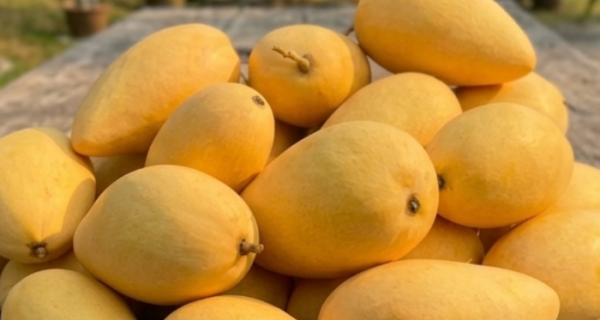
From an iconic, naturally rich sweetness to consistent year-round availability, the country’s signature fruit continuously evolves to meet sophisticated global demand.