
How to Make your Brand Stand Out
Being a newbie in any industry is tough, most especially in the cutthroat world of food and bever-ag...

CITEM advises all exhibitors, buyers, suppliers, service providers, partners, stakeholders, and the public to remain vigilant against unauthorized individuals, groups, or third-party entities falsely claiming to represent CITEM and its official programs and events.
These unauthorized communications may be sent through email, calls, SMS/text messages, social media, messaging applications, websites, or other digital channels. They may involve the alleged selling, distribution, or unauthorized access to CITEM data, databases, or contact lists. They may also involve solicitations, donation requests, sponsorship offers, payment instructions, or other monetary requests using the name of CITEM, its officials, personnel, events, or partners.
Please be reminded:
Official CITEM communications are sent only through verified official channels and corporate email domains, including @citem.com.ph.
CITEM does not authorize any individual, third-party entity, or unofficial representative to sell, distribute, share, or provide access to its official data, databases, contact lists, or stakeholder information.
CITEM does not authorize donations, sponsorship payments, direct fund transfers, e-wallet payments, or other monetary transactions through personal accounts or unofficial channels.
Do not click links, download attachments, reply, provide information, or make payments in response to suspicious communications.
If you receive any suspicious communication claiming to be connected with CITEM, please verify directly with your official project focal point or through CITEM’s official communication channels.
Thank you for your continued cooperation and vigilance.
Center for International Trade Expositions and Missions
September 25, 2026
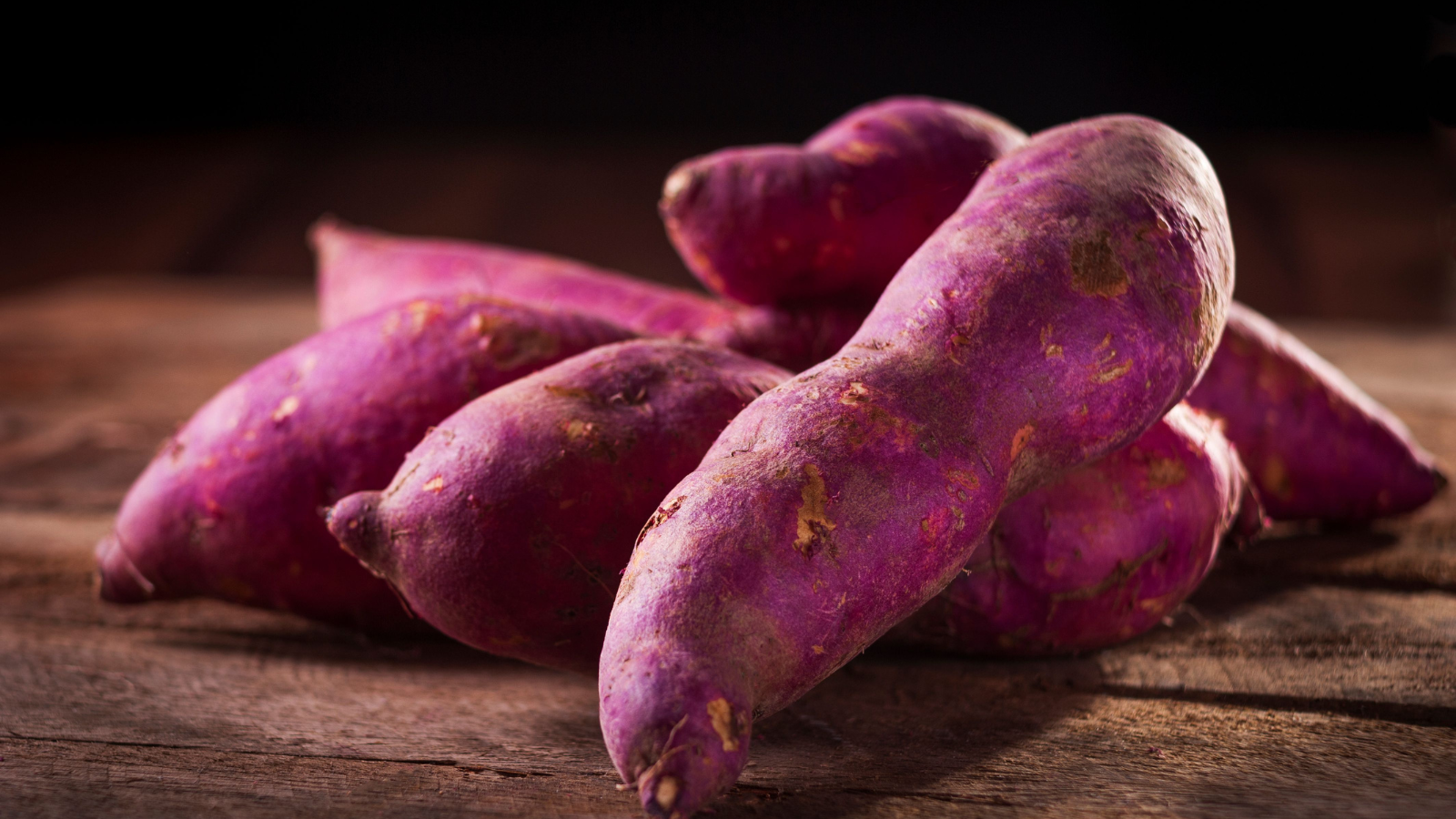
Food innovators in the Philippines are unlocking global supply chain value in the resilient kamote, turning a rustic root crop into scalable, high-value ingredients for international food brands.
Sweet potato has long been part of everyday food culture in the Philippines. Known locally as kamote, it is commonly boiled, fried, roasted, or turned into snacks and desserts. For many Filipino households, it is a practical and affordable crop: filling, naturally sweet, and easy to prepare.
Today, that familiarity is gaining new market relevance. As consumers look for plant-based, gluten-free, and nutrient-dense ingredients, sweet potato offers food producers a crop that is both recognizable and adaptable. Its bright color, soft texture when cooked, and natural sweetness make it useful well beyond the boiled and fried forms it has always taken. Although Philippine sweet potato has yet to dominate global exports, these same qualities, paired with its ability to work in both sweet and savory applications, give it real potential for product development.
Globally, demand for gluten-free and plant-based food products continues to shape how manufacturers develop snacks, baked goods, and convenience foods. The gluten-free food market, for example, was valued at US$6.64 billion in 2024 and is projected to reach US$14.12 billion by 2033, according to the Gluten Free Food Market Report.
Sweet potato fits naturally into this space. It is naturally gluten-free and contains fiber, vitamin A, B6, and C, and it is easy to translate into formats consumers already know. Sweet potato flour can anchor baked goods and dry mixes, chips can serve the snack aisle, and cooked or frozen formats can move into ready meals, side dishes, and foodservice menus.
In countries such as Japan and South Korea, sweet potato has long been enjoyed as a snack and comfort food. For the Philippines, the opportunity is to build on a similar familiarity while developing more value-added formats that can appeal to both local consumers and overseas buyers looking for root crop-based products.
According to the Philippine Statistics Authority, the Philippines produced approximately 523,290 metric tons of sweet potato in 2023. More recent PSA data cited by DOST-PCAARRD show that, as of 2025, Eastern Visayas was the country’s leading sweet potato-producing region, followed by Central Luzon and Caraga.
This production base does not automatically translate into large export volumes, but it shows that the crop is widely grown and available for further product development.
Philippine sweet potato has already reached select overseas markets, though still at modest levels. In 2024, the Philippines exported US$34,900 worth of fresh and dried sweet potatoes, primarily to Qatar at US$13,800 and Bahrain at US$10,100, according to the Observatory of Economic Complexity. The figures are modest, but they mark a real, if early, foothold in international trade.
Expanding from this foothold into broader retail and foodservice channels will depend on consistent supply, stronger packaging, and product positioning that speaks clearly to what makes Philippine sweet potato distinct.
In the Philippines, kamote has always been more than a backup crop. It is eaten boiled for breakfast or enjoyed as snacks, whether fried as kamote cue, baked into desserts, or processed into chips. Its appeal comes from its natural sweetness, soft and creamy texture when cooked, and ability to absorb both sweet and savory flavors.
These qualities make sweet potatoes especially useful for value-added products. As flour, it can be used in baking and gluten-free mixes. In ready-to-cook formats, it can be used in soups, fillings, side dishes, and as standalone meals. As a snack, sweet potato can be used in place of the regular potato that can be flavored with spices, herbs, or savory seasonings.
It is adaptable enough for buyers looking for plant-based, naturally colorful food products.
The distinction between a freshly harvested kamote and a finished product on a retail shelf is where most of the market value is actually created. Processing extends shelf life, enables consistent quality, and opens doors that raw root crops cannot reach.
In Moncada, Tarlac, sweet potatoes have carried this kind of value for over two decades. After volcanic lahar from Mount Pinatubo reshaped the town's soil into terrain well suited for root crops, Moncada pitched kamote as its One Town, One Product (OTOP) entry to the Department of Trade and Industry (DTI) in 2003. That designation gave the local government a reason to organize and train a group of women in food processing, and the results are still sold today: sweet potato chips, crunchies, polvoron, buchi, and a sweet potato beverage, all developed under Moncada's OTOP program.
The Philippine Root Crop Research and Training Center (PhilRootcrops) at Visayas State University has established a comprehensive technical foundation for root crop processing. Its developed technologies include sweet potato flour, processed mixes, and value-added products such as chips and fries. By transforming raw sweet potatoes into shelf-stable ingredients and consumer products, PhilRootcrops provides local processors and agricultural enterprises with developed processing technologies and product concepts that can support commercialization beyond raw tubers.
At the commercial level, small producers are already packaging kamote for broader audiences. Chibi Kamote Chips is one example: a small-batch brand made from 100% locally sourced sweet potato, cooked in organic coconut oil, and sold through Philippine specialty food retailers. With no artificial additives and local sourcing front and center, it shows how the crop can be positioned as a clean-label snack.
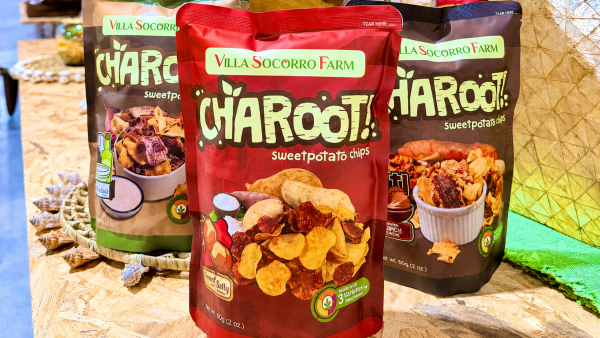
Villa Socorro Farm's kamote chips, the result of two years of variety research to identify the best-performing types, tell a similar story. The brand's partner-farmers grow kamote alongside their banana plantations, turning a sideline crop into a second source of income, and pack the same deliberateness into a finished product that buyers increasingly expect from this category.
These are not large-scale export operations. But they are the kind of products — documented, packaged, positioned — that give buyers something concrete to evaluate. Platforms such as IFEX Philippines give producers working at this scale a place to step into trade conversations, test buyer response, and build the kind of market relationships that gradual export growth depends on.
Given the Philippines’ currently modest exports of fresh and dried sweet potatoes, value-added processing and stronger product positioning may offer additional avenues for market development. What producers from Moncada's women's groups to small-batch commercial brands are building is a foundation: documented products, traceable sourcing, and a track record buyers can assess. Programs that invest in product development, paired with platforms like IFEX Philippines that let producers test their products against global standards, give local suppliers the tools to do more than grow a crop. With sustained product development and market access support, sweet potato can create additional livelihood opportunities and reach higher-value retail and trade channels.
***
Banner image courtesy of Marcelo Verfe on Pexels
Being a newbie in any industry is tough, most especially in the cutthroat world of food and bever-ag...

In April 2020, mountains of surplus broccoli and cauliflower were pictured decaying in the Mountain...

A country renowned for its pristine beaches and infectious hospitality, the Philippines is also the...

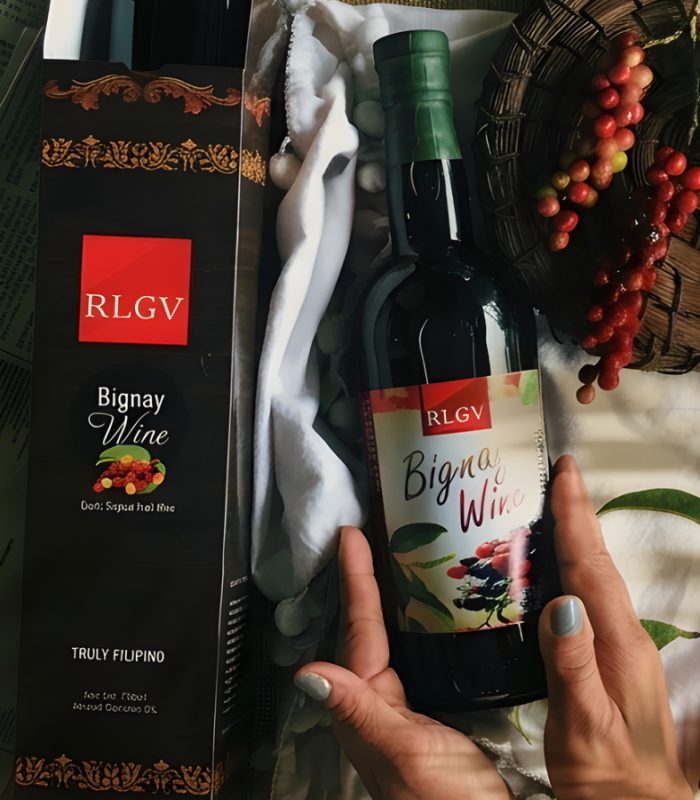
With naturally bright flavors, strong fruit-growing regions, and a growing base of specialty producers, the Philippines offers distinctive possibilities for fruit wines and fermented drinks.
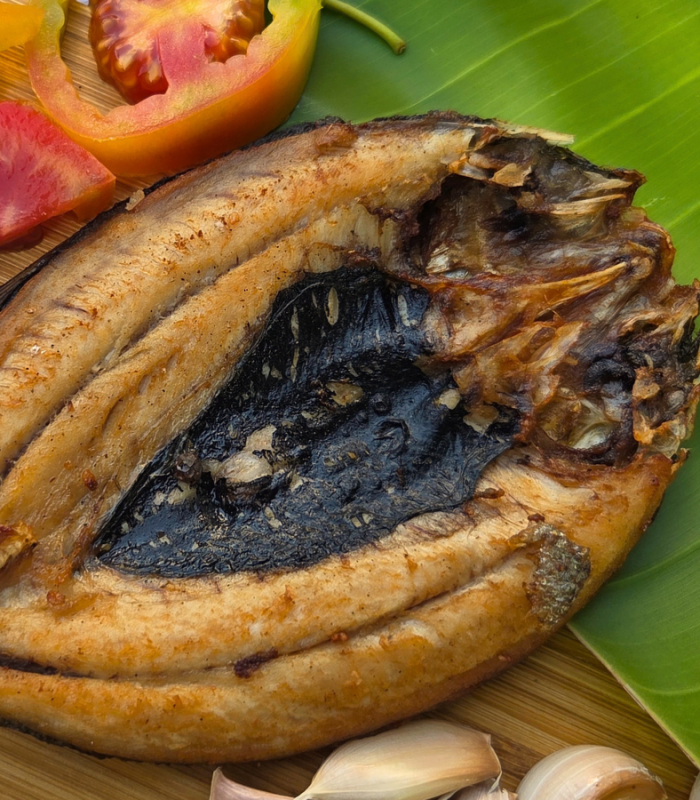
No longer just a local secret, milkfish—famously known as bangus—is quickly stepping into the international culinary spotlight, bringing its incredible versatility to dining tables around the world.
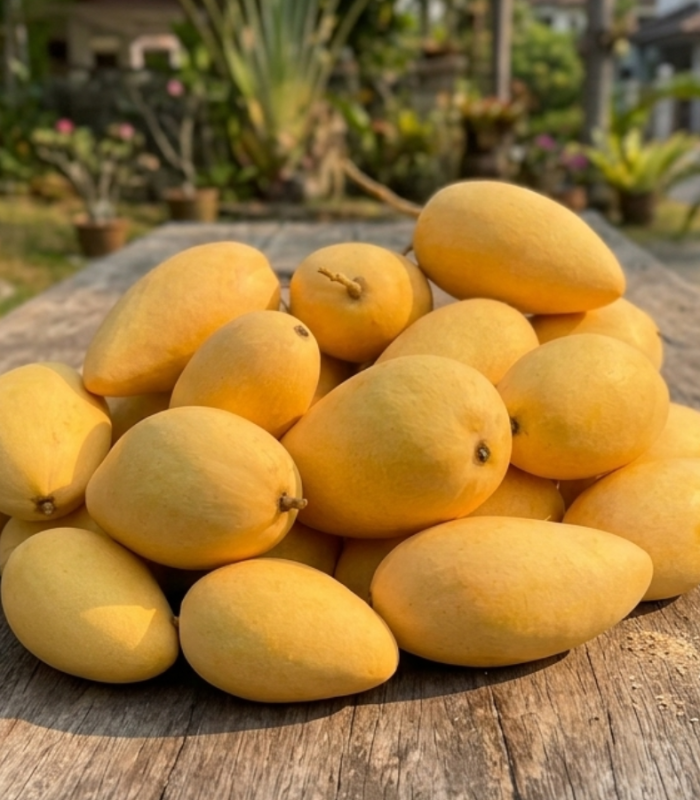
From an iconic, naturally rich sweetness to consistent year-round availability, the country’s signature fruit continuously evolves to meet sophisticated global demand.