
How to Make your Brand Stand Out
Being a newbie in any industry is tough, most especially in the cutthroat world of food and bever-ag...
April 08, 2026
How local ingenuity and artisanal expertise are driving a premium, health-centered movement across the entire value chain.
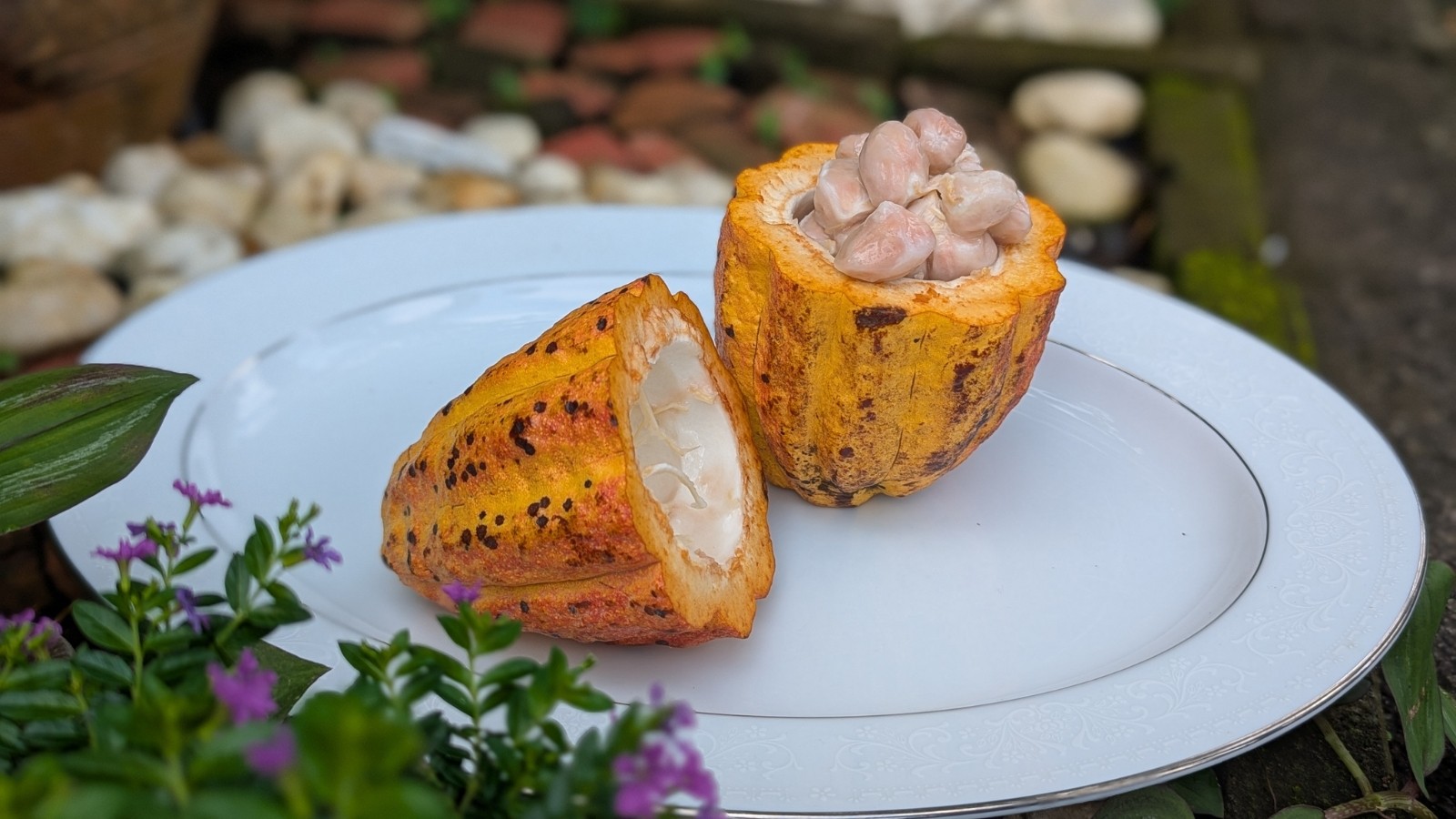
Many of today’s Filipino chocolatiers continue to elevate the country’s prized cacao by ensuring that they source their beans from sustainable and ethical farms, preserving local heritage by championing homegrown cacao varieties, and offering a wide array of healthy and enjoyable product portfolios. These enterprises showcase their creations to the world through active participation in local and international trade fairs like IFEX Philippines, where international trade buyers can source the best food, beverage, and tropical ingredients for global markets.
In the Philippines, cacao remains a prized commodity. The Philippines produced an average of 10,308 metric tons of cacao from 2020-2024, about 44 percent higher than the average output of 7,153 metric tons recorded from 2015 to 2019, based on Philippine Statistics Authority (PSA) data. The Philippines also exported US$9.88 million worth of chocolate and cocoa-based products in 2024, 32 percent higher than the US$7.5 million recorded in 2023, according to PSA.
Filipino cacao growers and artisanal chocolatiers - from the Cordilleras to Mindanao - have found their niche in the world cacao market by producing products that use cacao beans from their respective regions, allowing them to take advantage of the global demand by offering single-origin cacao-based items.
Baguio-based Kokomo Cordillera Chocolate, which launched a few years ago, has become popular by championing and preserving its region’s heritage cacao and chocolate. Its first product was traditional cacao chips, quite similar to tablea (pure cocoa tablet) but more soluble and easier to use while maintaining its status as a gourmet and specialty food.
From cacao chips, Kokomo now produces a range of artisanal single-origin chocolate products in varying flavors and depth, as well as limited edition items like mango sticky rice containing local cocoa butter.
As Kokomo puts it, single-origin tasting is not just chocolate; it is geography in your mouth.
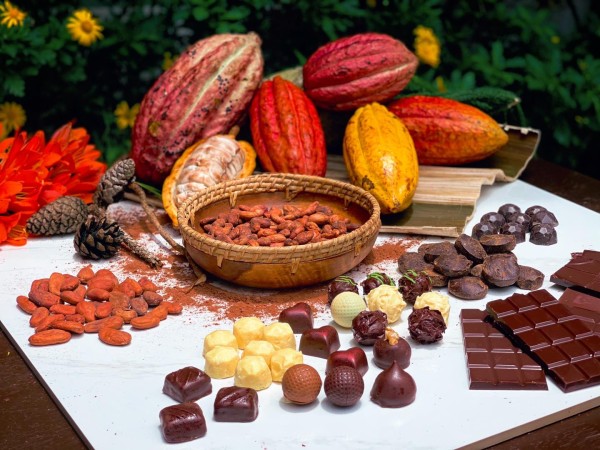
Another homegrown chocolatier in Cordillera is the Dulche Chocolate House, home to various chocolate-based products, such as bars, cookies, almond sticks, fudges, and many more. Dulche prides itself in sourcing beans from sustainable cacao farms in Tuba, Benguet, to create various snacks and ready-to-eat food products that are truly functional and nutraceutical. Dulche Chocolate notes that its cacao products are packed with antioxidant and anti-inflammatory materials that may help lessen the risk of diseases, help improve one's skin, lower blood pressure, improve blood flow, and increase insulin sensitivity.
Dulche’s chocolates have reached Hong Kong, the United States (US), South Korea, and Canada, giving foreign consumers a bite of Cordillera cacao products.
Another artisanal chocolatier that has been making waves in the global chocolate market is Theo and Philo. Among the pioneering artisanal chocolatiers in the country, the homegrown Filipino chocolate brand is now available in Germany, the Netherlands, Japan, the US, and Taiwan, spotlighting the indigenous flavor of its products that use cacao from Davao in Mindanao. The product line includes chocolate bars, drinks, chocolate mango, spreads, nuts, and treats.
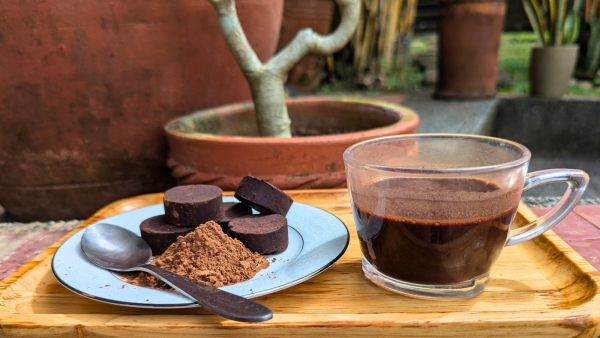
Likewise, SaBroso Tsokolate's all-natural tablea has hit various shelves in Japan, Spain, and the US. SaBroso's products, with the cacao being sourced from the small island of Camiguin, boast a wide array of characteristics that help it cater to a wide range of customers.
Its prized product, the tablea, is unsweetened, vegan, keto-friendly, and gluten-free, and does not have artificial coloring nor preservatives and additives. It is also a non-GMO (genetically modified organism) product. SaBroso also offers cacao nibs, drinks, liquors, powder, butter, beans, and bars with a premium dairy mix.
Catch these homegrown chocolatiers and more at the 19th edition of IFEX Philippines from May 21 to 23, 2026 at the World Trade Center Metro Manila in Pasay City, Philippines. Stay connected with IFEXConnect to explore more export-ready products and B2B possibilities with food MSMEs.
***
Banner caption: Cacao remains one of the prized commodities in the Philippines, exporting almost US $9.88 million worth of chocolate and cocoa-based products in 2024, based on Philippine Statistics Authority (PSA) data.
Being a newbie in any industry is tough, most especially in the cutthroat world of food and bever-ag...
In April 2020, mountains of surplus broccoli and cauliflower were pictured decaying in the Mountain...
A country renowned for its pristine beaches and infectious hospitality, the Philippines is also the...

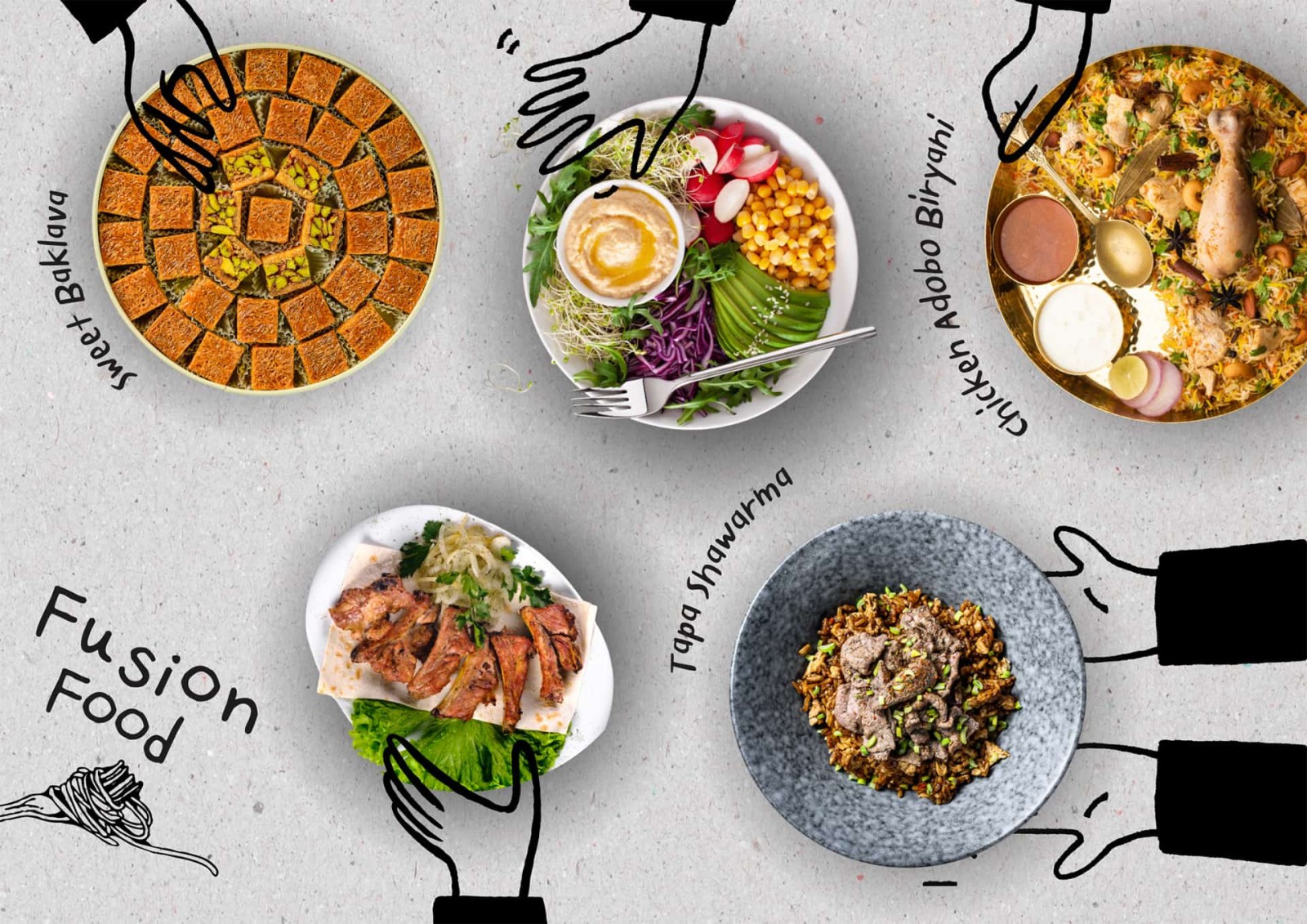
Check out these food fusions between Filipino and Middle Eastern cuisines
The unending quest for healthy and sustainable food amid changing lifestyles
A quick look at the Philippine food staple often getting a bad health rap