
How to Make your Brand Stand Out
Being a newbie in any industry is tough, most especially in the cutthroat world of food and bever-ag...
April 28, 2026
From fertile mountain slopes to top-tier nourishment outlets, these golden roots are more than kitchen staples.
In the ever-changing conversation about healthy living and sustainable food choices, the spotlight often falls on familiar ingredients getting rediscovered for their quiet brilliance. For many Filipino homes, these treasures include ginger (luya) and turmeric (luyang dilaw).
These roots, earthly in flavor and golden in hue, have seasoned countless Filipino dishes and soothed generations of families through homemade teas, broths, and tonics. Long before modern nutritionists took notice, they were already an integral part of the daily rhythm of Filipino life, pounded in stone mortars, steeped in boiling water, or mixed into meals for both aromatic flavor and powerful healing. For generations, a warm cup of salabat (ginger tea) has been a popular home remedy for soothing a sore throat or calming an upset stomach, and luyang dilaw is popular for its antiseptic properties for treating wounds and insect bites.
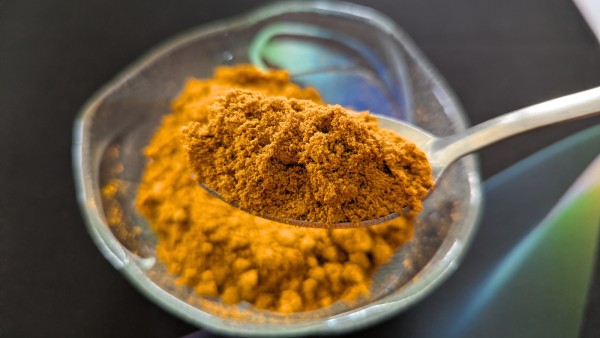
Ginger and turmeric have always had a place in Filipino kitchens. They are the kind of ingredients most Filipinos do not really think about — they have always been accessible. A ginger brew in the morning, a slice dropped into tinola (Filipino chicken soup dish) for that gentle spice, or turmeric added to a stew to give it warmth and color. They are small rituals that have quietly shaped how we eat and take care of ourselves.
Now, around the world, more people are looking for food that not only tastes good, but also does good. This has opened a path for Filipino producers to share what they have always known, which is that simple, natural ingredients can carry both flavor and function.
Today, Philippine entrepreneurs are moving beyond raw harvesting and into the value-added space, creating convenient, shelf-stable products that meet global demand. Companies like Zigmund Enterprises and Tropical Palm Herb Manufacturing produce ginger and turmeric concentrates, herbal drinks, and ready-to-consume brews designed for health-conscious consumers worldwide.
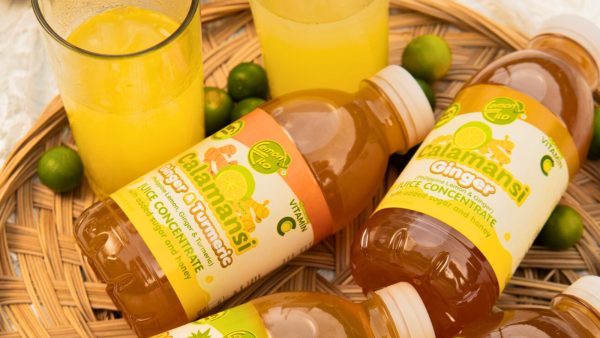
These innovations allow global buyers to source items that combine natural potency with Filipino craftsmanship, proof that tradition and creativity can work hand in hand.
A golden future for Philippine spices
Beyond convenience, the Philippines has natural advantages that strengthen its position in the global spice market. The country’s rich soil and tropical climate help nurture the strong flavor and high extract content of ginger and turmeric. The Imugan variety, grown in the highlands of Nueva Vizcaya, stands out for its intense aroma and heat, which makes it prized by industrial processors and often preferred over standard Hawaiian or Chinese varieties.
In May 2025, the Department of Agriculture (DA) formally designated Nueva Vizcaya as the country’s “Ginger Capital,” citing the 7,140 metric tons harvested from 933 hectares, and its key role of supplying major trading hubs in Luzon and Metro Manila.
Domestic demand is steady, and international interest is rising. In 2023, the export value of Philippine turmeric to the United States surged by 385% year-on-year, signaling that global markets are actively seeking high-quality sources outside the usual suppliers such as India, which currently accounts for the vast majority of the world’s supply, and Vietnam, a dominant force in the spice trade in Southeast Asia.
What began as backyard farming and community-based processing is now becoming part of a sophisticated global supply chain. As more consumers embrace natural wellness, the Philippines is well-positioned to step forward, offering ginger and turmeric that are not only flavorful and functional, but deeply ‘rooted’ in Filipino life.
***
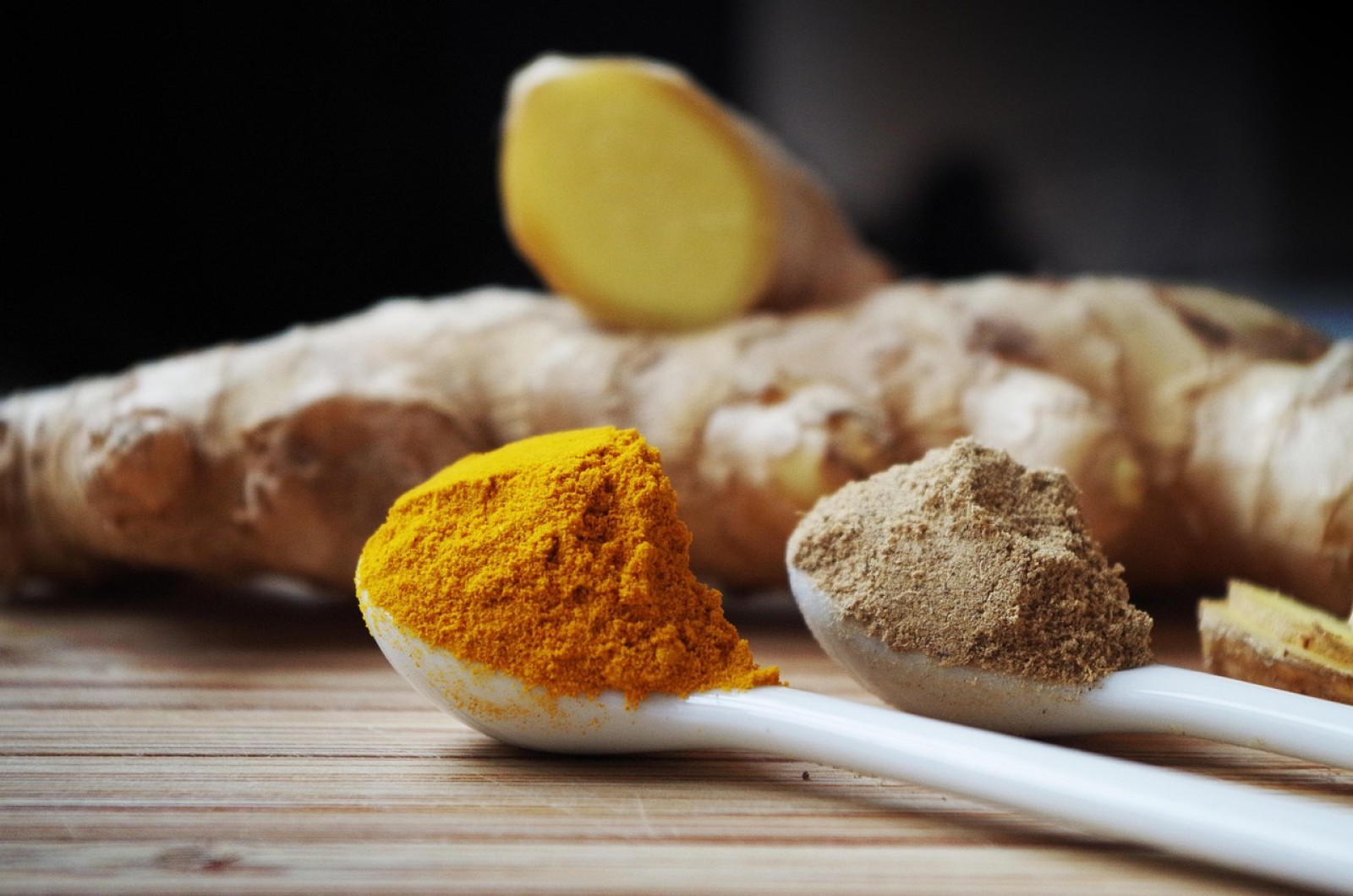
Banner caption: From root to powder, turmeric and ginger bring both flavor and wellness to every dish. Photo credit: Ajale via Pixabay.
Being a newbie in any industry is tough, most especially in the cutthroat world of food and bever-ag...
In April 2020, mountains of surplus broccoli and cauliflower were pictured decaying in the Mountain...

A country renowned for its pristine beaches and infectious hospitality, the Philippines is also the...

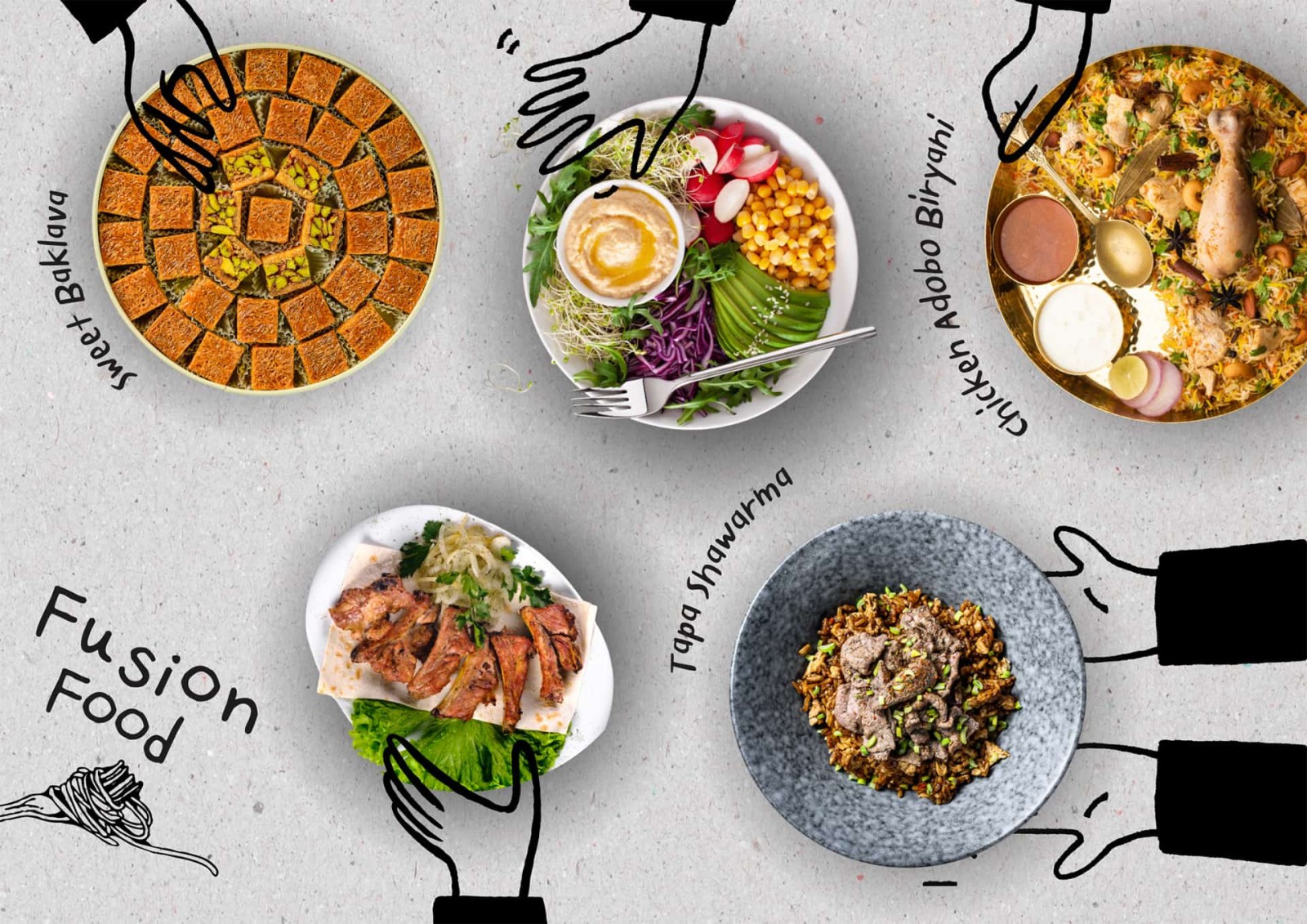
Check out these food fusions between Filipino and Middle Eastern cuisines
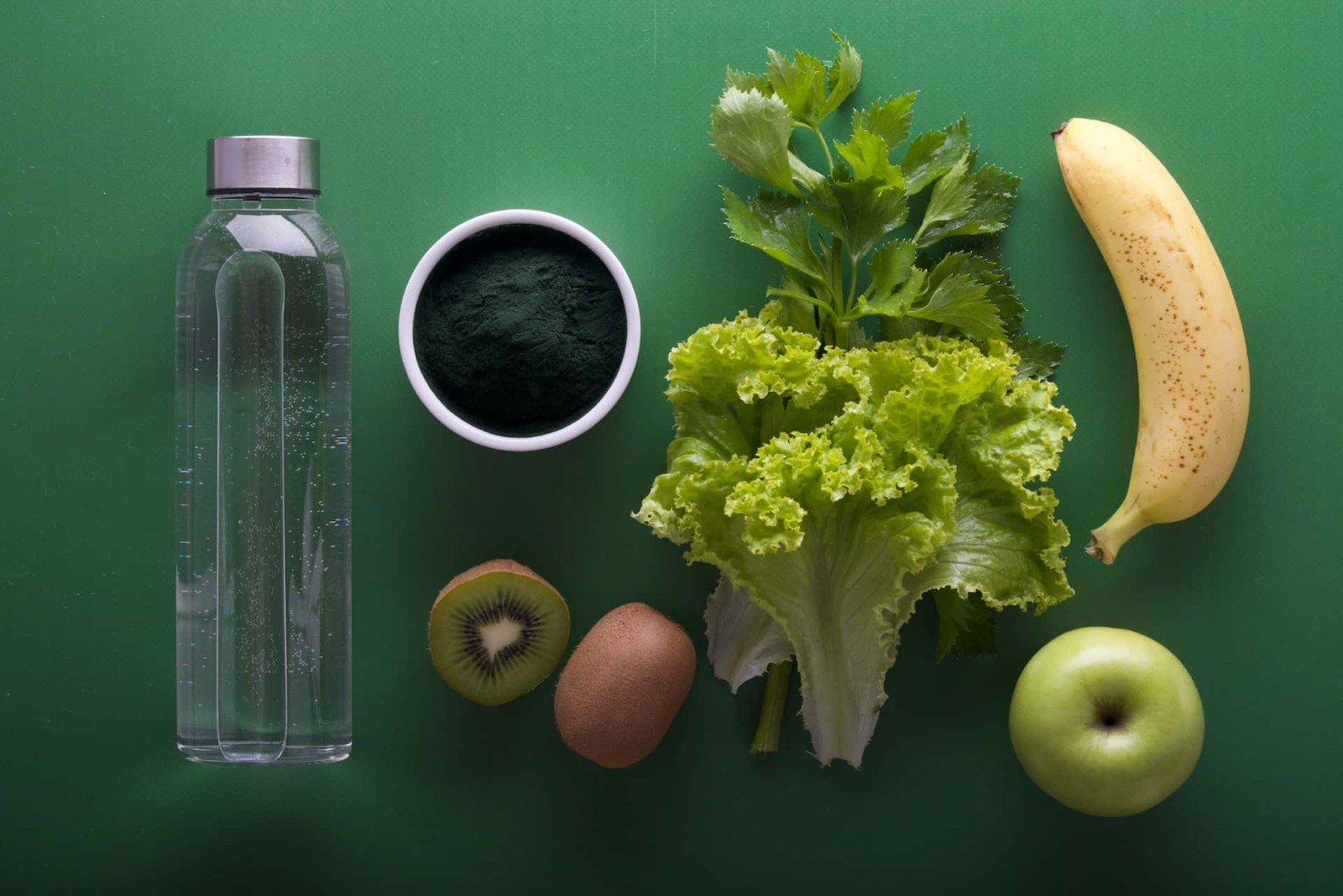
The unending quest for healthy and sustainable food amid changing lifestyles
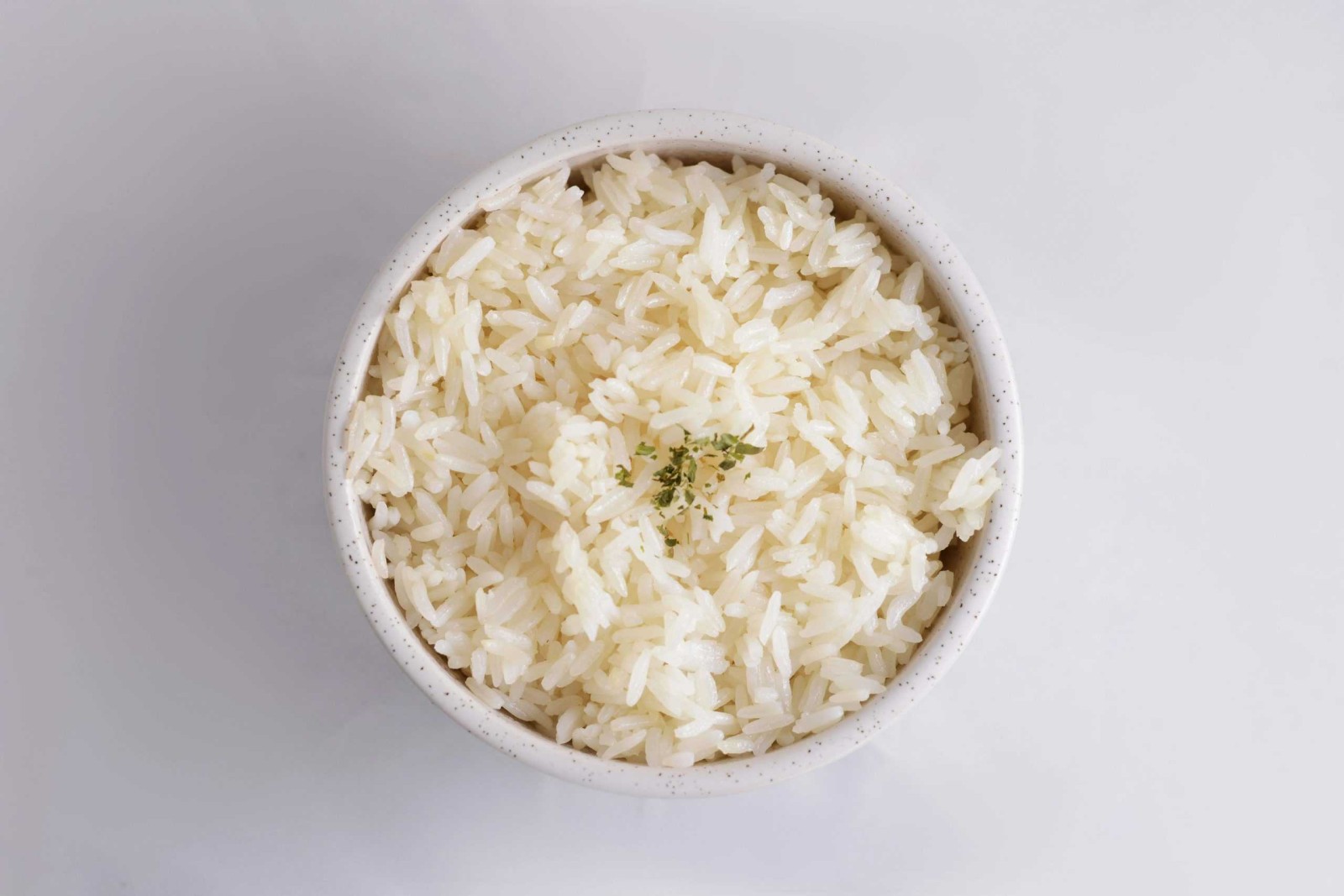
A quick look at the Philippine food staple often getting a bad health rap