
How to Make your Brand Stand Out
Being a newbie in any industry is tough, most especially in the cutthroat world of food and bever-ag...
April 13, 2026
Global demand for food products is ever growing and changing. In Europe alone, home to 450 million people, consumers are looking for healthier and more sustainable food items on their tables.
Philippine homegrown Lionheart Farms is slowly expanding its presence in the European market by showcasing its product line by participating in various trade fairs across the region. Its participation at the recent ANUGA 2025 in Cologne, Germany–one of the largest global trade fairs–alongside other Philippine MSMEs comes at a time when Europe continues to serve as a vital export market for agricultural goods.
Exports of agricultural goods to European Union (EU) member countries in 2024 reached US$1.53 billion, contributing 19.0 percent to the country’s total exports to the region, according to the Philippine Statistics Authority. One of the driving forces behind this is the growing demand by Europeans for healthier products.
At least six out of 10 Europeans are now considering buying products that contribute to healthy aging and longevity as very or extremely important, based on a report by European Institute of Innovation and Technology (EIT) Food’s Consumer Observatory. Food is an international body co-funded by the European Union that seeks to innovate and make the food system sustainable. Europeans are also looking for food items that would improve their cognitive and emotional health.
This need for healthier and more sustainable food products is enticing homegrown Lionheart Farms into building its presence in the European market.
Established in 2015, Lionheart Farms is keen on getting a bite of the European food market through its award-winning coconut-based condiments, sweeteners, and single-origin coconut flower sap beverages.
In an interview, Lionheart Farms says that the food market characteristics of Europe, which imported €171.8 billion of agriculture and food products in 2024, align with its consumer values that revolve around health, sustainability, and clean ingredients.
The company is targeting distributor-led expansion in the Netherlands, Scandinavia, Germany, France, and the United Kingdom beginning next year.
Lionheart Farms explains, “We're thinking long-term. The market demands what we make: organic, plant-based, sustainable products with real nutritional benefits. Europe's share of our annual revenue is minimal right now. But, its importance grows significantly as we scale globally over the next few years. We're positioning for impact, not just immediate.”
Lionheart Farms prides itself on sourcing exclusively from its own farm in Palawan for its coconut flower sap beverage under the SLOW brand. The drink is all natural, has no artificial additions, and has a low glycemic index, making it a great beverage alternative for European consumers looking for sweet energizing drinks that do not make their blood sugar spike much, unlike beverages that contain a lot of sugars or artificial sweeteners.

The coconuts are certified organic, non-GMO, and coconut nectars or saps are harvested using a decades-old traditional harvesting method of tapping combined with modern tools.
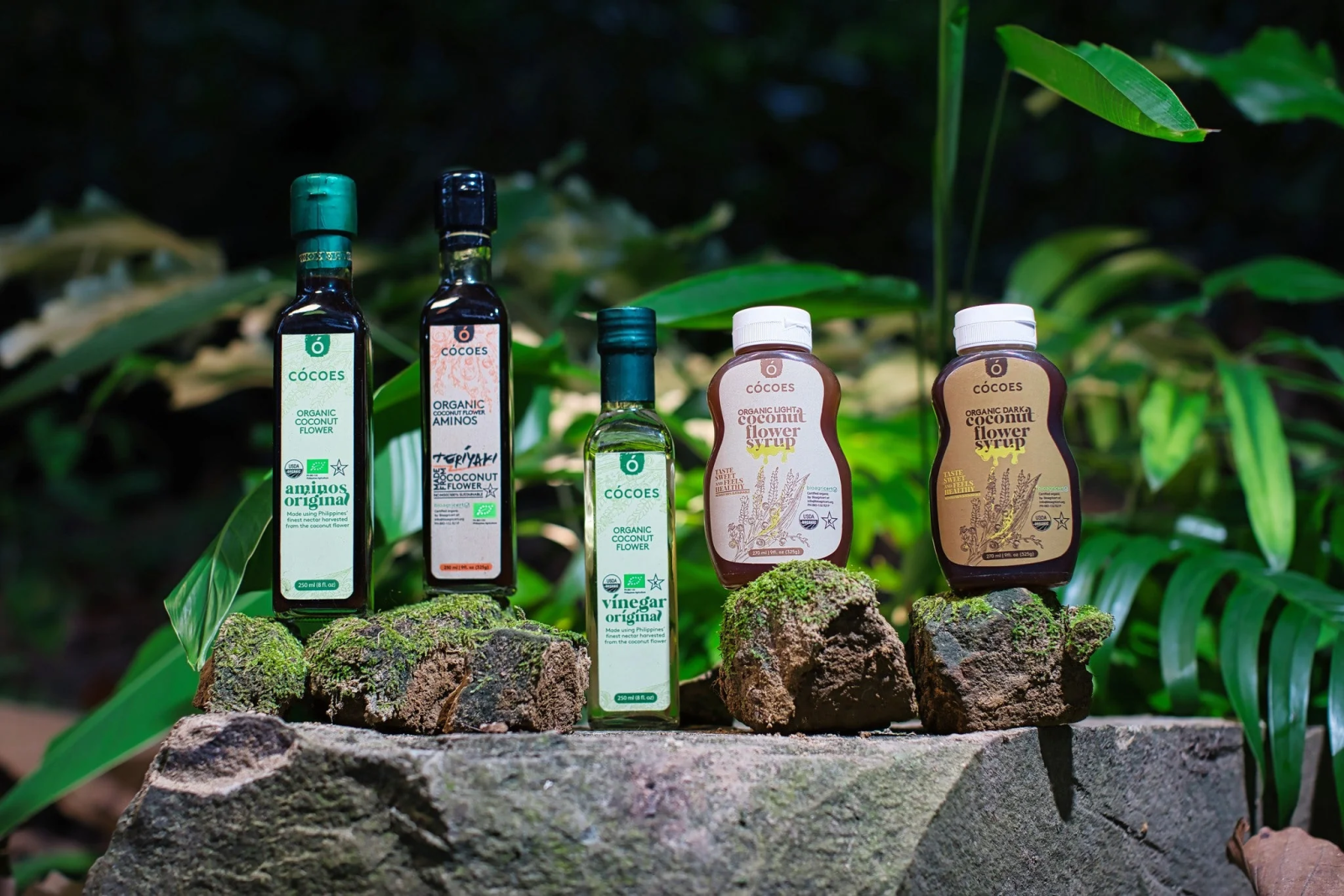
The agricultural firm also offers healthier alternatives to commercially available condiments and sweeteners, such as coconut aminos, coconut teriyaki, and coconut syrup under its CÓCOES brand.
Its farms in Palawan are operating on carbon negative, allowing it to sequester more carbon than it emits while ensuring circular production to ensure zero waste. Its coconut byproducts are being repurposed, recycled, and even transformed into value-added items, such as the production of biochar and the generation of thermal power from waste biomass.
Lionheart Farms stands ready to cater to a wide range of consumer base in Europe, especially those with dietary restrictions and specific food requirements, given its multiple international food certifications, including BRCGS Food Safety Certification, USDA Organic, Canada Organic, Japanese Agricultural Standard organic certification, EU organic, Kosher certification, SMETA certification, and HALAL certification.
The company also has a near-perfect Sustainable Assessment of Food and Agriculture systems rating of 4.95 over 5.0, showing that it has a high sustainability in terms of environmental integrity, social well-being, economic resilience, and good governance.
The Netherlands' Center for Promotion of Imports (CBI) points out that Europe has a growing demand for new value-added coconut-based products, including coconut sugar. The international agency explained that European consumers “seek healthier and natural products” such as coconut sugar.
“European consumers want organic, sustainably-sourced products that deliver real health benefits. Our certifications prove we meet their standards. Our ingredients—coconut flower sap harvested using traditional methods—give them what they're looking for: clean labels, low-glycemic sweeteners, natural condiments without additives,” Lionheart Farms says.
“Coconut aminos, coconut vinegar, and coconut syrups are naturally lower in sodium and sugar, gluten-free, and keto-friendly. In Europe, these aren't niche products anymore. They're pantry staples that fit how Europeans actually eat today,” it adds.
Lionheart Farms emphasizes that Philippine coconut sap stands out since it creates multiple products from a single raw material – beverages, condiments, sweeteners and seasonings. This versatility provides European buyers with flexibility as they can source multiple products from just one supplier like Lionheart Farms.
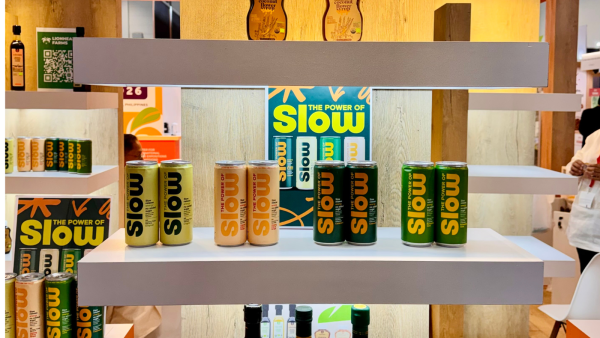
At present, its CÓCOES line of condiments and sweeteners, including aminos, coconut flower vinegar, and coco syrup, is already available in Europe.
“CÓCOES products, for example, range from cooking essentials like Organic Coconut Aminos and Coconut Vinegar to sweeteners that replace refined sugar. Each product solves different needs: teriyaki for marinades, vinegar for dressings, syrups for baking or beverages. One ingredient platform, diverse applications,” the company says.
European buyers can also take advantage of Lionheart Farms’ innovative global fulfillment platform that allows consumers and retailers to buy its products directly, removing minimum order quantity requirements and making its product portfolio more accessible to smaller buyers with minimal risks for those testing new brands. The company has a fulfillment center in Amsterdam that eliminates supply chain friction for buyers and opens up multiple distribution channels simultaneously, allowing buyers to buy at wholesale prices.
“This makes our products healthy, sustainable, traceable, and accessible—the four pillars that actually matter,” Lionheart Farms said.
Learn more about Lionheart Farms and other Filipino exporters at IFEXConnect.
***
Banner caption: Lionheart Farms enters Europe with organic, sustainable coconut products that match consumer desire for health, clean ingredients and longevity. Photo Credit: Lionheart Farms
Being a newbie in any industry is tough, most especially in the cutthroat world of food and bever-ag...
In April 2020, mountains of surplus broccoli and cauliflower were pictured decaying in the Mountain...
A country renowned for its pristine beaches and infectious hospitality, the Philippines is also the...

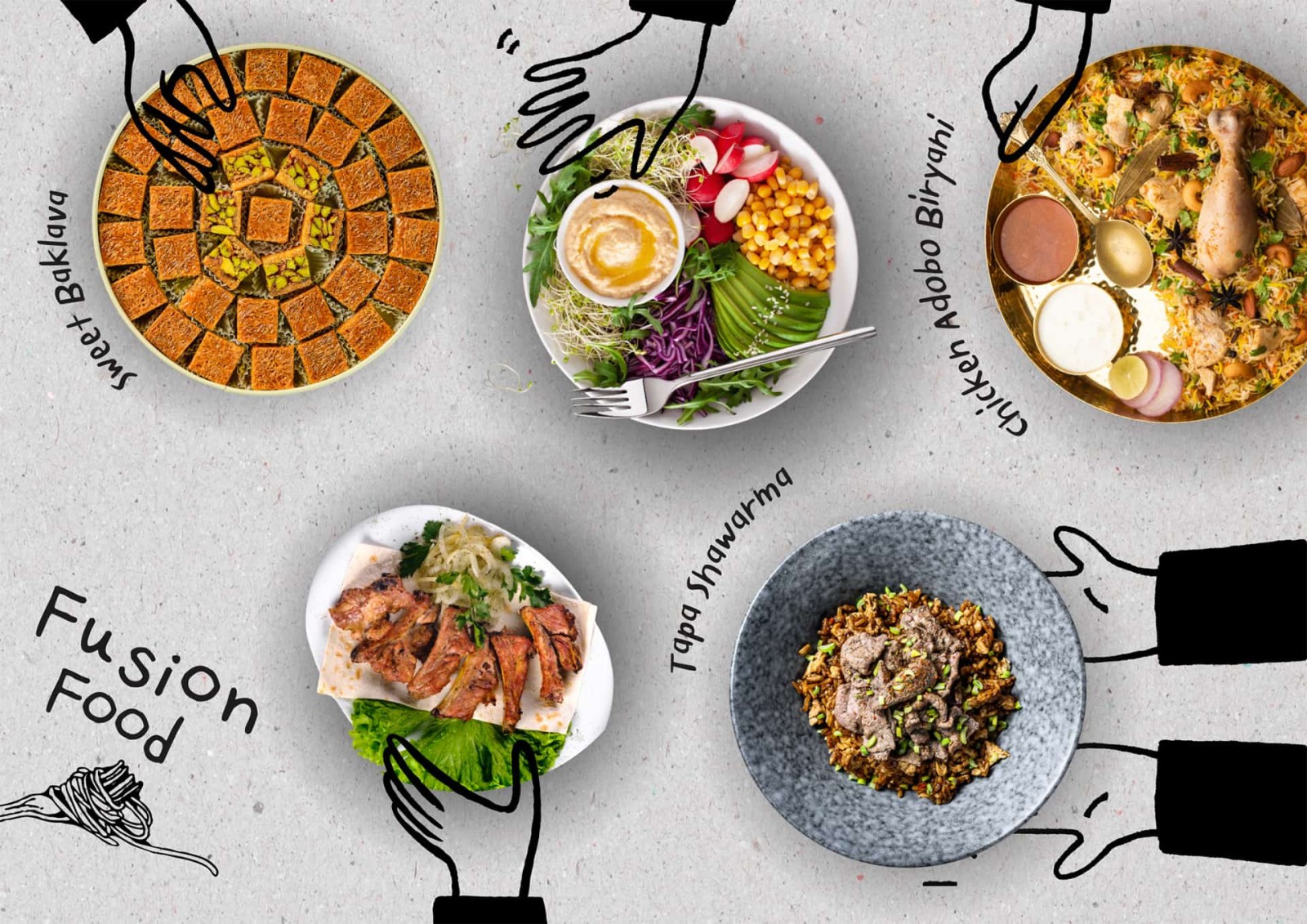
Check out these food fusions between Filipino and Middle Eastern cuisines
The unending quest for healthy and sustainable food amid changing lifestyles
A quick look at the Philippine food staple often getting a bad health rap