
How to Make your Brand Stand Out
Being a newbie in any industry is tough, most especially in the cutthroat world of food and bever-ag...
March 04, 2026
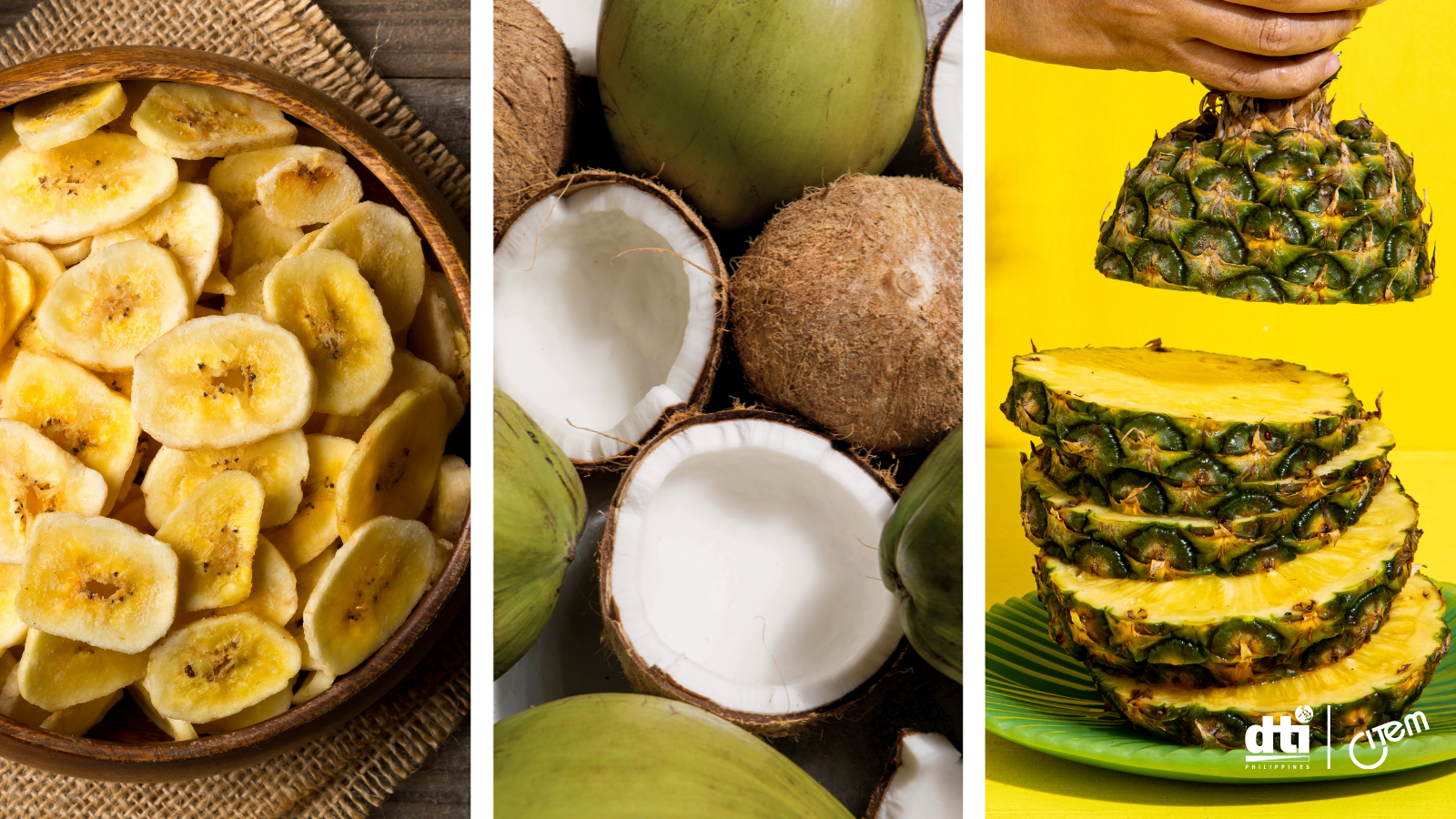
From volcanic soils to global tables, the country leverages its rich biodiversity to meet the surging demand for high-value, authentic tropical flavors for the world.
The global focus on health and wellness in today’s food industry marks a dynamic shift in the way consumers and producers relate to nutritional sourcing. Putting a premium on clean and traceable labels, fresh and natural ingredients interspersed with safety standards and convenience, buyers are turning toward more ancestral, nutrient-dense elements that can offer both functional benefits and authentic flavors.
This shift has placed the Philippines at the center of a lucrative market seeking to squeeze the most nutrition-per-dollar purchasing value. Awashed with unique natural landscapes and coastal waters, the country is able to leverage its volcanic-rich soils and biodiverse marine resources to produce exceptionally fresh, high-value heritage crops and vibrant ingredients—from tropical fruits to nutrient-dense superfoods trusted by global markets.
"We are reinforcing the Philippines' position as a reliable hub for high-value processed food and ingredients. Our focus is on successfully aligning tropical heritage with the rigorous quality standards of the modern wellness economy, ensuring our exporters are not only present, but globally competitive."
— Leah Pulido Ocampo, CITEM Executive Director
The scale of this opportunity is evidenced by the performance of the Center for International Trade Expositions and Missions (CITEM), the export promotion arm of the Philippine Department of Trade and Industry (DTI). In 2025, CITEM’s initiatives generated over US$740 million in potential export sales. Its signature trade event for food, IFEX Philippines, contributed US$80 million of that total, showcasing more than 5,000 brands to the international community.
The 19th edition of IFEX Philippines, happening on May 21-23, 2026 at the World Trade Center Metro Manila, seeks to build on this legacy. As the Philippines assumes regional leadership as the Chair of ASEAN 2026, the event serves as a primary gateway to a US$15 trillion Asian market, positioning Philippine MSMEs as the gold standard for innovation and resilience in the global food value chain.
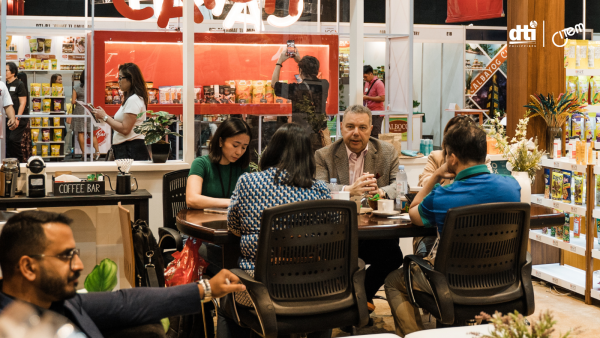
IFEX Philippines is designed as a comprehensive B2B gateway, translating the archipelago's natural bounty into actionable opportunities for European institutional buyers:
Through the 24/7 digital platform IFEXConnect, CITEM is effectively streamlining the supply chain, ensuring resilient partnerships. This is complemented by the Likhang Filipino Exhibition Halls, a permanent year-round showroom that allows global buyers to experience and order or purchase products outside of the traditional trade show calendar.
The commitment to a future-proof industry is further reinforced by the Sustainability Solutions Exchange (SSX), the country’s first platform dedicated to circularity. These thrusts are anchored on an unwavering commitment to safety, with Philippine MSMEs increasingly securing international certifications (such as ISO 22000, HACCP, and FSSC) to navigate the rigorous phytosanitary requirements of the European Union.
To ensure these regional treasures reach the global stage at scale, CITEM collaborates with the Foreign Trade Service Corps (FTSC) of the DTI. Operating in key cities worldwide, these trade posts serve as a force multiplier, bringing in crucial trade buyers and ensuring Philippine exhibitors gain significant market presence.
Furthermore, collaboration with the Philippine International Trading Corporation (PITC) allows for the consolidation of small-volume sales to fulfill extensive international orders. This ensures that even specialized producers can scale effectively, making the Philippines a reliable, compliant, and scalable partner for the world’s food industry.
Discover tropical flavors for the world. Register here for IFEX Philippines 2026.
Being a newbie in any industry is tough, most especially in the cutthroat world of food and bever-ag...
In April 2020, mountains of surplus broccoli and cauliflower were pictured decaying in the Mountain...
A country renowned for its pristine beaches and infectious hospitality, the Philippines is also the...

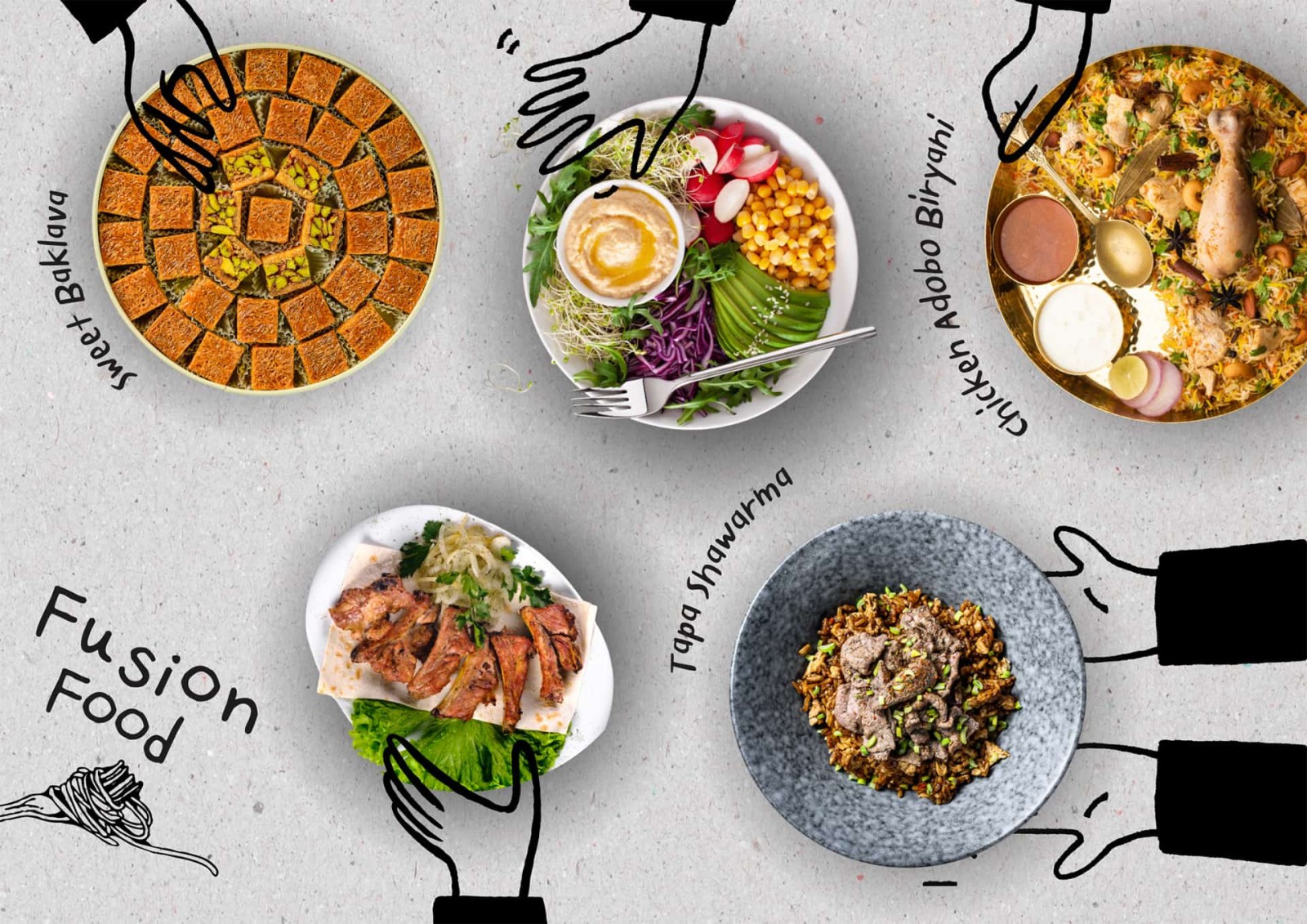
Check out these food fusions between Filipino and Middle Eastern cuisines
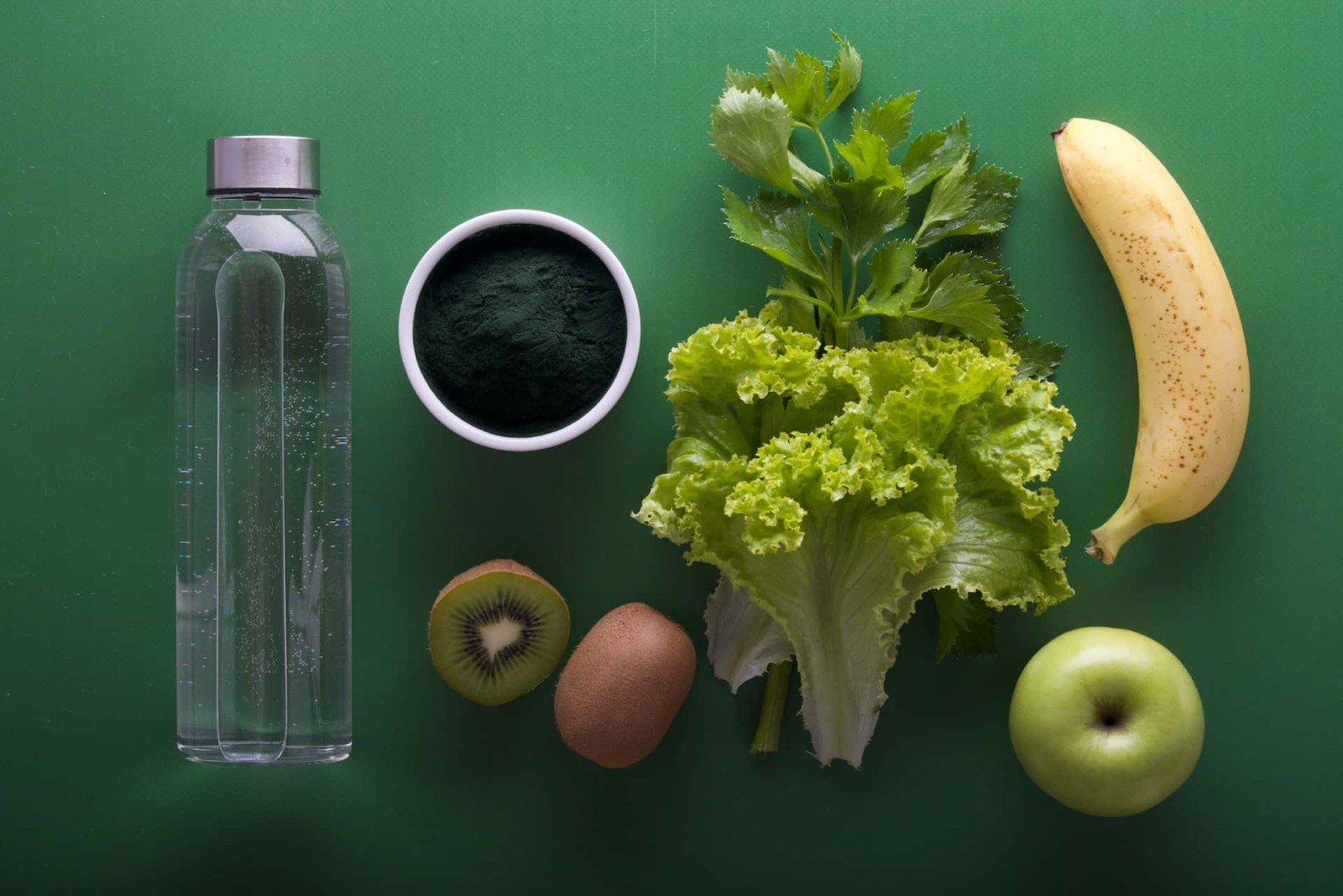
The unending quest for healthy and sustainable food amid changing lifestyles
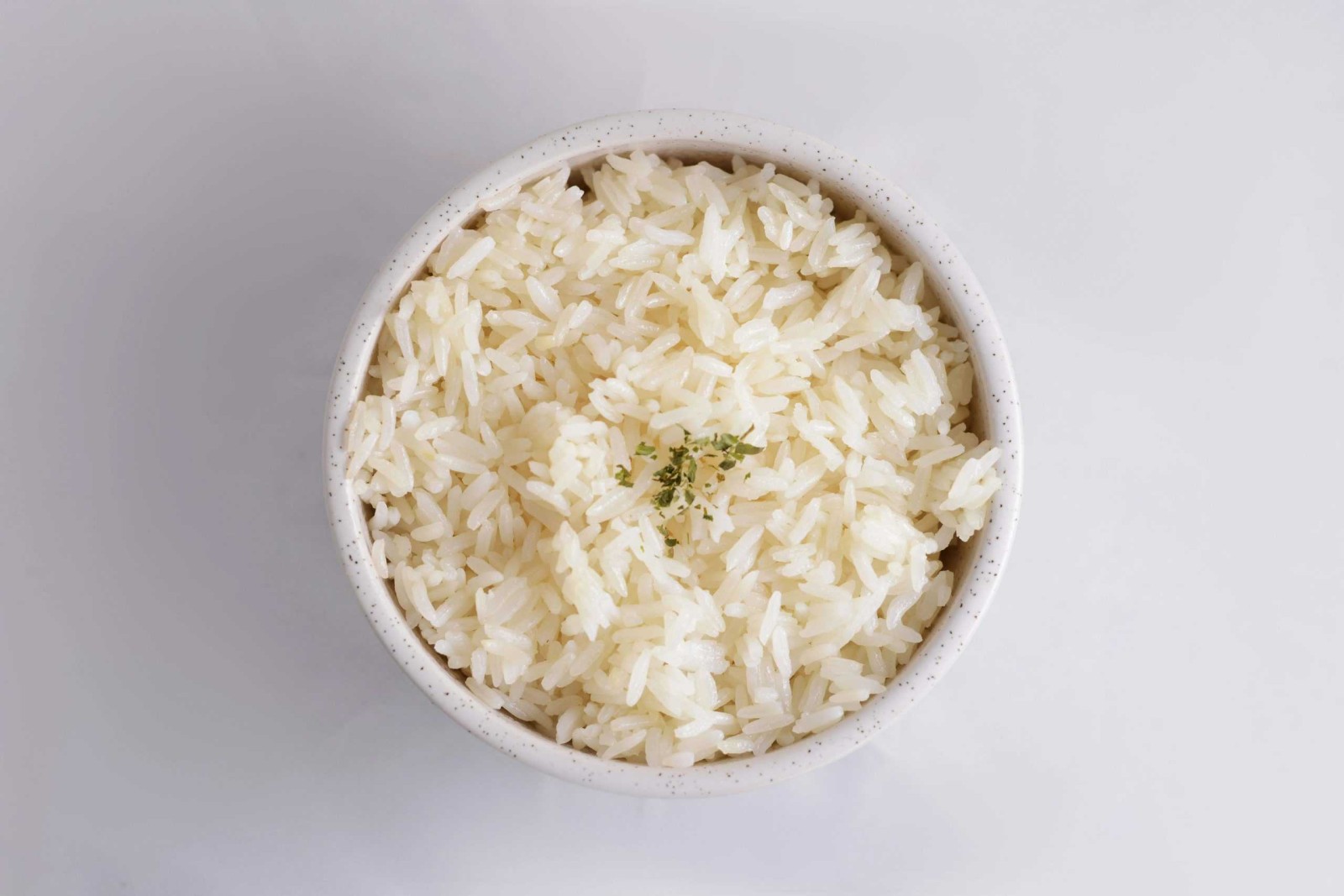
A quick look at the Philippine food staple often getting a bad health rap