
How to Make your Brand Stand Out
Being a newbie in any industry is tough, most especially in the cutthroat world of food and bever-ag...
January 17, 2023
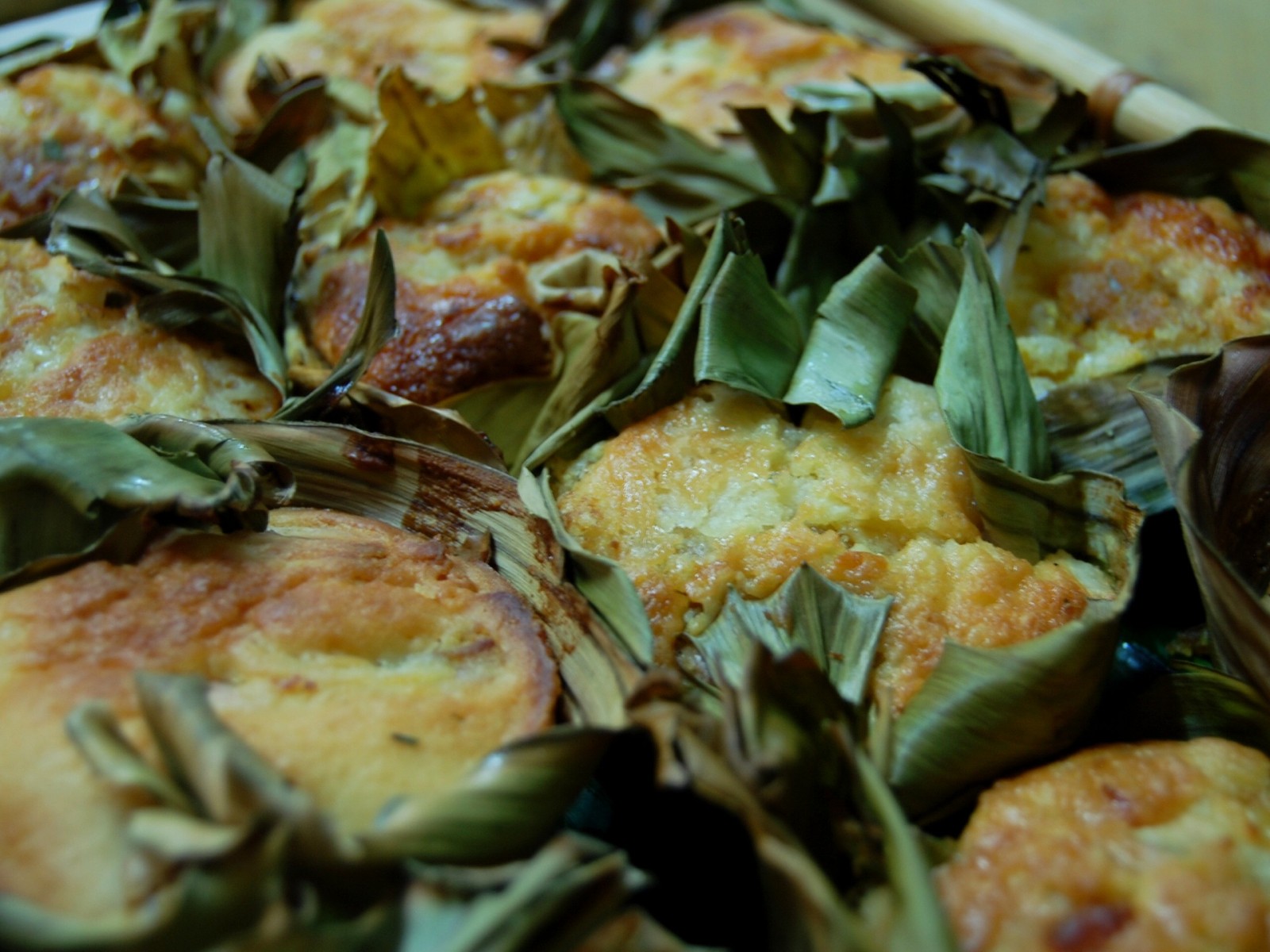
It was a simple concept that just needed to be realized—solo-sized bibingka that would be available the whole year round.
It was a simple concept that just needed to be realized—solo-sized bibingka that would be available the whole year round. But for many years, no one did it. Until in 2006, Richard Sanz finally did. And since then, Filipinos—and later on, even foreigners—have been indulging in small rice cakes, even if it’s not the holidays.
“My family loves bibingka,” he says. “But I noticed that there were always leftovers and no one ate them. So I thought, why not make it bite-sized like donuts or cupcakes?”
The base recipe of Bibigkinitan, recently rebranded as BBK, took almost a year of research and development before it became the kakanin the owner became happy and satisfied with. Theirs is very moist and fluffy, as opposed to other commercial bibingkas that are more on the dense and dry side.
Sanz and his team have also made it their goal to use only locally sourced ingredients. They manufacture their own rice flour, using local rice from Central Luzon, while their sugar comes from Negros. “And for the past 12 years, we adopted a small community of Aetas in the mountains of Tarlac for our banana leaves and built them a small facility,” he adds.
In April 2006, months ahead of the holidays, he took a chance and opened his first store, offering only a single product—the OG Bibingka—in Alabang Town Center. It was a slow start for the brand, but after a few tweaks to the recipe based on initial customer feedback, the BBK mini bibingka became an instant hit. This allowed his brand, under his company the FoodAsia Group, to expand with the opening of five more stores in the same year.
“It was a risk I was willing to take but I just felt that if I make it available all year round and accessible by spreading it out across the country, Filipinos will buy it.”
15 years later, BBK has grown to over 300+ stores in the Philippines plus two in Dubai, UAE, selling alongside premium items such as dates and walnuts. Plans were on the way to open and bring the Filipino specialty cake to Singapore and Brunei, but the pandemic caused the delay.
In the meantime, the brand continues to enjoy its steady footing in the local food industry, reinforcing it by releasing new variants and products such as the OG Barako Coffee from the farmers of Batangas, BBK Tsokolate de Tablea, and their seasonal Keso Cakes.
Being a newbie in any industry is tough, most especially in the cutthroat world of food and bever-ag...
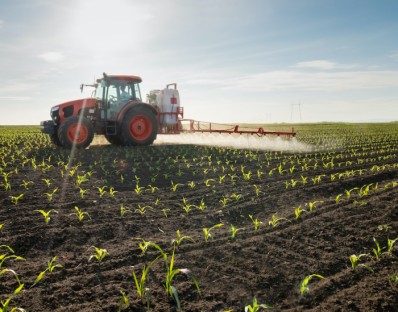
In April 2020, mountains of surplus broccoli and cauliflower were pictured decaying in the Mountain...
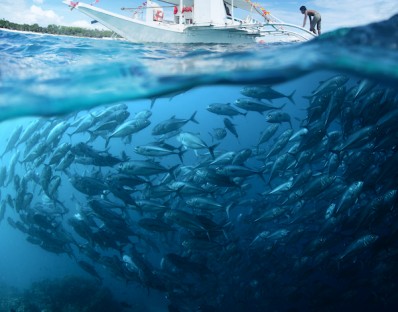
A country renowned for its pristine beaches and infectious hospitality, the Philippines is also the...

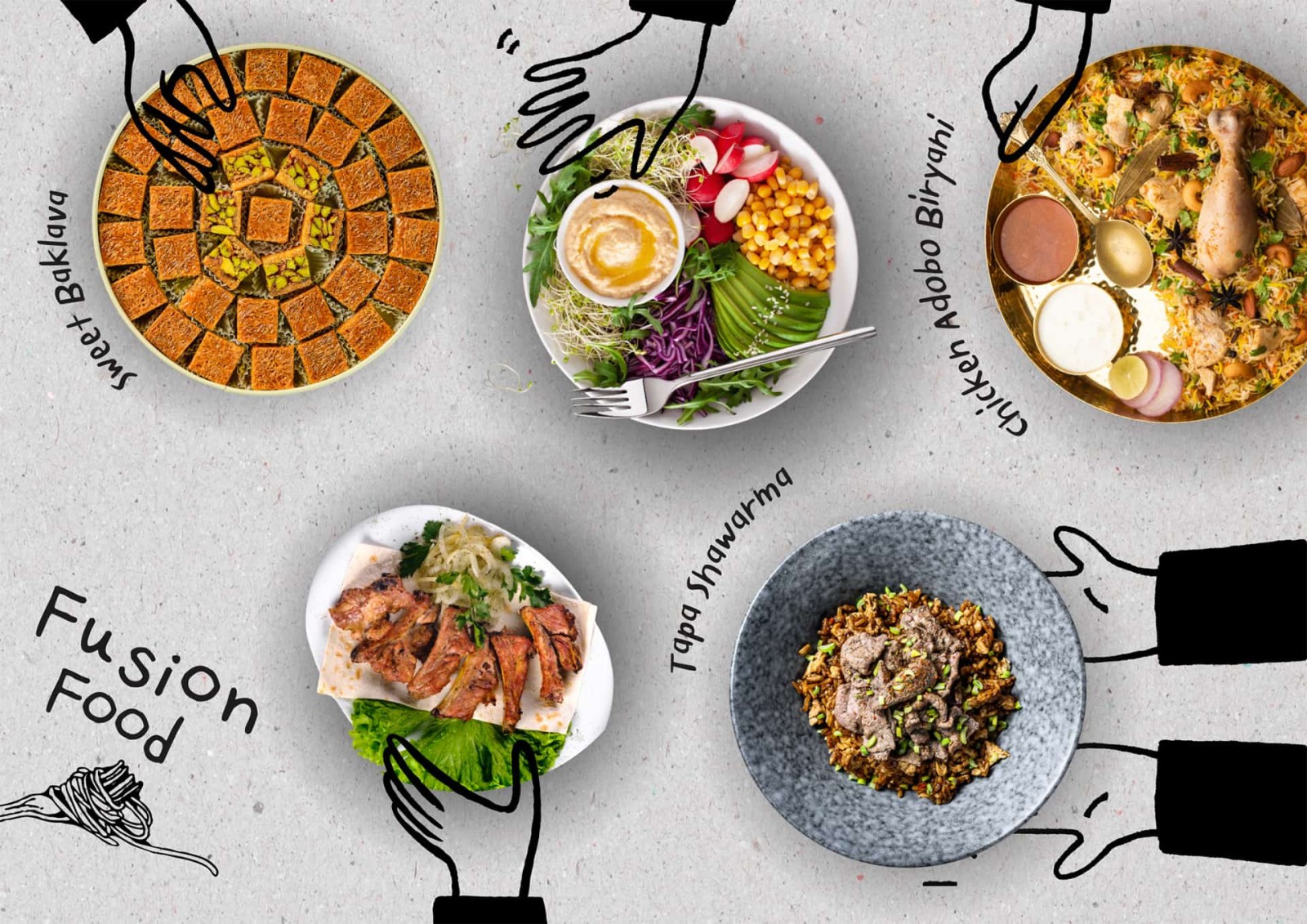
Check out these food fusions between Filipino and Middle Eastern cuisines
The unending quest for healthy and sustainable food amid changing lifestyles
A quick look at the Philippine food staple often getting a bad health rap