
How to Make your Brand Stand Out
Being a newbie in any industry is tough, most especially in the cutthroat world of food and bever-ag...
April 29, 2026
Exploring the everyday uses and functional benefits of this tropical ingredient.
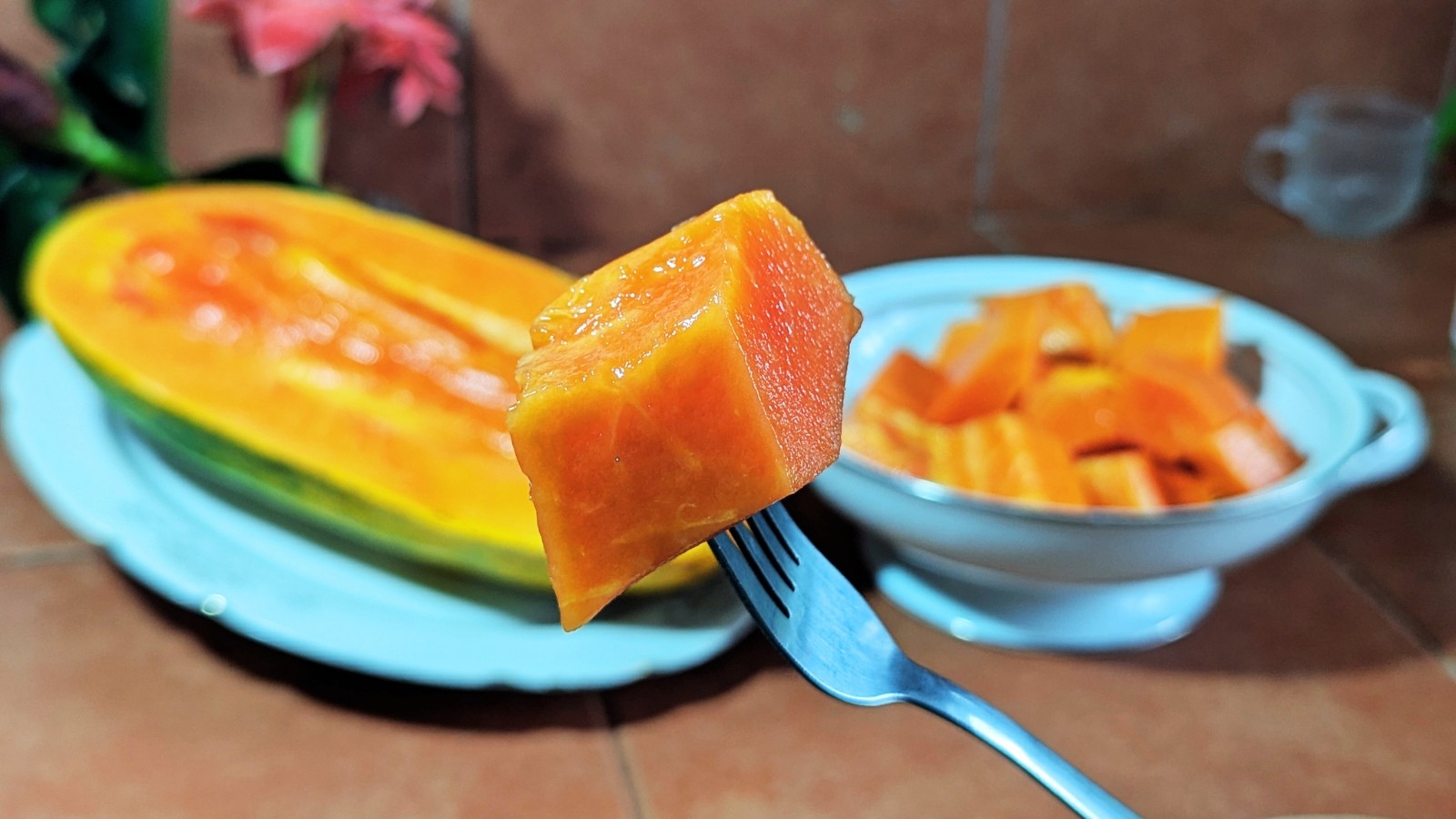
As global consumers prioritize gut health, immunity, and clean-label nutrition, everyday tropical fruits like papaya are emerging as functional powerhouses. Often overlooked in favor of trendier superfoods, papaya offers a compelling blend of culinary versatility and scientifically supported health benefits — making it a strategic ingredient for both home kitchens and export markets.
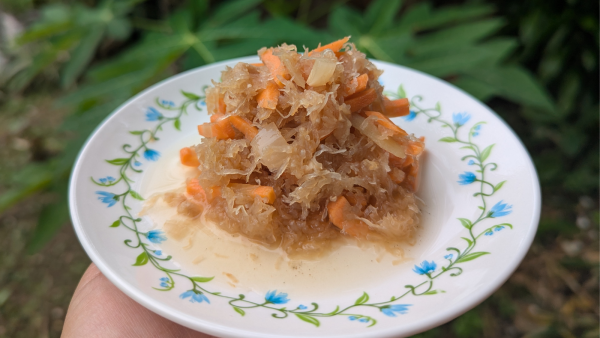
Papaya is a backyard staple in the Philippines, frequently used in dishes such as atchara, a pickled relish often paired with fried fish or pork. While this sweet fruit may not be as popular as durian or as versatile as coconut, papaya offers notable health benefits across its stages of ripeness. In its raw, green form, it contains papain, a proteolytic enzyme that helps break down proteins and supports digestion. As it ripens, papaya reaches peak Vitamin C levels, contributing to collagen production and immune health, along with antioxidants such as beta-carotene and lycopene that aid in cellular protection.
Papaya’s versatility in the kitchen is remarkable. The green, unripe fruit pairs well with savory stews like tinola (a Filipino soup with chicken, papaya, and malunggay leaves in a ginger-infused broth), while the ripe, orange fruit can be combined with pineapples and mangoes to create a vibrant fruit bowl. Its mild flavor and soft texture also allow it to blend seamlessly into smoothies, chutneys, and preserves, making it a flexible ingredient for both sweet and savory dishes.
Philippine manufacturers are translating this versatility for the global market. Through advanced preservation methods, the industry is turning the papaya into shelf-stable formats that retain these functional benefits without compromising flavor. These methods help maintain flavor and quality while supporting the requirements of export-oriented buyers. While the processes generally vary by producer, the overall goal remains the same: to extend shelf life without compromising the fruit’s nutritional value.
These applications also include atchara, a traditional Filipino side dish made by pickling grated green papaya in a vinegar-based solution with garlic and ginger, resulting in a bright, sweet-acidic profile that complements rich or fried foods. The process enhances digestibility, adds natural probiotics, and extends shelf life, qualities that appeal to consumers seeking healthy condiments.
Dried papaya, as a healthy snack, provides a naturally sweet, chewy option for on-the-go snacking and is a simple, clean-label alternative to processed sweets. The dehydration process concentrates its nutrients and sugars, making it a convenient source of quick energy for active lifestyles.
Learn more about these fruit applications and other Philippine food innovations at IFEX Philippines 2026, May 21–23, World Trade Center, Pasay City and continue exploring opportunities through IFEXConnect.com for year-round sourcing and buyer engagement.
Banner Image Caption: Freshly sliced papaya fruit. Shot by Tripples
Being a newbie in any industry is tough, most especially in the cutthroat world of food and bever-ag...

In April 2020, mountains of surplus broccoli and cauliflower were pictured decaying in the Mountain...

A country renowned for its pristine beaches and infectious hospitality, the Philippines is also the...

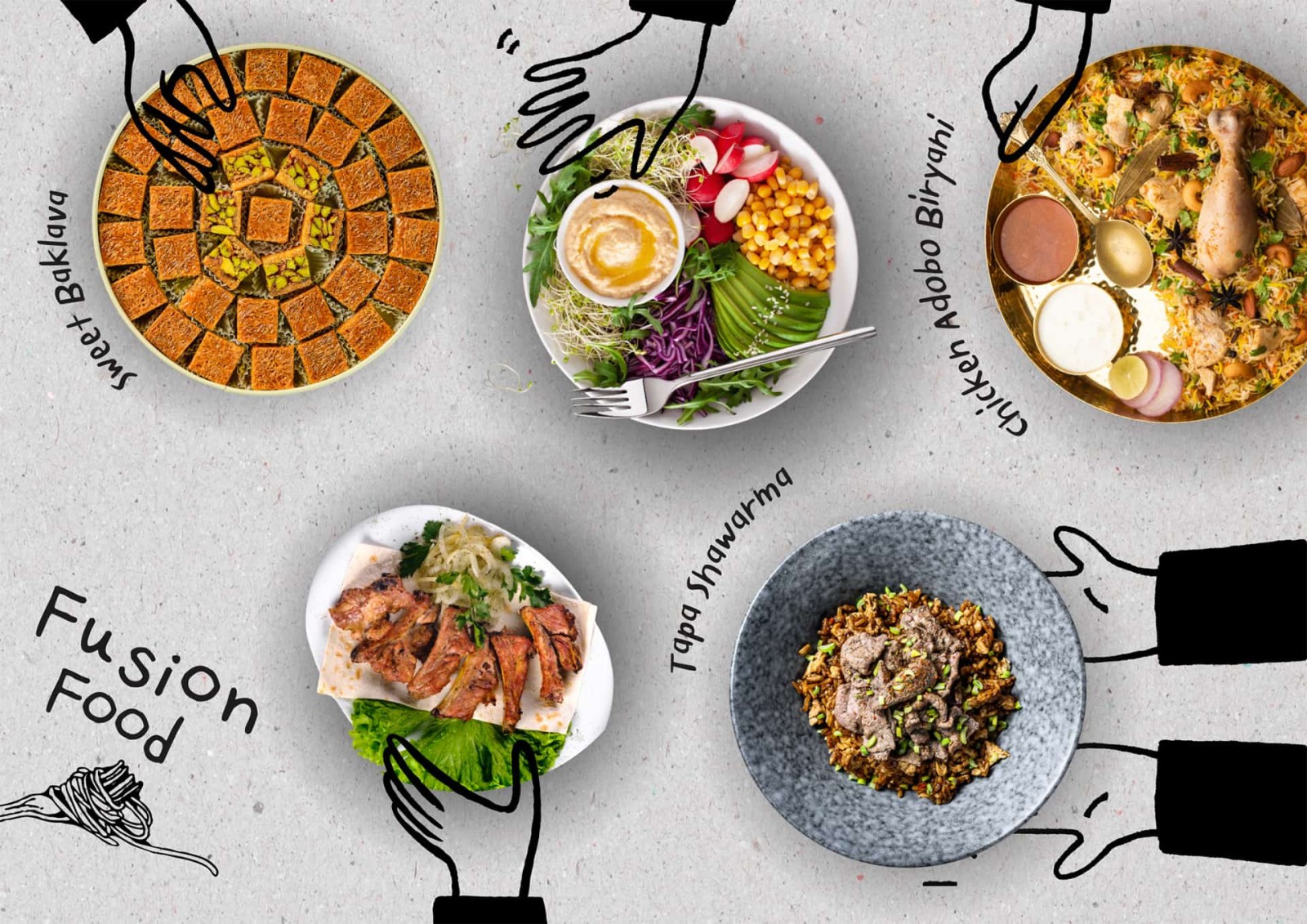
Check out these food fusions between Filipino and Middle Eastern cuisines
The unending quest for healthy and sustainable food amid changing lifestyles
A quick look at the Philippine food staple often getting a bad health rap