
How to Make your Brand Stand Out
Being a newbie in any industry is tough, most especially in the cutthroat world of food and bever-ag...

CITEM advises all exhibitors, partners, and stakeholders to remain vigilant against unauthorized emails claiming to offer access to IFEX Philippines, SSX, or CITEM attendee, visitor, buyer, or exhibitor lists.
Please be reminded of the following security measures:
Official communications from CITEM, IFEX Philippines, and SSX are sent only through verified official channels and corporate email domains, including @citem.com.ph.
CITEM does not authorize third-party entities to sell, distribute, or provide access to official attendee, visitor, buyer, or exhibitor databases.
We will never ask for sensitive financial details, passwords, or direct payments through unofficial third-party channels or personal email accounts.
If you receive a suspicious email, especially one offering event databases, using urgent pressure tactics, or coming from an unfamiliar address:
If you are unsure about the authenticity of any communication you receive, please verify it with your official project focal point or contact CITEM directly through its official websites and communication channels.
Thank you for your continued cooperation and vigilance.
Center for International Trade Expositions and Missions
May 19, 2026
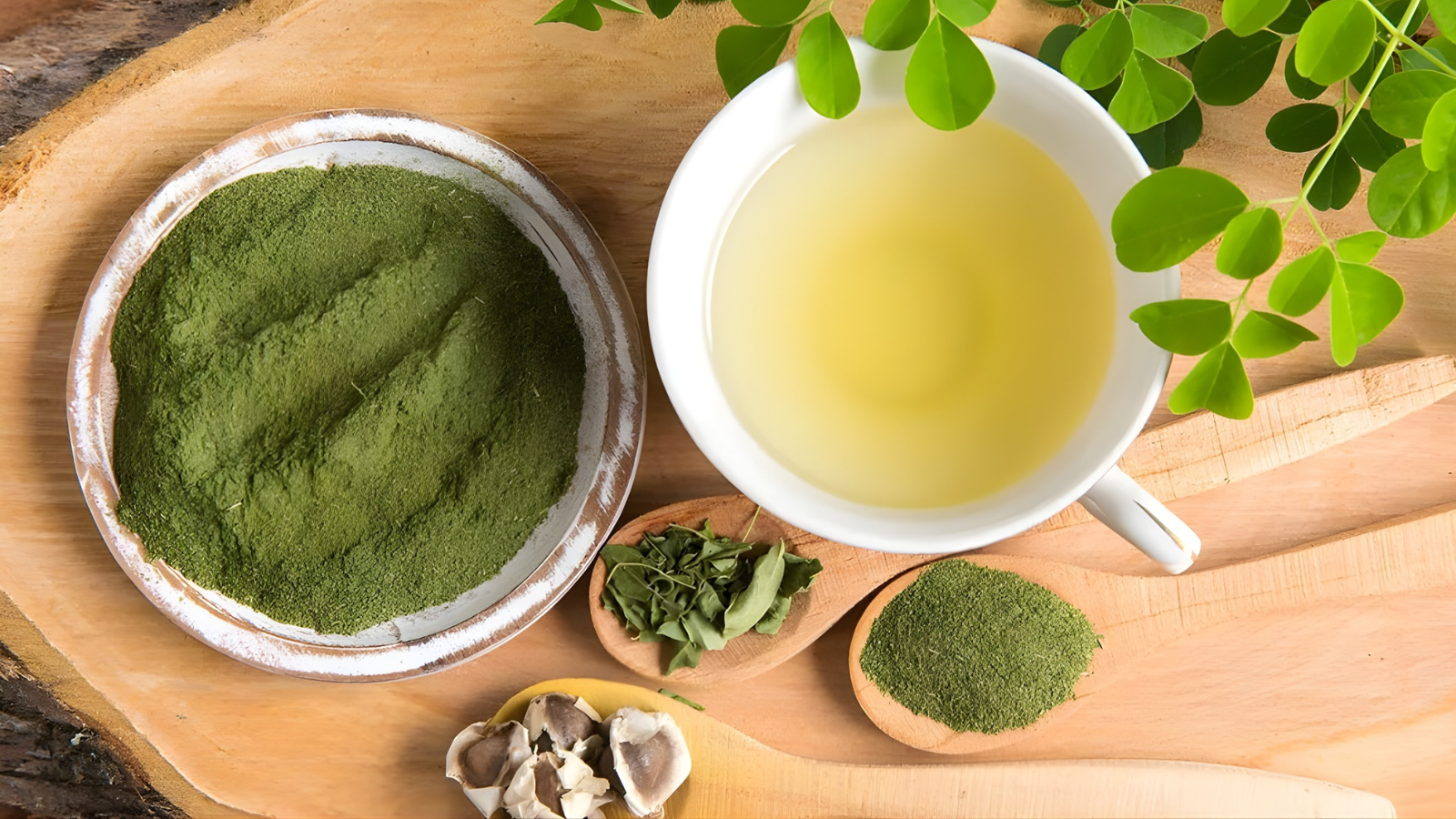
From backyard staple to processed ingredient, demand for moringa is creating new opportunities for Philippine producers in food and wellness markets.
Around the world, demand for nutrient-dense, plant-based ingredients continues to rise, driven by interest in functional foods and everyday nutrition. Moringa is part of this shift, valued for its high concentration of vitamins, minerals, and antioxidants. Rather than standing out as a singular “miracle” crop, it is better understood as one of several plant-based ingredients gaining traction in global food and wellness categories.
Packed with vitamins, minerals, and antioxidants, moringa offers benefits that go beyond basic nutrition. It contains protein, calcium, potassium, and beta-carotene, along with essential amino acids that support overall health. Almost every part of the tree—leaves, pods, and seeds—can be used for food, traditional remedies, or even water purification. As demand grows for plant-based nutrition, moringa has found its way into supplements, teas, and functional food products in both developed and emerging markets.
This growing demand creates opportunities for countries like the Philippines, where moringa, locally known as malunggay, has long been part of everyday cooking. It is commonly used in dishes, such as tinola (chicken soup), monggo guisado (mung bean stew), and vegetable-based soups. Its widespread use is tied to how easily it grows in tropical conditions, making it accessible to households and small-scale farmers. This existing familiarity allows Philippine producers to transition moringa from a household ingredient into processed formats that can meet broader market demand. Beyond its culinary role, moringa is increasingly used in value-added products such as powders, teas, and supplements, reflecting its adaptability across different product categories.
Aside from being consumed as food or an ingredient, moringa also has applications in personal care. With its iron content and anti-inflammatory, antiseptic, anti-fungal, and emollient properties, moringa leaves are used in products such as ointments that can help with minor skin concerns. This versatility supports its use across both nutrition and non-food applications.
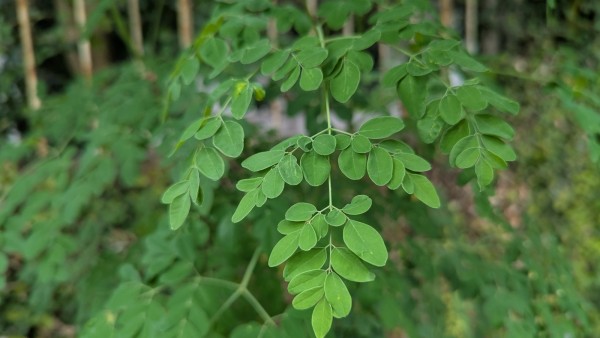
As a globally recognized "superfood" with a complete amino acid profile and high antioxidant content, moringa has moved from the backyard to the boardroom. While its nutritional density provides the initial hook, the Philippine industry is optimizing its value chain to sustain this momentum, bridging the gap between local heritage and international demand.
The global market for moringa ingredients is currently surging, projected to reach US$9.99 billion in 2026 with a steady compound annual growth rate of 8.9% (Research and Markets, 2026). This growth is fueled by a massive 37% increase in moringa usage across the food and personal care sectors worldwide, as manufacturers seek out plant-based protein alternatives and clean-label functional ingredients.
The Philippine moringa industry is strategically evolving to capture this shift. Rather than focusing solely on fresh consumption, producers are developing shelf-stable and processed products that align with rigorous export requirements for quality, safety, and consistency. Philippine companies such as Q-Phil International Trading produce HACCP-certified moringa-based food products, including fortified noodles, while Japan-Philippines Malunggay Eco Farm offers organic teas, capsules, and specialized extracts. Meanwhile, JBM Food Products incorporates moringa into blended beverages, showcasing the ingredient's versatility in everyday consumer goods.
These developments point to a broader transformation: the Philippines is moving from using moringa merely as a household staple to positioning it as a sophisticated, value-added asset for global markets. By converting a resilient local resource into standardized, processed goods, producers are not just responding to a trend; they are securing a permanent seat at the global wellness table. In the high-stakes trade of functional nutrition, the Philippines is showing that malunggay is more than a familiar household vegetable. When processed into quality, shelf-stable products, it becomes a value-added ingredient with growing commercial relevance in the global wellness market.
***
Banner caption: From backyard staple to processed ingredient, demand for moringa is creating new opportunities for Philippine producers in food and wellness markets. Photo credit: Human Tonik.
Being a newbie in any industry is tough, most especially in the cutthroat world of food and bever-ag...
In April 2020, mountains of surplus broccoli and cauliflower were pictured decaying in the Mountain...

A country renowned for its pristine beaches and infectious hospitality, the Philippines is also the...

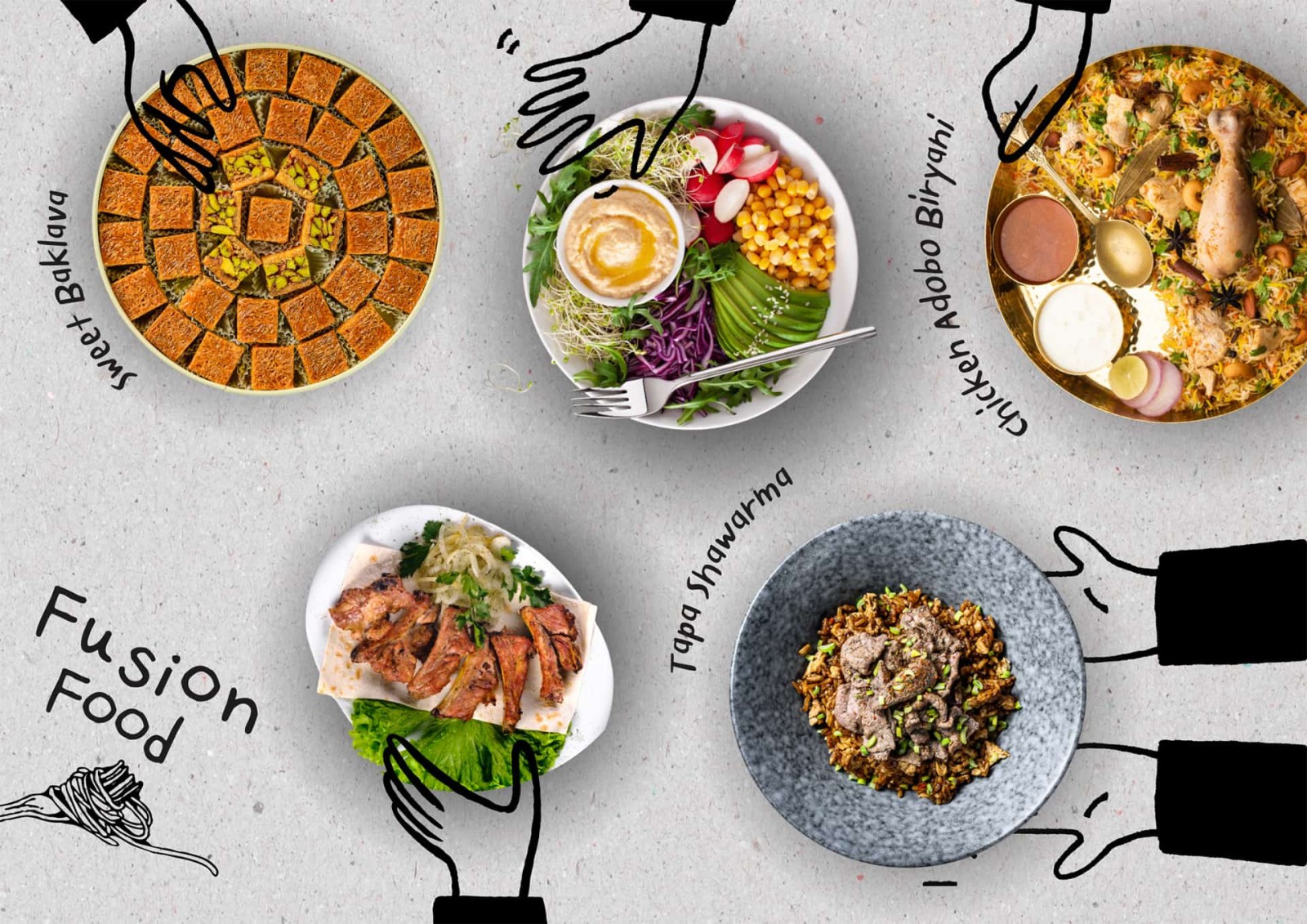
Check out these food fusions between Filipino and Middle Eastern cuisines
The unending quest for healthy and sustainable food amid changing lifestyles
A quick look at the Philippine food staple often getting a bad health rap