
How to Make your Brand Stand Out
Being a newbie in any industry is tough, most especially in the cutthroat world of food and bever-ag...

CITEM advises all exhibitors, buyers, suppliers, service providers, partners, stakeholders, and the public to remain vigilant against unauthorized individuals, groups, or third-party entities falsely claiming to represent CITEM and its official programs and events.
These unauthorized communications may be sent through email, calls, SMS/text messages, social media, messaging applications, websites, or other digital channels. They may involve the alleged selling, distribution, or unauthorized access to CITEM data, databases, or contact lists. They may also involve solicitations, donation requests, sponsorship offers, payment instructions, or other monetary requests using the name of CITEM, its officials, personnel, events, or partners.
Please be reminded:
Official CITEM communications are sent only through verified official channels and corporate email domains, including @citem.com.ph.
CITEM does not authorize any individual, third-party entity, or unofficial representative to sell, distribute, share, or provide access to its official data, databases, contact lists, or stakeholder information.
CITEM does not authorize donations, sponsorship payments, direct fund transfers, e-wallet payments, or other monetary transactions through personal accounts or unofficial channels.
Do not click links, download attachments, reply, provide information, or make payments in response to suspicious communications.
If you receive any suspicious communication claiming to be connected with CITEM, please verify directly with your official project focal point or through CITEM’s official communication channels.
Thank you for your continued cooperation and vigilance.
Center for International Trade Expositions and Missions
July 01, 2026
Experience a fusion of heritage and shelf-stable innovation that brings authentic island flavors to dinner tables worldwide.
Food trends today are clear: consumers everywhere want authenticity, bold flavors, and plant-based options. In fact, the vegan food industry in the U.S. reached $5 billion in 2020, while Europe has seen plant-based demand surge by over 200% in recent years. At the same time, Asian cuisine is climbing the charts. According to Innova Market Insights, two out of three consumers worldwide are willing to try new international foods, with Asian cuisine ranking as the second most preferred after local dishes.
This growing appetite for global flavors opens the door for something uniquely Filipino: Laing.
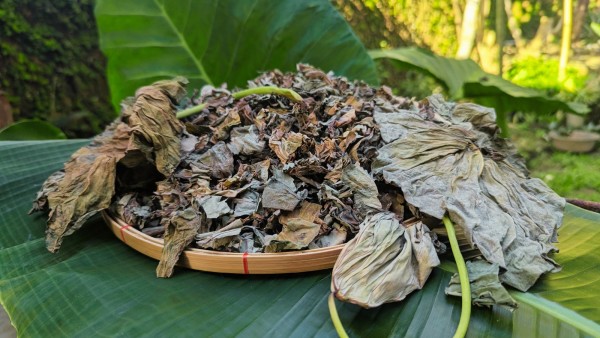
Dried taro leaves, the main ingredients in cooking the laing. Shot by TripplesPH.
Laing ticks all the boxes! It’s naturally vegetarian (and easily vegan), packed with bold, creamy-spicy flavors, and deeply rooted in culture. Think of it as a dish that feels comforting yet adventurous — perfect for modern consumers seeking authentic experiences. With Asian flavors trending globally, laing’s fiery and creamy profile can stand proudly alongside Thai curries or Malaysian laksa.
Market Research Future even projects the Asian food market to hit US $269.9 billion by 2032, signaling strong opportunities for regional specialties like laing to carve out a niche.
Laing, which also means “dried leaves” in Tagalog, is a dish shaped by the Philippines’ tropical climate. Its main ingredients include dried taro leaves (gabi), ginger, garlic, and chili peppers, slowly simmered in coconut milk and coconut cream until tender. Some recipes add shrimp paste (bagoong) or crab paste for a savory kick, though these can be omitted for a vegan-friendly option. According to Bicol-based brand QueRica, certain traditional versions even use a local taro variety called balitaka.
Laing’s signature ingredient—dried taro leaves—originated as a practical response to Bicol’s typhoon season, where drying helped preserve the leaves for later use. Drying preserved the leaves and removed calcium oxalate crystals that can make fresh leaves itchy if not cooked right. What started as a practical hack became a culinary tradition that gives laing its unique texture and concentrated flavor—an example of how local knowledge evolves into lasting food practices.
From local innovation to global demand
Here’s the challenge: Laing was traditionally made fresh, which doesn’t work for international shipping. Enter Filipino MSMEs, who’ve stepped up with shelf-stable versions—bottled laing, vacuum-packed meals, and ready-to-heat dishes. These innovations preserve the authentic taste while meeting global standards for convenience and safety.
These formats are already finding placement in overseas Filipino retail channels and Asian grocery distributors in key markets such as the United States, Canada, the Middle East (particularly the UAE and Saudi Arabia), and parts of Europe where demand for Filipino prepared meals continues to grow alongside diaspora food retail.
Beyond convenience, laing also carries strong nutritional value. It is naturally rich in dietary fiber, iron, and calcium, while remaining plant-based. Vegan-adapted versions—prepared without animal-based flavorings and using purely plant-derived coconut cream and aromatics—position laing within the growing global plant-based ready meal category, where consumers are actively seeking traditional dishes that align with vegan and flexitarian diets.
For entrepreneurs, this isn’t just about exporting food; it’s about sharing a piece of culture with a wider audience. By combining heritage with innovation, MSMEs are positioning laing as a strong contender in the growing premium segment for authentic, ready-to-eat meals.
Imagine this: a dish rich with the sweet creaminess of coconut milk, contrasted by a fiery kick of chili. This is laing, a beloved classic that reflects a place, a culture, and now, an emerging star in the global food scene.
Laing’s rise reflects a bigger movement: Filipino heritage dishes finding their place in international markets. For modern Filipinos, this is something to celebrate — our flavors, our stories, reaching tables across the globe. It's a pride you can taste.
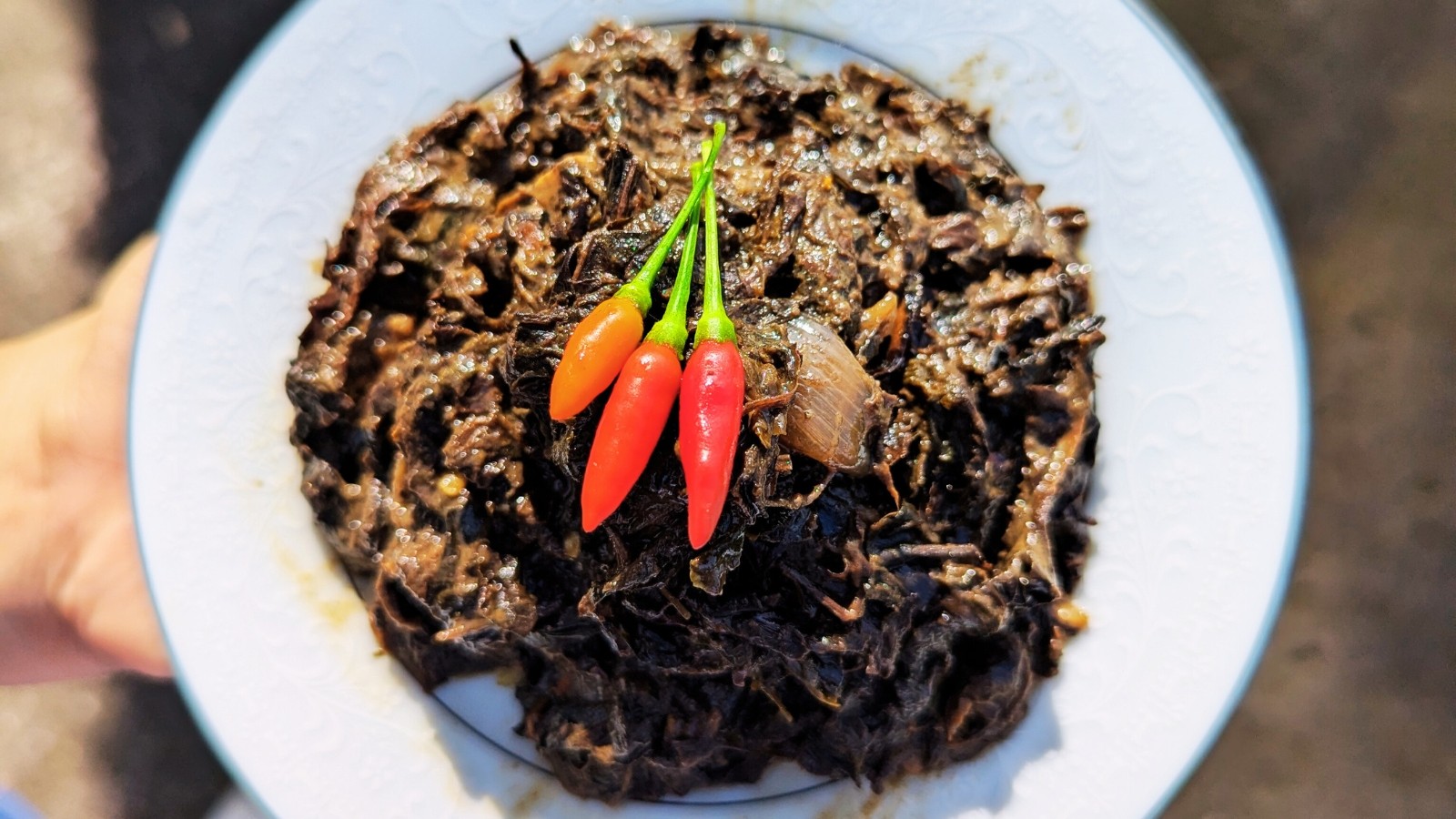
Banner Image Caption:
Laing, a Filipino dish composed of dried taro leaves and coconut milk. Shot by Tripples
Being a newbie in any industry is tough, most especially in the cutthroat world of food and bever-ag...

In April 2020, mountains of surplus broccoli and cauliflower were pictured decaying in the Mountain...

A country renowned for its pristine beaches and infectious hospitality, the Philippines is also the...

Check out these food fusions between Filipino and Middle Eastern cuisines
The unending quest for healthy and sustainable food amid changing lifestyles
A quick look at the Philippine food staple often getting a bad health rap