
How to Make your Brand Stand Out
Being a newbie in any industry is tough, most especially in the cutthroat world of food and bever-ag...

CITEM advises all exhibitors, buyers, suppliers, service providers, partners, stakeholders, and the public to remain vigilant against unauthorized individuals, groups, or third-party entities falsely claiming to represent CITEM and its official programs and events.
These unauthorized communications may be sent through email, calls, SMS/text messages, social media, messaging applications, websites, or other digital channels. They may involve the alleged selling, distribution, or unauthorized access to CITEM data, databases, or contact lists. They may also involve solicitations, donation requests, sponsorship offers, payment instructions, or other monetary requests using the name of CITEM, its officials, personnel, events, or partners.
Please be reminded:
Official CITEM communications are sent only through verified official channels and corporate email domains, including @citem.com.ph.
CITEM does not authorize any individual, third-party entity, or unofficial representative to sell, distribute, share, or provide access to its official data, databases, contact lists, or stakeholder information.
CITEM does not authorize donations, sponsorship payments, direct fund transfers, e-wallet payments, or other monetary transactions through personal accounts or unofficial channels.
Do not click links, download attachments, reply, provide information, or make payments in response to suspicious communications.
If you receive any suspicious communication claiming to be connected with CITEM, please verify directly with your official project focal point or through CITEM’s official communication channels.
Thank you for your continued cooperation and vigilance.
Center for International Trade Expositions and Missions
July 13, 2026
From the nipa palms of Luzon to the spiced coconuts of Mindanao, Filipino vinegars offer a unique sour profile ready for the global palate.
With over 7,000 islands filled with coconut trees, nipa palms, and sugarcane fields, the Philippines is naturally suited for fermentation. For centuries, locals have used this abundance to create unique condiments that showcase their region's terroir.
Across the archipelago, unique fermentation traditions have given rise to a wide range of vinegars: from the heirloom sukang paombong (nipa palm vinegar), sukang maasim (sour vinegar), and sukang tuba (coconut sap vinegar) to the spicy kick of pinakurat and the aromatic blend of sinamak.
In Luzon, located in the northern Philippines, the dominant profile is earthy and sharp, often derived from sugarcane. This variety, known as Sukang Iloko, is a staple in the Ilocos Region and pairs perfectly with local favorites like bagnet (deep-fried crispy pork belly) and empanada (savory pastry). Top exporters like Philippine Aslam Corporation champion this heritage through their premium Sukang Iloko lines, ensuring authentic Iloko flavor reaches kitchens abroad.
Moving to Central Luzon, we find the famous Sukang Paombong. Hailing from Bulacan, dubbed the “Vinegar Capital of the Philippines,” this vinegar is celebrated for its salty-sweet profile, made from nipa palm sap.
Further south in the Visayas, Sukang Tuba remains a widely used regional vinegar. This coconut sap vinegar is typically spiced with chilis, garlic, and ginger, offering a sweet, tangy balance. Companies like North Ridge Foods Company Inc. have elevated these regional recipes through their Barrio Fiesta Gourmet Series Vinegar, making them accessible to international markets.
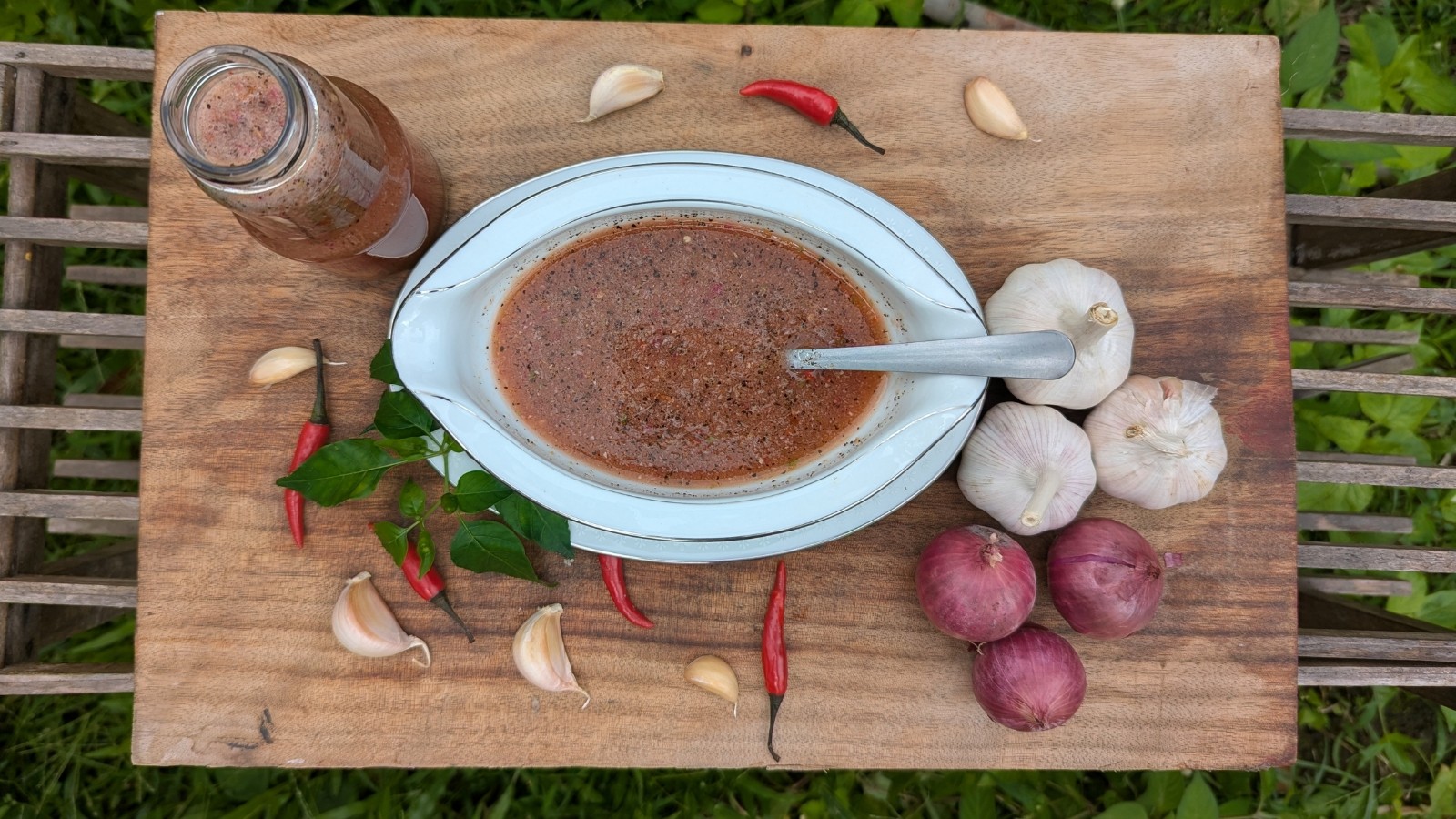
Finally, in Mindanao, the famous Pinakurat from Iligan City offers a spicy kick using fermented coconut sap mixed with spices to round off the acidity.
Collectively, the distinct flavors of these traditional vinegars have become essential in cooking globally loved recipes like adobo (braised meat in vinegar and soy sauce), paksiw (stewed fish or meat in vinegar), and kinilaw (raw seafood cured in vinegar).
The tradition of Filipino vinegar making is deeply rooted in history. Dating back to pre-colonial days, natives relied on vinegar's acidity to hinder bacterial growth and preserve food. Historically, fermented vinegar was stored in tapayan and banga (earthenware jars), allowing the liquid to breathe and mature.
Today, this tradition of fermentation extends beyond vinegar to other kitchen staples like bagoong (fermented fish paste), patis (fish sauce), and atchara (pickled papaya). These practices did not emerge suddenly in modern kitchens; they evolved from long-standing preservation methods developed to extend shelf life in tropical conditions. Exhibitors at IFEX Philippines are now modernizing these ancient techniques.
For instance, Quezon's Best has innovated on the traditional coconut sap by producing Organic Coconut Balsamic. This premium product bridges the gap between traditional Filipino ingredients and high-end global condiments.
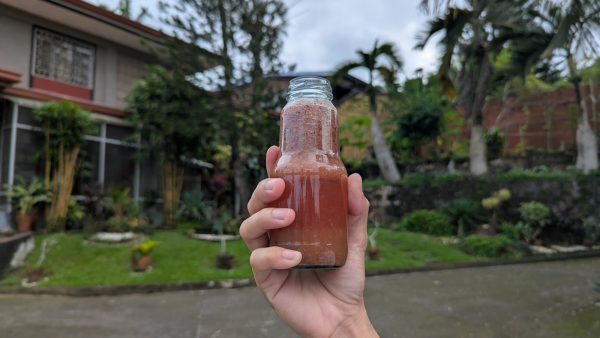
Sukang Pinakurat (spiced natural coconut vinegar). Shot by Tripples
The beauty of traditional Filipino vinegars lies not only in their robust flavors, which elevate the profile of every dish, but also in their natural health benefits.
Traditional vinegars are often infused with ingredients like chilis, garlic, and ginger, which are known for their antibacterial and anti-inflammatory properties. Furthermore, coconut-based vinegars are naturally rich in vitamins and potassium, positioning them as a healthier alternative in the global condiment aisle.
Unlike the sharp tartness of standard white vinegar, varieties like sukang tuba and paombong offer a complex, yeasty richness similar to kombucha or natural wine. This unique profile allows modern chefs to innovate and experiment by using spiced coconut vinegar to cut through the richness of high-quality fatty meats, adding sugarcane vinegar to craft cocktail shrubs, or elevating ceviche-style dishes with the distinctive kick of pinakurat.
Philippine vinegar traditions reflect a broader food culture shaped by preservation, adaptation, and regional diversity. What began as practical fermentation techniques has evolved into a platform for culinary innovation, with traditional acids now serving both everyday cooking and modern gastronomy.
Connect with these Filipino vinegar producers and exporters at IFEXConnect, our year-round digital platform for discovering premium Philippine food and ingredients, building global connections, and exploring new business opportunities.
Being a newbie in any industry is tough, most especially in the cutthroat world of food and bever-ag...

In April 2020, mountains of surplus broccoli and cauliflower were pictured decaying in the Mountain...

A country renowned for its pristine beaches and infectious hospitality, the Philippines is also the...

Check out these food fusions between Filipino and Middle Eastern cuisines
The unending quest for healthy and sustainable food amid changing lifestyles
A quick look at the Philippine food staple often getting a bad health rap