
How to Make your Brand Stand Out
Being a newbie in any industry is tough, most especially in the cutthroat world of food and bever-ag...

CITEM advises all exhibitors, buyers, suppliers, service providers, partners, stakeholders, and the public to remain vigilant against unauthorized individuals, groups, or third-party entities falsely claiming to represent CITEM and its official programs and events.
These unauthorized communications may be sent through email, calls, SMS/text messages, social media, messaging applications, websites, or other digital channels. They may involve the alleged selling, distribution, or unauthorized access to CITEM data, databases, or contact lists. They may also involve solicitations, donation requests, sponsorship offers, payment instructions, or other monetary requests using the name of CITEM, its officials, personnel, events, or partners.
Please be reminded:
Official CITEM communications are sent only through verified official channels and corporate email domains, including @citem.com.ph.
CITEM does not authorize any individual, third-party entity, or unofficial representative to sell, distribute, share, or provide access to its official data, databases, contact lists, or stakeholder information.
CITEM does not authorize donations, sponsorship payments, direct fund transfers, e-wallet payments, or other monetary transactions through personal accounts or unofficial channels.
Do not click links, download attachments, reply, provide information, or make payments in response to suspicious communications.
If you receive any suspicious communication claiming to be connected with CITEM, please verify directly with your official project focal point or through CITEM’s official communication channels.
Thank you for your continued cooperation and vigilance.
Center for International Trade Expositions and Missions
April 30, 2026
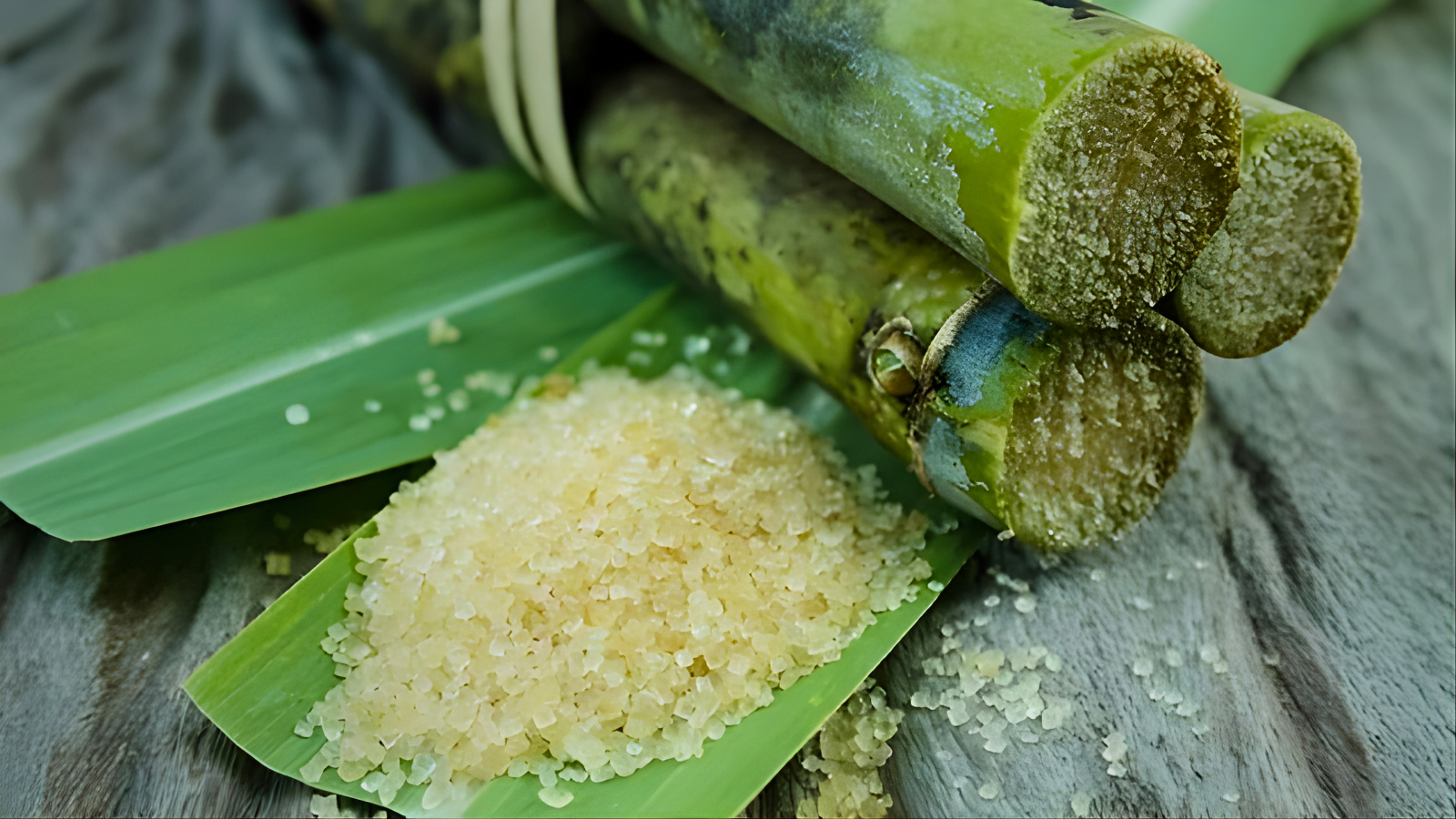
Sugar is essential to Filipino life. From traditional muscovado to modern coconut sugar, it is a staple of the nation’s flavors. Now, the Philippines is ready to take a leap, bringing its premium sugar products to a global export market.
Sugar is everywhere, quietly shaping how we eat—from bread and snacks to desserts and drinks. For decades, the global food industry has relied on refined white sugar because it is versatile and easy to mass-produce. The problem, however, is that it provides calories without meaningful nutrition. The minerals and molasses present in raw sugar limit its compatibility for baking, so these components are removed during refinement, making white sugar easier to use and consume in large quantities. This widespread consumption has been linked to growing concerns such as obesity and diabetes, while large-scale sugar production and farming place significant strain on land, water, and energy resources. As people become more mindful of what goes into their food, many have started to question whether the sugar they’re consuming is safe to eat in the long run. Because of the shifting priorities of customers, Philippine sugar has found success filling up niche needs for health-focused sugar products.
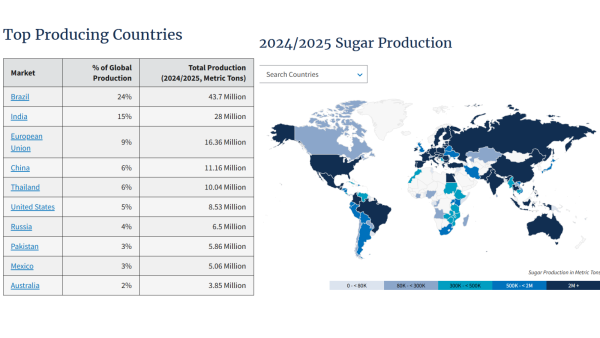
While countries like Brazil and India dominate the world market with metric tons of sugar production yearly, the Philippines takes a different approach—one that includes small-scale farming, traditional methods to produce sugars like muscovado that retain deeper flavor and character.
Sugar has long been part of Filipino cooking, adding balance even to savory dishes, and today that same tradition appeals to health-conscious consumers looking for less processed, more thoughtfully made sweeteners.
Sweeteners for the world
Philippine sugar doesn’t compete in the global market by being the cheapest on the shelf. Currently, local sugar costs more than imported alternatives, and in a market flooded with mass-produced options, Filipino farmers have learned that matching global giants in volume is a losing strategy. Instead, many have shifted their focus to what they can offer best: sugar made slowly, carefully, and by hand. This is where quality replaces quantity, and where effort becomes the value.
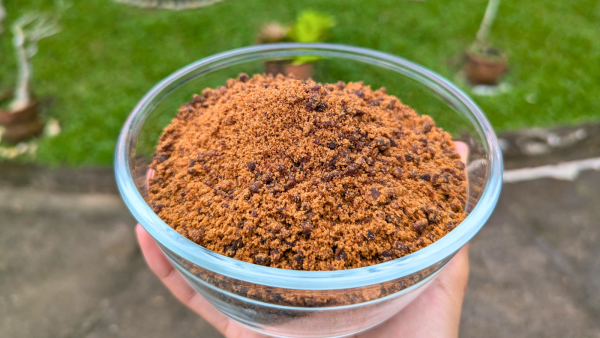
Muscovado sugar tells that story clearly. Made by boiling fresh sugarcane juice and letting it dry naturally, muscovado keeps its molasses, its deep caramel flavor, and much of the character of the cane itself. The process relies heavily on manual labor and simple tools, passed down through generations in places like Negros, Antique, and Bicol. The result is richer, bolder, and less uniform than white sugar–making it a favorite among bakers and cooks. Muscovado is produced in smaller batches, at a higher cost, and with real physical work behind every grain.
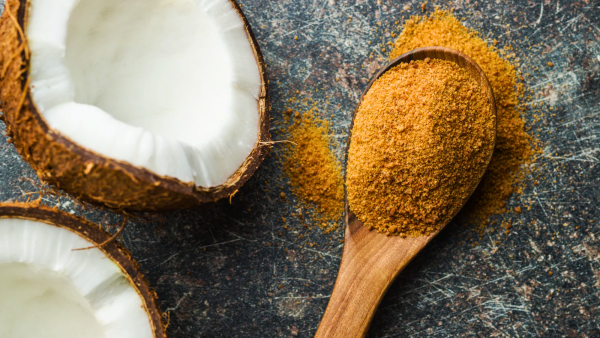
Coconut sugar follows a similar path. Harvesters climb coconut trees to collect sap from flower buds, then slowly heat it until it turns into crystals. There’s no shortcut here—just time, heat, and labor. With its mild caramel taste and minimal processing, coconut sugar reflects the Philippines’ strength as a coconut-producing country, especially in areas like Davao Region and Quezon Province, including Alabat Island. Like muscovado, it costs more to make and export, not because it’s trendy, but because it’s labor-intensive from start to finish.
As consumers become more aware of how food is made, interest in unrefined and natural sweeteners continues to grow. Philippine sugar may not dominate global markets by volume, but it fills a different space—one built on transparency, tradition, and craftsmanship. These sugars offer an alternative to mass-produced white sugar: a return to basics, where sweetness comes with a human story, and where every spoonful supports farmers who choose quality over convenience.
Championing Philippine sugar on the global stage
As the Philippine sugar industry evolves, IFEX Philippines serves as a critical platform for increasing the global competitiveness of both refined and specialty varieties. Organized by CITEM, the event spotlights a sector that ranks as the world’s 16th largest producer, with raw sugar production forecasted by the Sugar Regulatory Administration (SRA) and USDA to reach 2.08 million metric tons for the 2025–2026 crop year across 400,000 hectares of land. This growth is increasingly driven by high-value segments, with the global coconut sugar market projected to reach $2.33 billion by late 2026 and muscovado seeing a resurgence due to rising demand for organic, clean-label ingredients. By helping local producers meet rigorous international certification standards, IFEX Philippines elevates Filipino sugar as a premium export product rooted in sustainability and cultural heritage for the global market.
Discover how Philippine sugar and other homegrown food products are shaping global trade by visiting IFEXConnect.
Being a newbie in any industry is tough, most especially in the cutthroat world of food and bever-ag...
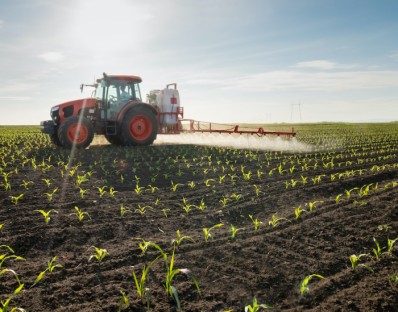
In April 2020, mountains of surplus broccoli and cauliflower were pictured decaying in the Mountain...

A country renowned for its pristine beaches and infectious hospitality, the Philippines is also the...

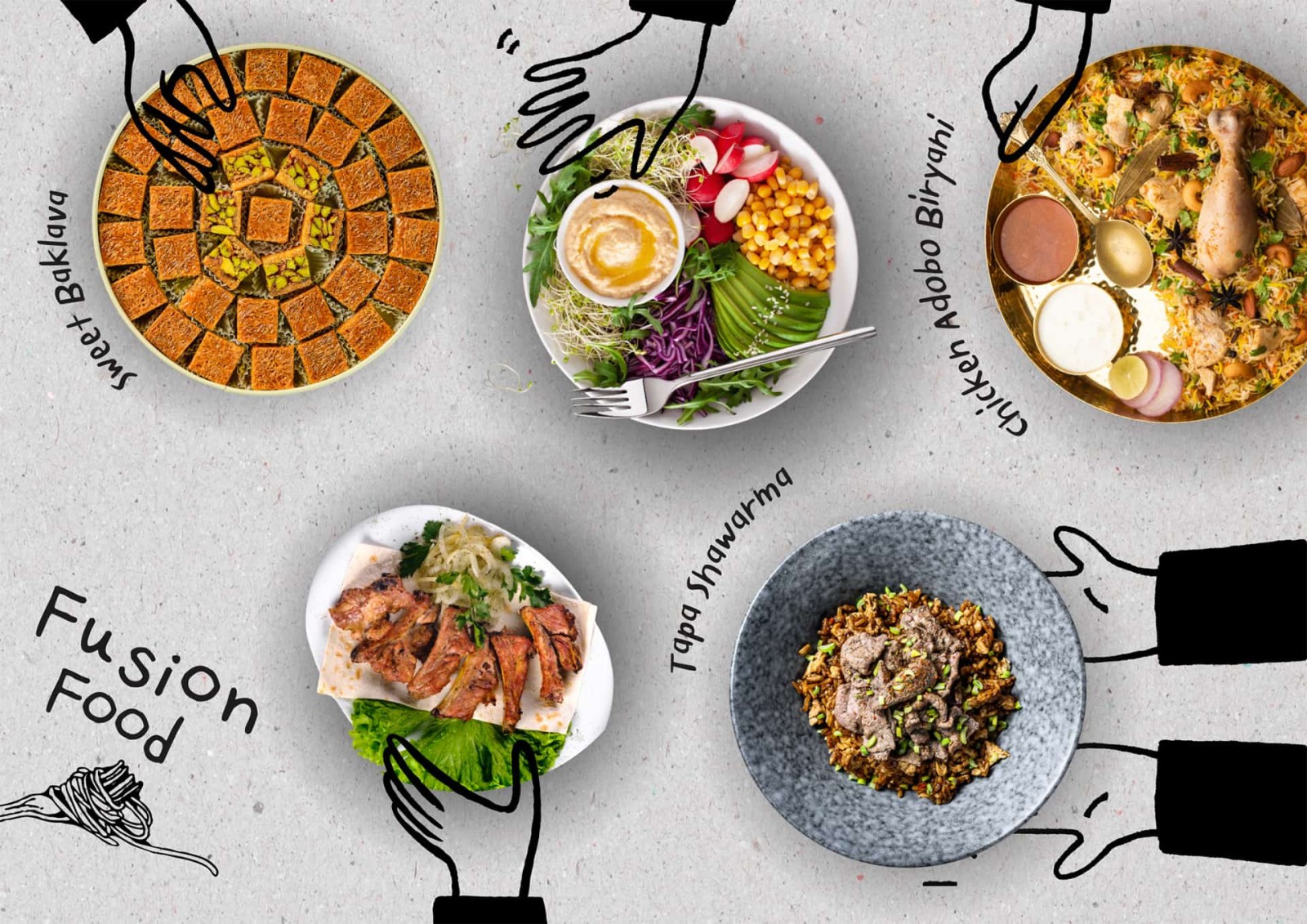
Check out these food fusions between Filipino and Middle Eastern cuisines
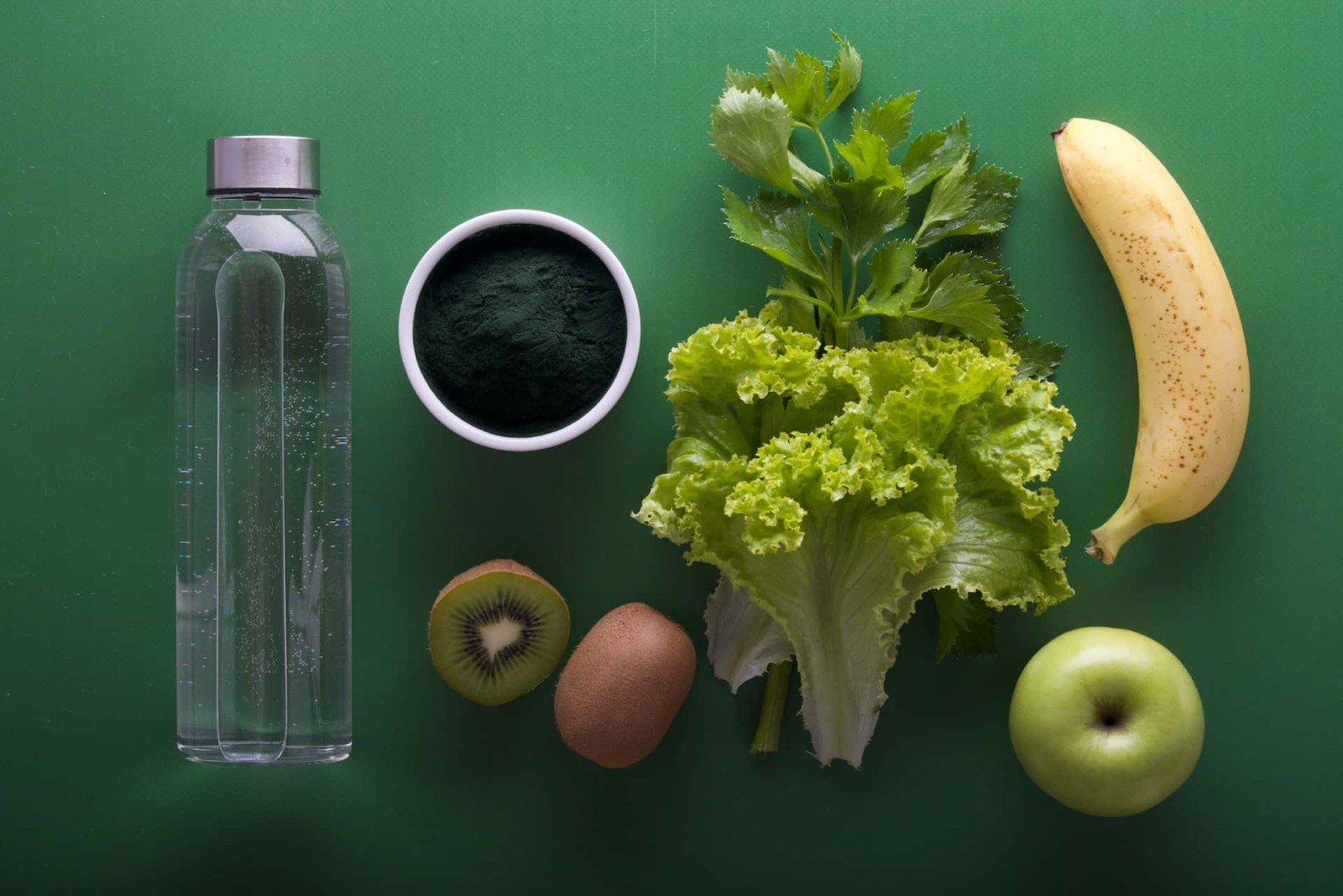
The unending quest for healthy and sustainable food amid changing lifestyles
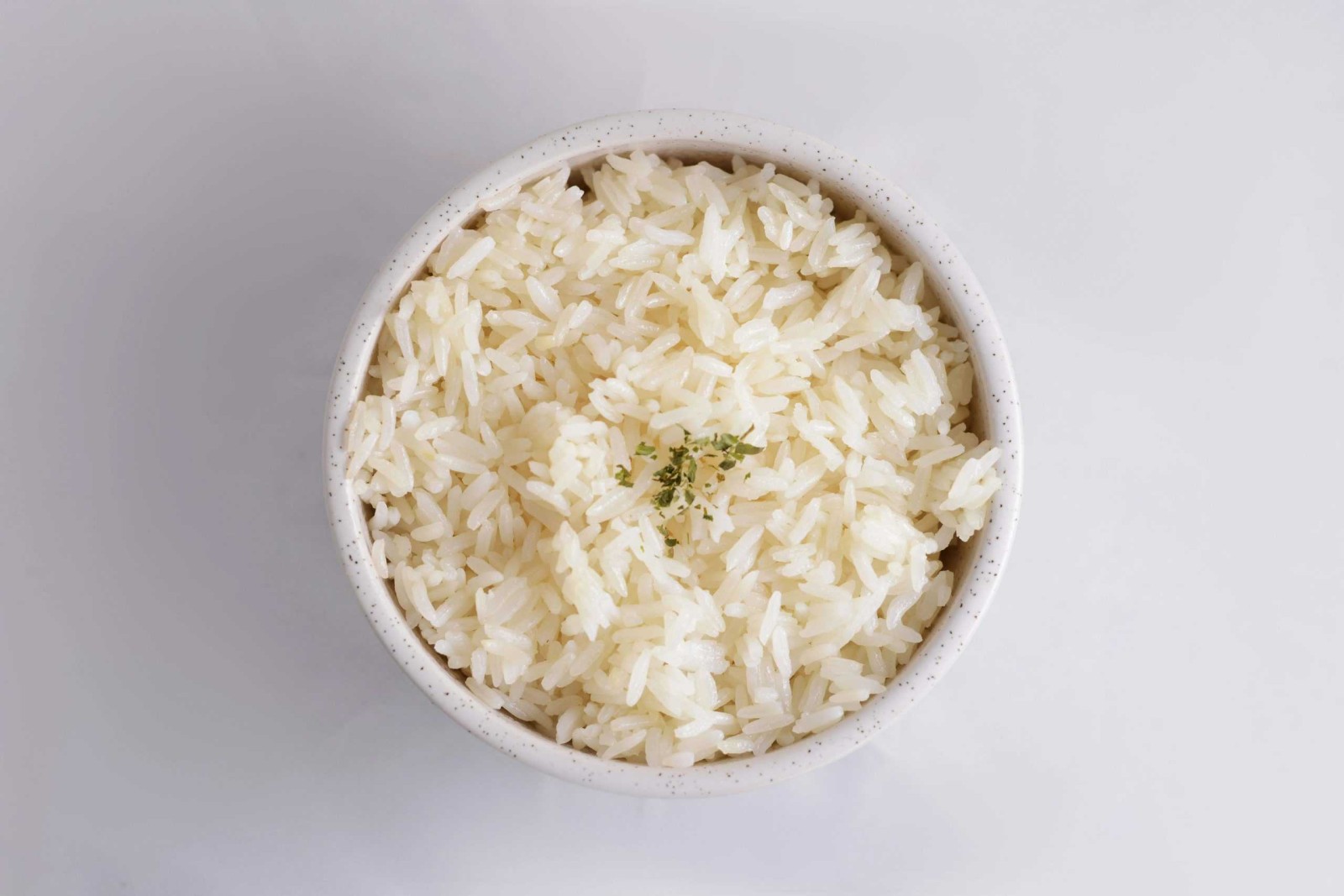
A quick look at the Philippine food staple often getting a bad health rap