
How to Make your Brand Stand Out
Being a newbie in any industry is tough, most especially in the cutthroat world of food and bever-ag...

CITEM advises all exhibitors, buyers, suppliers, service providers, partners, stakeholders, and the public to remain vigilant against unauthorized individuals, groups, or third-party entities falsely claiming to represent CITEM and its official programs and events.
These unauthorized communications may be sent through email, calls, SMS/text messages, social media, messaging applications, websites, or other digital channels. They may involve the alleged selling, distribution, or unauthorized access to CITEM data, databases, or contact lists. They may also involve solicitations, donation requests, sponsorship offers, payment instructions, or other monetary requests using the name of CITEM, its officials, personnel, events, or partners.
Please be reminded:
Official CITEM communications are sent only through verified official channels and corporate email domains, including @citem.com.ph.
CITEM does not authorize any individual, third-party entity, or unofficial representative to sell, distribute, share, or provide access to its official data, databases, contact lists, or stakeholder information.
CITEM does not authorize donations, sponsorship payments, direct fund transfers, e-wallet payments, or other monetary transactions through personal accounts or unofficial channels.
Do not click links, download attachments, reply, provide information, or make payments in response to suspicious communications.
If you receive any suspicious communication claiming to be connected with CITEM, please verify directly with your official project focal point or through CITEM’s official communication channels.
Thank you for your continued cooperation and vigilance.
Center for International Trade Expositions and Missions
July 07, 2026
As halal-driven consumption rises worldwide, Philippine producers are sharpening their capabilities to meet international standards and tap into new export opportunities.
Global demand for halal-certified products continues to accelerate, shaped by shifting consumer priorities around safety, traceability, and ethical sourcing. What was once a niche category has evolved into a broad economic ecosystem that now spans food, ingredients, cosmetics, pharmaceuticals, and logistics. Countries across the Middle East, Southeast Asia, and South Asia, along with emerging halal-conscious markets in Europe and North America, are steadily increasing imports of certified goods that meet stringent preparation and quality benchmarks.
This changing landscape offers a strong opening for producers that can demonstrate both compliance and consistency. For the Philippines, an established exporter of agricultural goods and processed foods, halal standards are becoming an important pathway to deeper participation in global value chains.
Halal certification ensures that products follow rigorous guidelines on sourcing, handling, and processing. While essential to Muslim-majority markets such as Saudi Arabia, the UAE, Indonesia, and Malaysia, these standards increasingly resonate with broader consumers who prioritize transparency and hygiene.
According to industry estimates, the global halal economy is projected to reach US$7.7 trillion in value, with food as its largest segment. The expansion is driven not only by population growth but also by rising expectations for certified, high-quality goods, especially in fast-growing markets across the Gulf and Southeast Asia.
The Philippines continues to strengthen its export capabilities through programs led by the Department of Trade and Industry (DTI), which promotes the country’s participation in international food supply chains. Within this broader strategy, halal compliance is becoming a key focus area, aligning with the Philippine Halal Industry Development Strategic Plan (2023–2028).
Government agencies work together to enhance local certification and technical capacity, fulfilling the following tasks:
These institutions provide exporters with a clearer pathway to meet international requirements, making it easier for producers to diversify into halal-ready goods.
Further aligning with global halal demand is the growing number of Philippine-made products that meet halal export requirements. These include premium rice varieties, fruit-based ingredients, coconut derivatives, snacks, beverages, ready-to-eat items, and various health and personal care products. Many of these categories already have strong recognition in regional markets, giving Filipino producers a foundation to expand into halal-conscious markets.
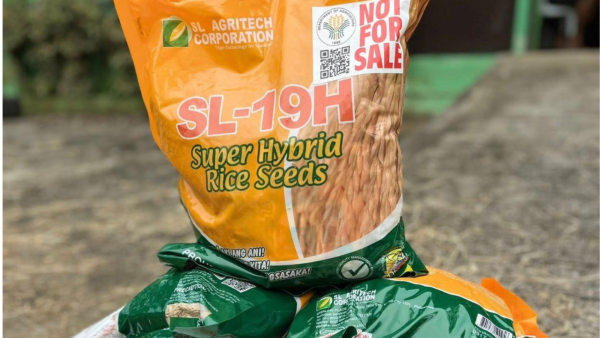
SL Agritech as a case study in certification and global alignmentA number of local exporters are already integrating halal standards as part of their broader quality approach. Among them is SL Agritech Corporation, whose Doña Maria premium rice varieties, such as Jasponica and Miponica, carry halal certification alongside International Organization for Standardization (ISO), Hazard Analysis and Critical Control Point (HACCP), and Good Manufacturing Practices (GMP) credentials.
This multi-standard compliance strengthens their competitiveness in the Middle East, Southeast Asia, and other import destinations that require proven food safety systems. SL Agritech’s participation in international trade shows, including IFEX Philippines, also shows how Philippine companies position themselves globally through certification, innovation, and consistent production quality.
As halal consumption continues to rise worldwide, Philippine producers are increasingly equipped to meet the needs of this expanding market. With stronger certification systems and committed exporters, the country is steadily enhancing its visibility in the global halal landscape.
To explore more stories on Philippine food exports and emerging global trends, visit and explore the digital storefronts of exhibitors at IFEXConnect.com.
Banner Image Caption:
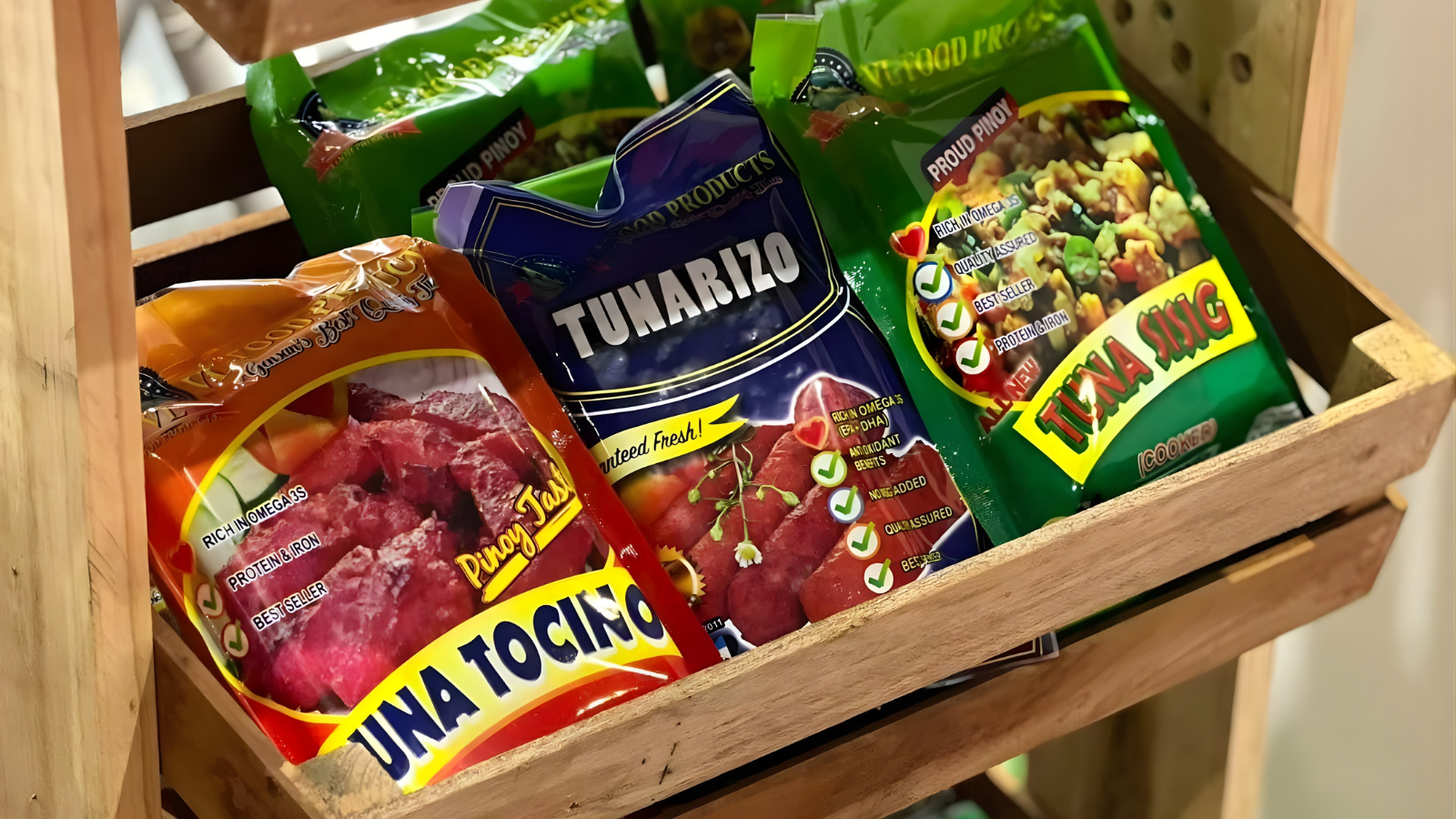
VL Food Products are some of the Halal-Certified foods in the Philippines. Photo Courtesy to VL FOOD PRODUCTS-Central Office
Being a newbie in any industry is tough, most especially in the cutthroat world of food and bever-ag...
In April 2020, mountains of surplus broccoli and cauliflower were pictured decaying in the Mountain...
A country renowned for its pristine beaches and infectious hospitality, the Philippines is also the...

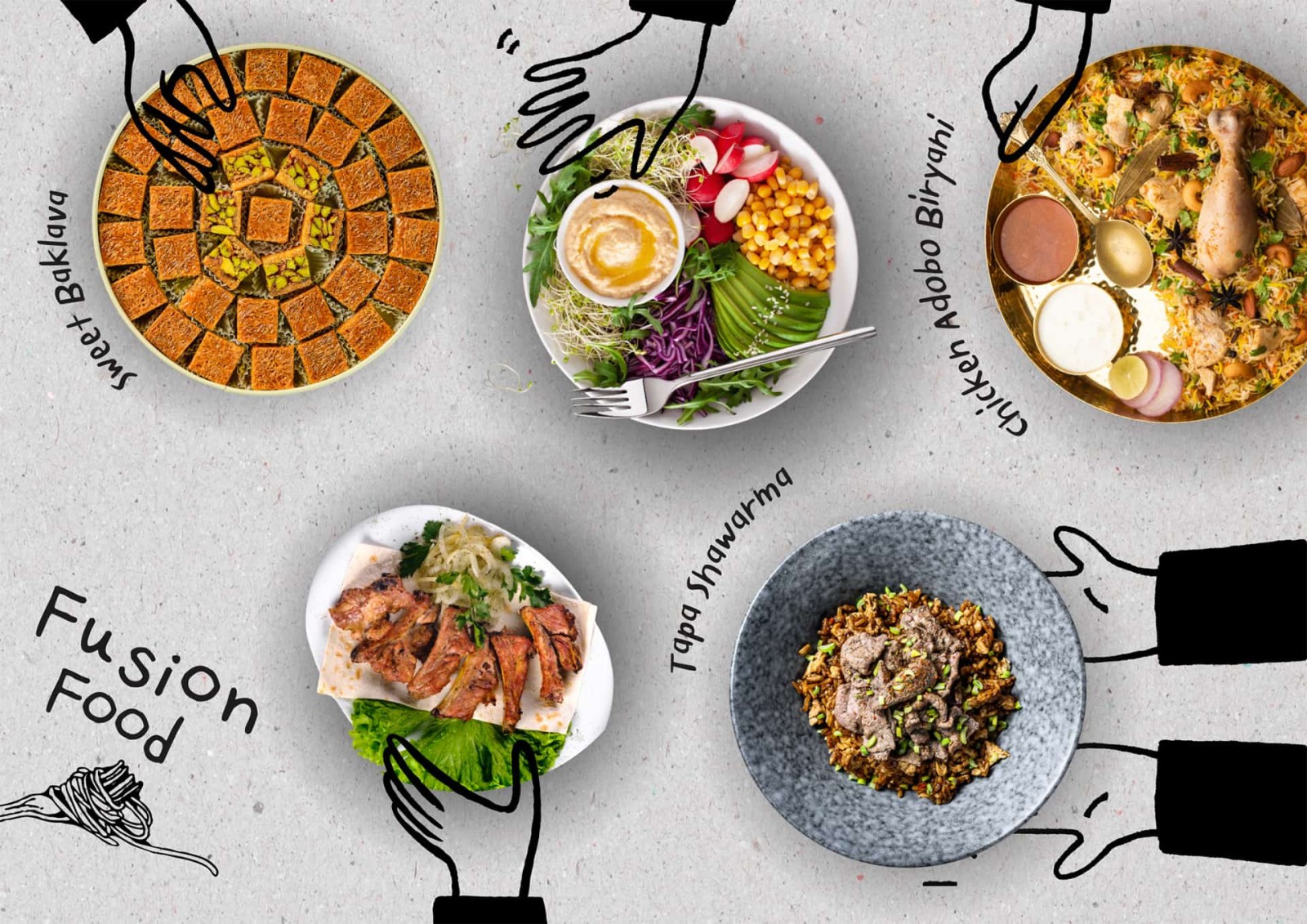
Check out these food fusions between Filipino and Middle Eastern cuisines
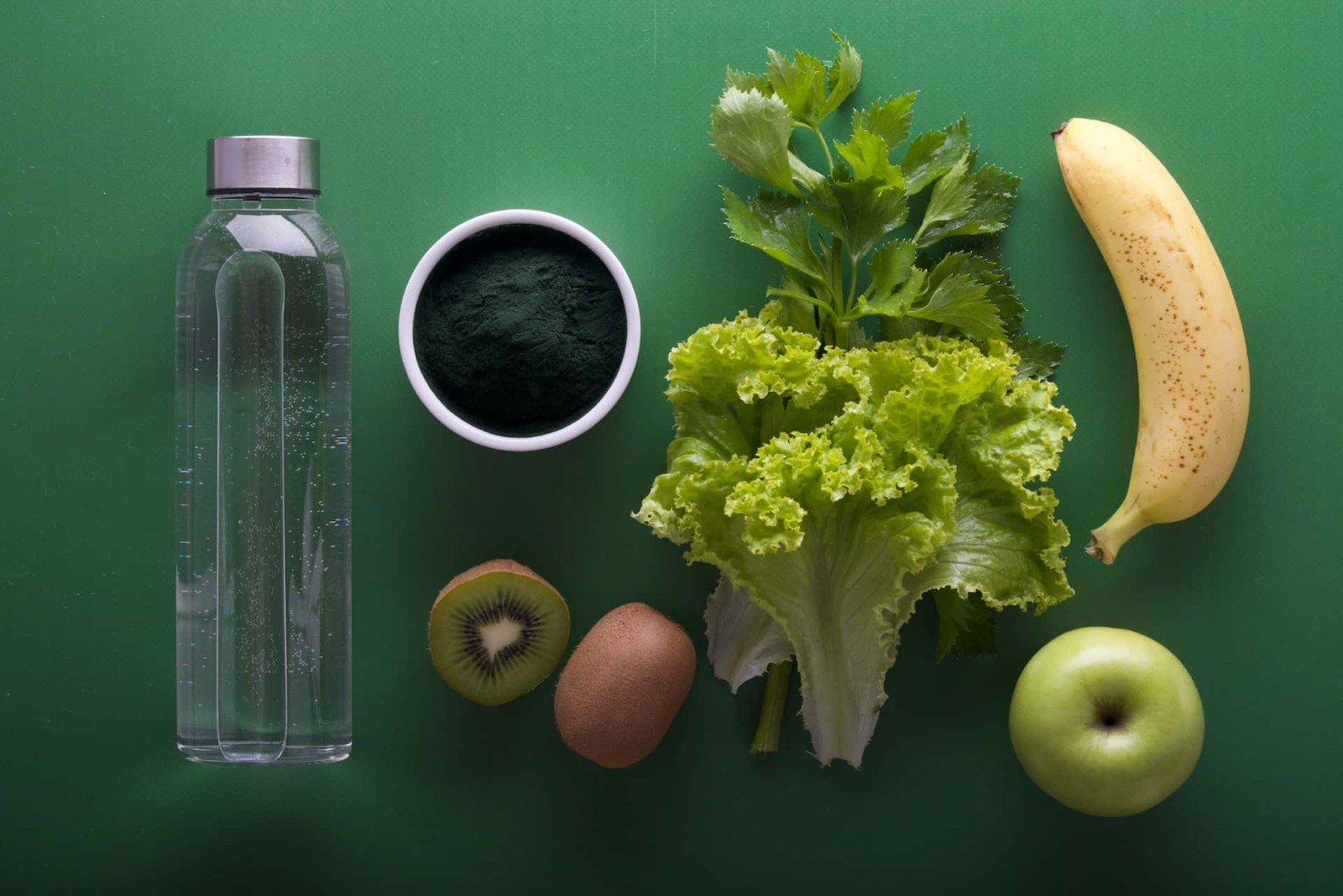
The unending quest for healthy and sustainable food amid changing lifestyles
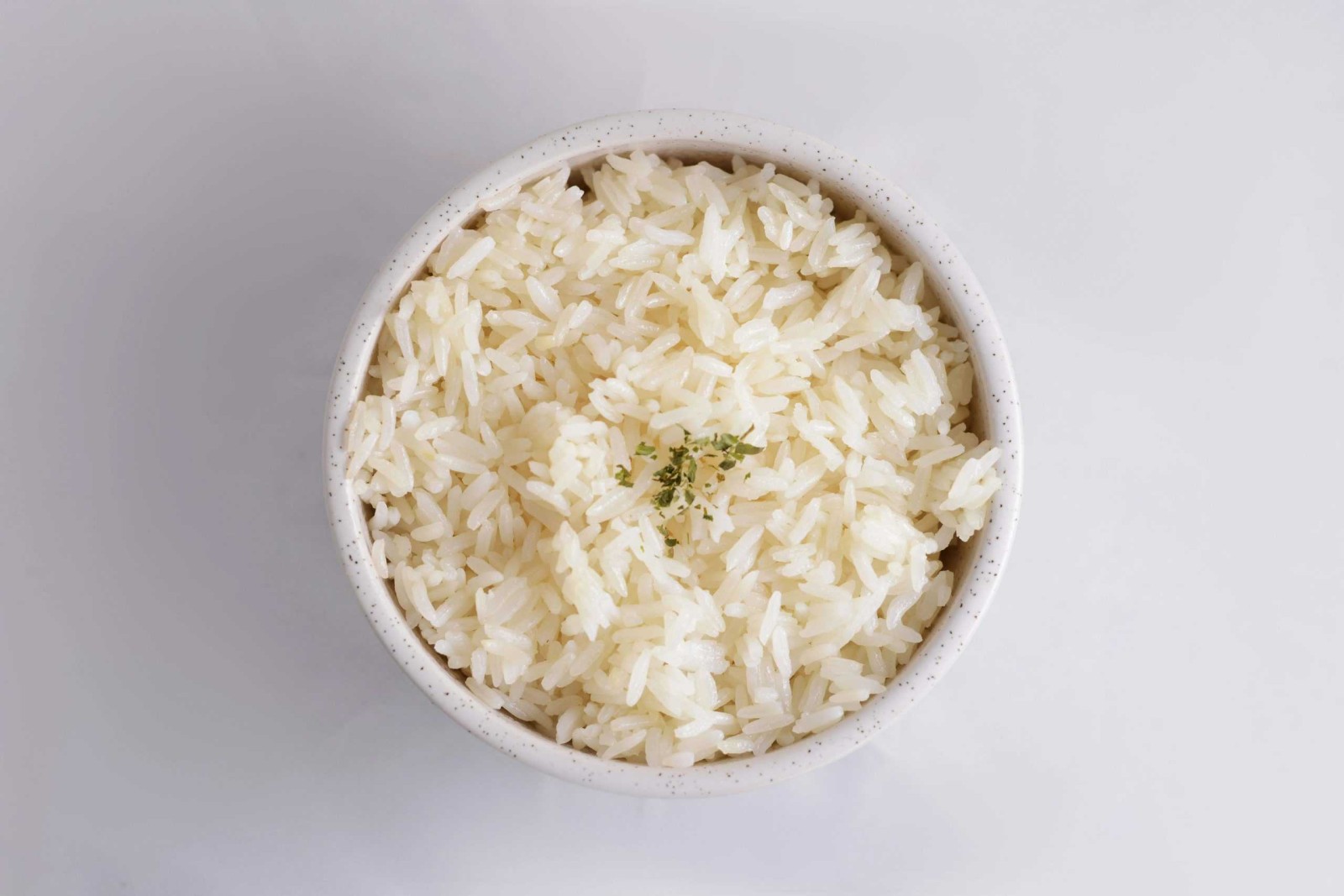
A quick look at the Philippine food staple often getting a bad health rap