
How to Make your Brand Stand Out
Being a newbie in any industry is tough, most especially in the cutthroat world of food and bever-ag...

CITEM advises all exhibitors, buyers, suppliers, service providers, partners, stakeholders, and the public to remain vigilant against unauthorized individuals, groups, or third-party entities falsely claiming to represent CITEM and its official programs and events.
These unauthorized communications may be sent through email, calls, SMS/text messages, social media, messaging applications, websites, or other digital channels. They may involve the alleged selling, distribution, or unauthorized access to CITEM data, databases, or contact lists. They may also involve solicitations, donation requests, sponsorship offers, payment instructions, or other monetary requests using the name of CITEM, its officials, personnel, events, or partners.
Please be reminded:
Official CITEM communications are sent only through verified official channels and corporate email domains, including @citem.com.ph.
CITEM does not authorize any individual, third-party entity, or unofficial representative to sell, distribute, share, or provide access to its official data, databases, contact lists, or stakeholder information.
CITEM does not authorize donations, sponsorship payments, direct fund transfers, e-wallet payments, or other monetary transactions through personal accounts or unofficial channels.
Do not click links, download attachments, reply, provide information, or make payments in response to suspicious communications.
If you receive any suspicious communication claiming to be connected with CITEM, please verify directly with your official project focal point or through CITEM’s official communication channels.
Thank you for your continued cooperation and vigilance.
Center for International Trade Expositions and Missions

April 28, 2026
As the world’s palate shifts toward high-acid, nutrient-dense ingredients, the Philippines is scaling its "golden lime" from a local staple to a global culinary disruptor.
Around the world, consumers are seeking citrus ingredients for beverages, sauces, and functional foods. Global food manufacturers are responding by sourcing versatile citrus bases that deliver authentic flavor and nutritional benefits. This trend has opened opportunities for tropical fruits to enter mainstream markets, especially those that offer unique taste profiles and sustainability attributes.
The Philippine Department of Agriculture (DA) recognizes calamansi as one of the country’s most important fruit crops, ranking fourth in production next to banana, mango, and pineapple. With processing technology and research support from local agencies, Filipino companies have successfully developed concentrated and extract forms that retain calamansi’s flavor, aroma, and nutritional benefits, making it easier to distribute and export worldwide.
These extracts and concentrates have become highly sought after in markets like South Korea, Japan, and North America, where consumers value their natural vitamin C content and distinctive tropical acidity. Producers like Soyuz Foods International, which helped pioneer calamansi extract manufacturing for export, continue to invest in research and partnerships with farmers to ensure sustainable sourcing and year-round supply.
Innovation and product diversity
The wide variety of calamansi-based products, such as those being showcased at food trade shows like IFEX Philippines, reflects both creativity and advanced food technology. Beyond pure extract, producers now offer sweetened concentrates, calamansi oil, aseptic purees, cider vinegar, and freeze-dried juice powders designed for beverages, culinary applications, and even cosmetics, formats that extend shelf life and make the products viable for export.
Philippine brands have also begun securing shelf presence in Asian specialty stores, Middle Eastern groceries, and select U.S. and European retailers that cater to the growing demand for natural tropical flavors. Companies such as Hi-Las Marketing Corporation and Glory Foods Corporation have expanded their product lines to serve international buyers seeking clean-label ingredients, tapping into the global shift toward natural, minimally processed citrus bases. Fitrite, Inc. and Buergo Traders Corporation, meanwhile, supply high-quality concentrates and purees used as industrial inputs by beverage makers, dessert manufacturers, and foodservice suppliers abroad, demonstrating that calamansi is not only a niche export but also a functional ingredient with commercial value.
The competitive edge of Philippine calamansi lies in its unique hybrid profile: a complex flavor profile that standard lemons and limes cannot replicate. While it provides the intense acidity expected of a premium citrus, it is distinguished by a dual-note character: the sharp, tart juice of a lime paired with the floral, sweet-scented aromatics of a mandarin. This balance makes it a versatile ingredient for global formulators, acting as both a high-impact acidulant and a complex top-note enhancer in everything from Ready-to-Drink (RTD) beverages to gourmet marinades.
Supporting farmers and sustainable growth
Calamansi producers have also helped strengthen local agricultural communities. By working closely with farmer cooperatives, these enterprises ensure a consistent supply of raw materials while improving livelihoods in the country’s key producing regions, such as Davao and the MIMAROPA Region, comprising Mindoro, Marinduque, Romblon, and Palawan. Government initiatives and academic partnerships have further boosted yield and quality, enabling year-round production through technology and training.
Today’s calamansi exports represent a major leap forward. These processed products address long-standing barriers: fresh calamansi bruises easily, has a short post-harvest life, and loses flavor rapidly during transport. Through improved processing technologies, such as high-pressure extraction, freeze-drying, aseptic packing, and spray-drying, Filipino producers have transformed calamansi into global trade ingredients.
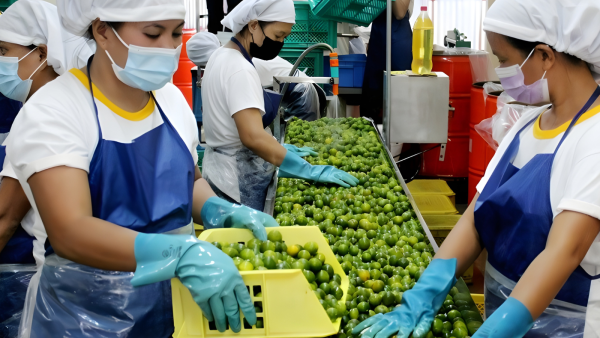
These innovations also expanded its applications. Calamansi puree and concentrates are now used by beverage manufacturers abroad for citrus blends and Ready-to-Drink (RTD) products; freeze-dried powders are incorporated into desserts, candies, and functional beverages; calamansi oil and extracts appear in marinades, sauces, and even natural skincare formulations because of their aroma and vitamin content. This shift illustrates how tradition, a citrus long used in Filipino cooking, now meets innovation to capture modern global demand for natural, versatile, and clean-label ingredients.
From household condiments to industrial-grade extracts, Philippine calamansi is proving its versatility and commercial value. Discover more about calamansi innovations and other export-ready products at IFEX Philippines 2026, happening on May 21–23 at the World Trade Center Metro Manila, Pasay City.
Being a newbie in any industry is tough, most especially in the cutthroat world of food and bever-ag...

In April 2020, mountains of surplus broccoli and cauliflower were pictured decaying in the Mountain...

A country renowned for its pristine beaches and infectious hospitality, the Philippines is also the...

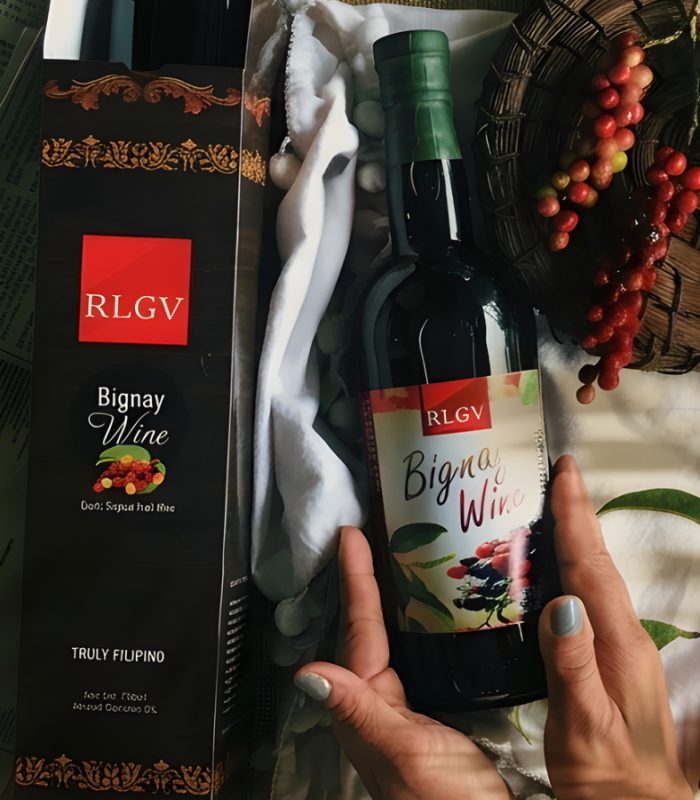
With naturally bright flavors, strong fruit-growing regions, and a growing base of specialty producers, the Philippines offers distinctive possibilities for fruit wines and fermented drinks.
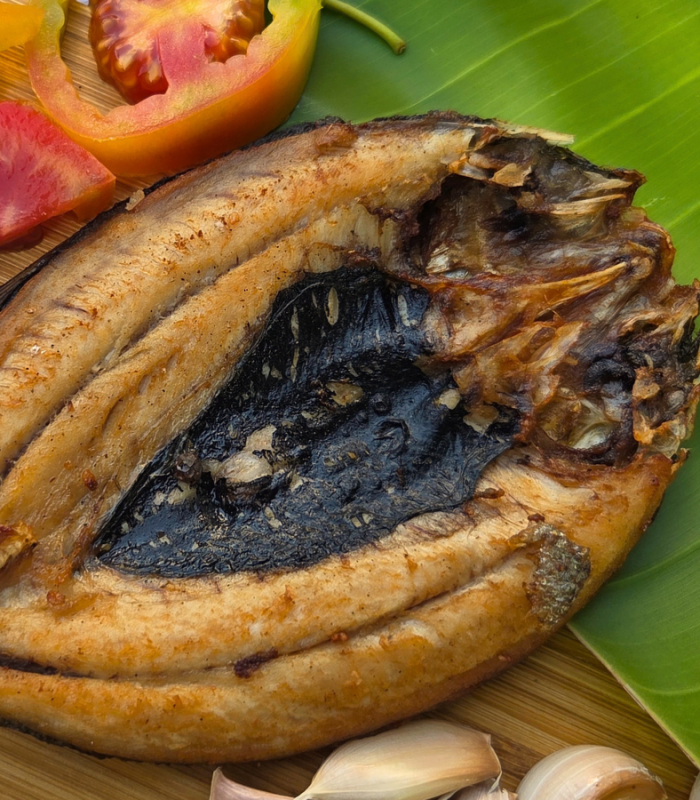
No longer just a local secret, milkfish—famously known as bangus—is quickly stepping into the international culinary spotlight, bringing its incredible versatility to dining tables around the world.
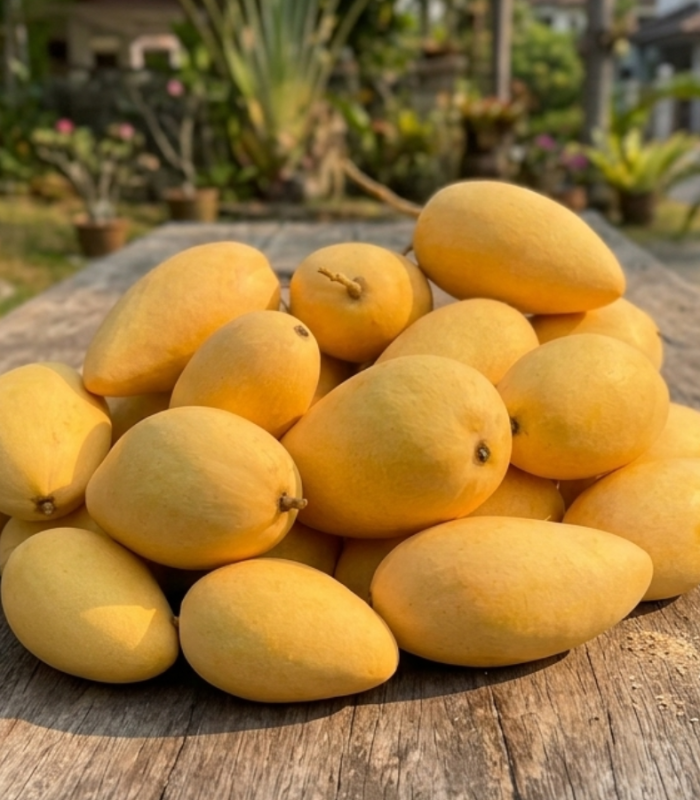
From an iconic, naturally rich sweetness to consistent year-round availability, the country’s signature fruit continuously evolves to meet sophisticated global demand.