
How to Make your Brand Stand Out
Being a newbie in any industry is tough, most especially in the cutthroat world of food and bever-ag...

CITEM advises all exhibitors, buyers, suppliers, service providers, partners, stakeholders, and the public to remain vigilant against unauthorized individuals, groups, or third-party entities falsely claiming to represent CITEM and its official programs and events.
These unauthorized communications may be sent through email, calls, SMS/text messages, social media, messaging applications, websites, or other digital channels. They may involve the alleged selling, distribution, or unauthorized access to CITEM data, databases, or contact lists. They may also involve solicitations, donation requests, sponsorship offers, payment instructions, or other monetary requests using the name of CITEM, its officials, personnel, events, or partners.
Please be reminded:
Official CITEM communications are sent only through verified official channels and corporate email domains, including @citem.com.ph.
CITEM does not authorize any individual, third-party entity, or unofficial representative to sell, distribute, share, or provide access to its official data, databases, contact lists, or stakeholder information.
CITEM does not authorize donations, sponsorship payments, direct fund transfers, e-wallet payments, or other monetary transactions through personal accounts or unofficial channels.
Do not click links, download attachments, reply, provide information, or make payments in response to suspicious communications.
If you receive any suspicious communication claiming to be connected with CITEM, please verify directly with your official project focal point or through CITEM’s official communication channels.
Thank you for your continued cooperation and vigilance.
Center for International Trade Expositions and Missions
June 23, 2026
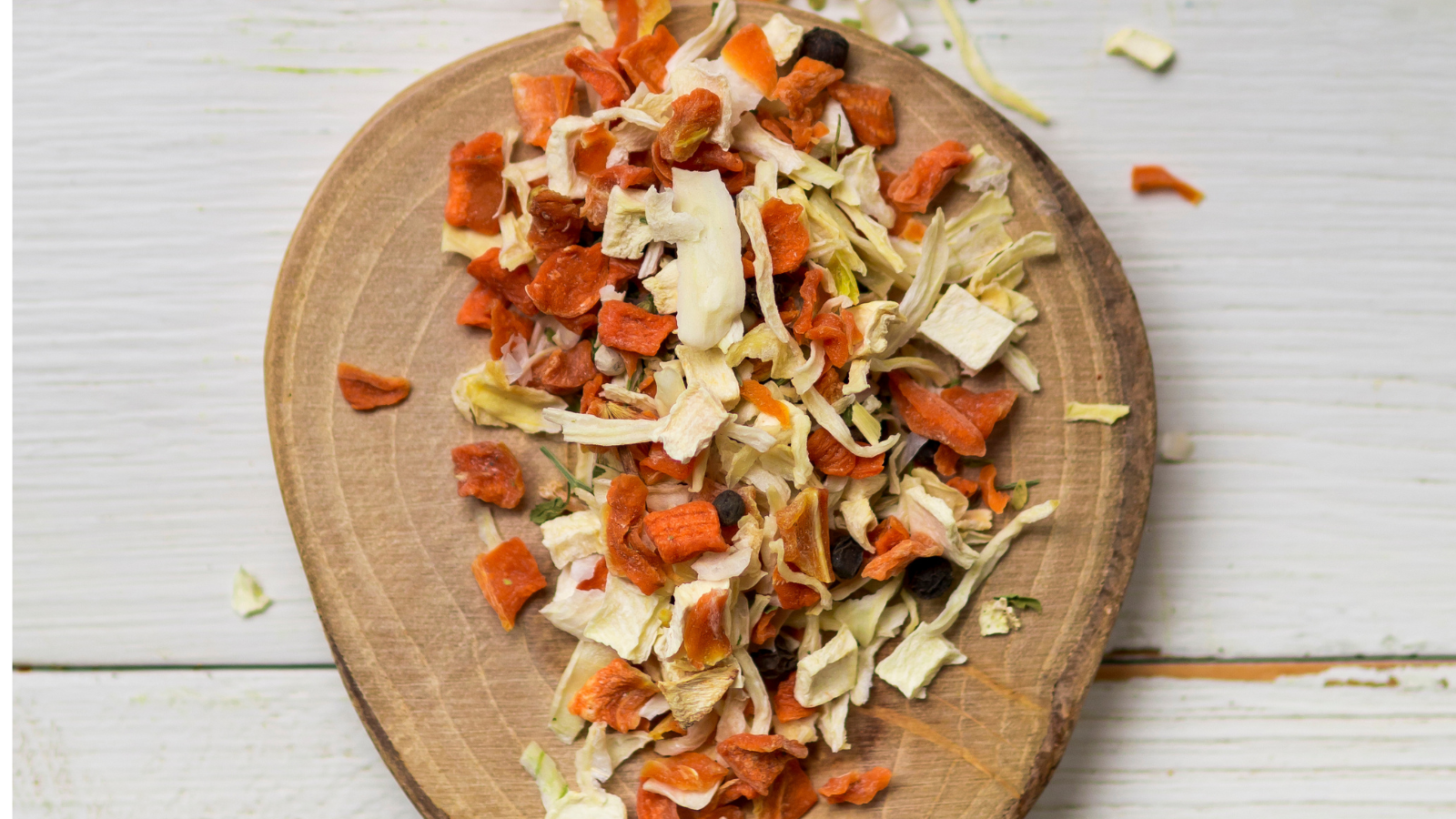
Farm staples are shedding their side-dish reputation to emerge as highly coveted, travel-friendly bites on worldwide shelves.
Veggie chips have gone mainstream. Across the world, more and more people are reaching for snacks that combine convenience, great flavor, and a healthy twist. What used to be a tiny corner of the health-food aisle is now a booming category competing with classic potato chips.
According to Ken Research, healthy fruit and vegetable chips have grown into a US$14 billion global market, with greater health awareness and a rising demand for plant-based, low-sodium snacks fueling their growth. Air-dried and baked varieties are especially popular. Research and Markets adds that the overall veggie chips segment is set to grow from US$12.7 billion in 2024 to about US$16.2 billion by 2030, proving that the craving for healthier snacks is here to stay.
Why veggies work as snacks
Vegetables work surprisingly well as snacks. For a long time, producers simply sell them fresh or lightly prepared for cooking. They wash, chop, and package veggies for salads and cooking, but their shelf life is short, and surplus produce often goes to waste.
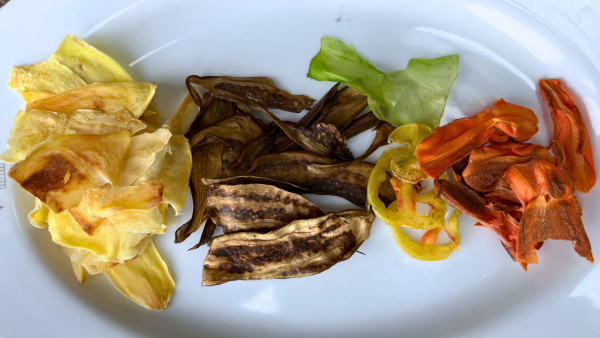
Drying, dehydrating, baking, or lightly frying vegetables can bring out their natural sweetness, preserve their bright colors, and give them a satisfying crunch. These methods help extend shelf life and cut down on waste. The final product is a snack that is versatile, easy to store, and just as appealing on the shelf as it is on the plate.
The Philippines is rich in agricultural produce year-round. Seasonal surpluses of vegetables like roots and tubers, and leafy greens can quickly go to waste if not made into other products due to a lack of storage or processing facilities. Turning these fresh veggies into chips is a great and practical way to lessen post-harvest waste. By carefully slicing, drying, or pureeing, and lightly seasoning local vegetables such as sweet potato, cassava, carrots, tomatoes, squash, moringa (malunggay), bitter gourd, string beans (sitaw), and lady fingers (okra), producers can transform surplus produce into shelf-stable snacks.
Apart from its nutritional appeal and lessening the waste, vegetable chip production opens doors for additional livelihood, especially in rural communities. In Camarines Norte, a project funded by the Bureau of Agricultural Research helped a local group called the Helping Hands Community Organization turn surplus vegetables into chips. Many of the members who are housewives and cooperative participants learned how to slice, season, and package the chips, and started selling them to earn extra income. The project also included hands-on guidance on everything from food safety to online marketing, giving members the skills to run a small, sustainable business.
The Philippines is not only positioned as a supplier to global markets but is also seeing rising domestic demand for vegetable-based snacks. As health awareness grows among Filipino consumers, there is increasing interest in alternatives to traditional fried snacks, particularly those perceived as lower in oil, higher in fiber, or made from familiar local ingredients. This shift is reflected in the growing presence of vegetable chips across supermarkets, specialty health stores, and major e-commerce platforms such as Shopee and Lazada, where both established brands and small-scale producers actively market these products.
Some of the products from local brands include sweet potato crisps, okra chips, vacuum-fried mixed veggies, and seasoned cassava sticks. The variety of formats and flavors, ranging from lightly salted to spiced and sweet-coated, indicates not just experimentation from producers but a response to a developing consumer base willing to explore vegetable-based snacks as everyday options.
This emerging domestic demand strengthens the Philippines’ position as a viable supplier for international markets. A market that consumes its own products provides a testing ground for flavor profiles, packaging formats, and price points before scaling for export. Combined with the country’s steady supply of raw materials and ongoing small-scale processing initiatives, this dynamic of local consumption and export readiness supports the development of a more resilient and market-aligned vegetable snack sector.
Even in academic and research circles, there is a great interest in studying vegetable chips, including their nutritional value, shelf stability, and processing methods. Interest from all sides of these key players shows that healthy chips have real potential as a sustainable, high-value snack product in the country.
By turning fresh produce into longer-lasting products, farmers cut down on waste and also create new sources of income while supporting local food security. And with vegetables growing year-round and a growing community of enterprising producers, the Philippines is shaping up to be a key source of healthy snacks for both local and global markets.
It is a winning formula that appeals to busy adults seeking clean nutrition and picky kids looking for a satisfying crunch—proving that when it comes to sustainable snacking, Philippine agriculture is truly top of the crop.
Being a newbie in any industry is tough, most especially in the cutthroat world of food and bever-ag...
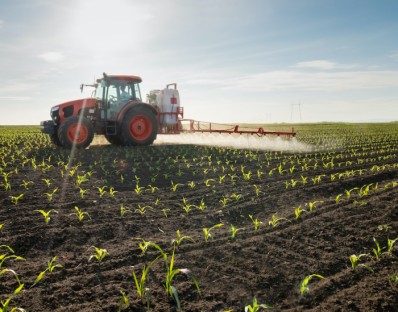
In April 2020, mountains of surplus broccoli and cauliflower were pictured decaying in the Mountain...

A country renowned for its pristine beaches and infectious hospitality, the Philippines is also the...

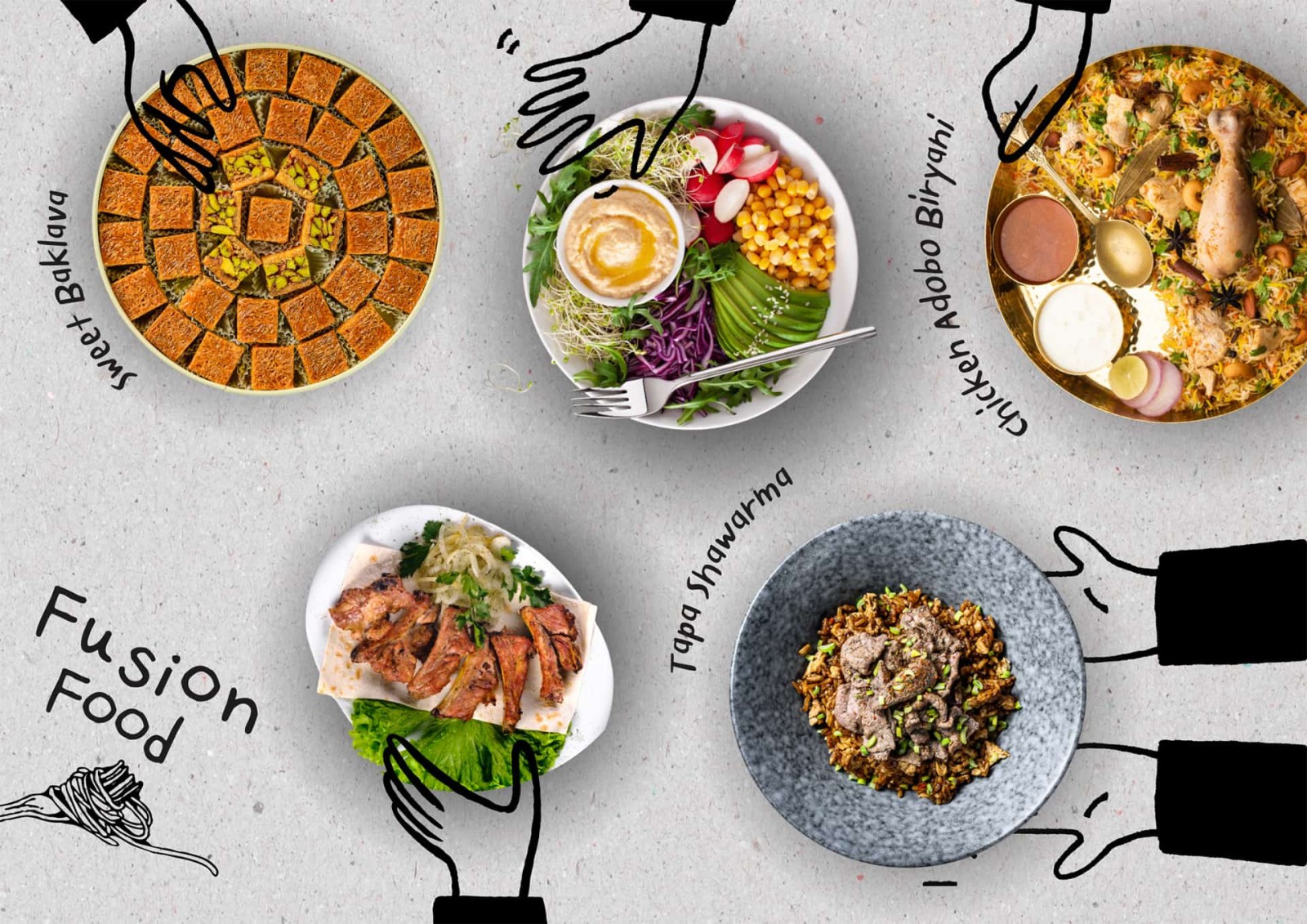
Check out these food fusions between Filipino and Middle Eastern cuisines
The unending quest for healthy and sustainable food amid changing lifestyles
A quick look at the Philippine food staple often getting a bad health rap