
How to Make your Brand Stand Out
Being a newbie in any industry is tough, most especially in the cutthroat world of food and bever-ag...

CITEM advises all exhibitors, buyers, suppliers, service providers, partners, stakeholders, and the public to remain vigilant against unauthorized individuals, groups, or third-party entities falsely claiming to represent CITEM and its official programs and events.
These unauthorized communications may be sent through email, calls, SMS/text messages, social media, messaging applications, websites, or other digital channels. They may involve the alleged selling, distribution, or unauthorized access to CITEM data, databases, or contact lists. They may also involve solicitations, donation requests, sponsorship offers, payment instructions, or other monetary requests using the name of CITEM, its officials, personnel, events, or partners.
Please be reminded:
Official CITEM communications are sent only through verified official channels and corporate email domains, including @citem.com.ph.
CITEM does not authorize any individual, third-party entity, or unofficial representative to sell, distribute, share, or provide access to its official data, databases, contact lists, or stakeholder information.
CITEM does not authorize donations, sponsorship payments, direct fund transfers, e-wallet payments, or other monetary transactions through personal accounts or unofficial channels.
Do not click links, download attachments, reply, provide information, or make payments in response to suspicious communications.
If you receive any suspicious communication claiming to be connected with CITEM, please verify directly with your official project focal point or through CITEM’s official communication channels.
Thank you for your continued cooperation and vigilance.
Center for International Trade Expositions and Missions
July 03, 2026
Filipino food entrepreneurs are entering global markets with stronger foundations—refined through mentorship and validated through trade platforms like IFEX Philippines.
At IFEX Philippines, the conversation is no longer about discovering small businesses—it is about engaging with export-ready food producers prepared to meet global market requirements. Across categories, Filipino micro, small, and medium enterprises (MSMEs) are entering the platform with clearer product positioning, defined production systems, and the ability to engage in structured trade discussions.
Running a small business often means learning as you go. Owners make key decisions on pricing, hiring, expansion, and cash flow largely on their own. With little margin for error, these decisions determine whether growth becomes sustainable or stalls altogether. A lot of Filipinos (MSMEs) begin with a good product or service, but grow without the benefit of experienced guidance. Estimates from organizations such as the Organisation for Economic Co-operation and Development and the World Bank suggest that only around 30% of small and medium enterprises survive beyond their first decade.
For food producers aiming to scale beyond local markets, the challenge is not just survival—it is readiness for international trade. This is where IFEX Philippines plays a central role, serving as a platform where prepared MSMEs meet global buyers, distributors, and retail partners.
At IFEX Philippines, engagements are structured around real business outcomes. Pre-arranged meetings, product evaluations, and category benchmarking allow exhibitors to move quickly from presentation to negotiation. For buyers, this creates a sourcing environment where products are not only discovered, but assessed for scalability, consistency, and long-term supply potential.
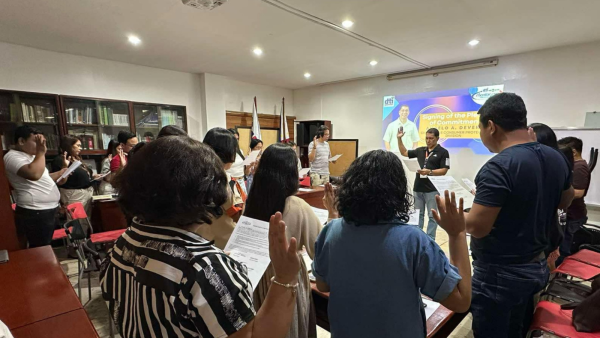
DTI Misamis Oriental officially launched the KMME Program on March 18, 2025, bringing together entrepreneurs committed to growth, continuous learning, and building stronger MSMEs. The event marked the start of a transformative journey toward greater business resilience and success.
Many MSMEs entering this space have strengthened their operations through programs such as the Kapatid Mentor Me (KMME) Program, a joint initiative of the Department of Trade and Industry (DTI) and the Philippine Center for Entrepreneurship – Go Negosyo, a private sector–led non-profit. Rather than focusing on funding alone, the program develops how entrepreneurs manage pricing, production, and positioning—areas critical for export readiness.
The impact of KMME is best seen in how businesses operate after completing the program. Entrepreneurs emerge with clearer cost structures, defined production capacity, and a more structured approach to market positioning—factors that directly influence their ability to meet buyer requirements.
Instead of relying on trial and error, participants learn to align their operations with real market requirements—whether in pricing discipline, supply planning, or product development. This results in businesses that can communicate more effectively with buyers, setting realistic expectations on volume, timelines, and capabilities.
For international partners, this translates to reduced sourcing risk. Businesses are better prepared to deliver consistent quality, manage repeat orders, and participate in longer-term supply arrangements.
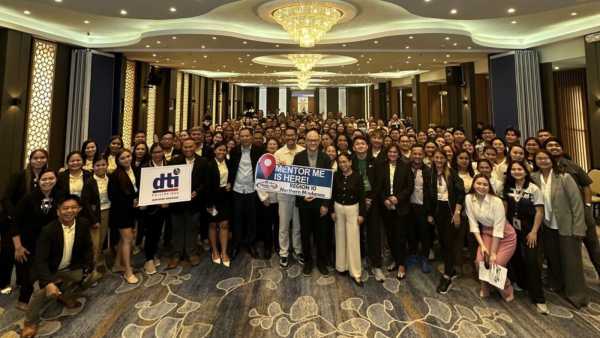
Participants of the KMME program in Northern Mindanao, with 101 MSMEs inducted as mentees for the 2025 batch, representing entrepreneurs from across the region—ranging from emerging businesses to growing enterprises—undergoing mentorship to strengthen operations and expand into wider, even export, markets. Photo credit: Philippine Information Agency
Several KMME graduates from the food manufacturing industry have already joined IFEX Philippines as a platform to introduce their businesses to wider markets while continuing to build sustainably. Here are some of them:
Dulche Chocolates, Inc. began as one woman's frustration with her own health. When Eva Ritchelle "Ritch" Padua started making chocolates in 2014, customers pushed back — too sweet, not good for diabetics, too processed. Instead of retreating, she pivoted to bean-to-bar cacao processing, teaching herself through research and experimentation until she produced a product she could stand behind: a melt-in-your-mouth dark chocolate made from locally sourced cacao with documented health benefits.
By the time she joined the KMME Program, her product line had grown to 14 flavors. What the program gave her was the business architecture she lacked: clarity on legalities, the confidence to enter formal retail channels, and the operational discipline to supply stores consistently. "KMME for me is a complete package," she has said, "which helped improve most parts of my business and my personality as well." Today, Dulche supplies keto chocolates to partner retailers, has trained cacao farmers in the Cordillera on processing, and has directly inspired downstream businesses built on her supply.
Lomboy Farms carries a different kind of pressure: it is the first grape farm in the Philippines, founded by Gracia Lomboy's father, who is known as the Grape King of the Philippines. Inheriting a legacy business run on traditional methods, Gracia joined the KMME Program not to learn how to start, but to learn how to change.
Her three key takeaways from the program — innovate or "die in oblivion," accept mentorship, and know your brand story — reshaped how she positioned the farm's wine and produce business entirely. "Knowing our brand story really helped us tailor our messaging — where to compete, what products to launch," she said. "We used to compete with players who don't even have the same breadth and market as we have. It was a waste of energy and resources. By truly knowing ourselves, we now know where to be." The result: two new wine flavors, a winery upgrade through DOST-SETUP, and new labels built around a consistent brand identity.
Jireh Food Products came out of a skills training at DTI, where owner Emilyn Mascariña Labor saw that wilting vegetables in her community were going to waste. Her response was to turn malunggay, tomatoes, carrots, squash, and ampalaya into chips and veggie tarts — no MSG, no preservatives, no shortcuts.
What she lacked when she entered KMME in 2018 was marketing. She had never used online platforms seriously. The program changed that fast. "I tried it immediately after I heard about it there," she said. The result was a 200% increase in sales, new equipment, job creation, and the eventual opening of a physical store. "It was like taking a business masteral course," she reflected. "So much was learned — especially in marketing and handling people."
Together, these producers illustrate what the KMME Program is actually built to deliver: not just business survival, but the specific transformation — in positioning, in operations, in confidence — that moves a food enterprise from a local product to a market-ready one. They arrive at IFEX Philippines not as exploratory first-timers, but as suppliers who have tested their assumptions, refined their offerings, and structured their businesses around what buyers on the other side of the table are actually looking for.
Learn more about export-ready Philippine food producers and upcoming trade opportunities through IFEX Philippines and IFEXConnect.
Being a newbie in any industry is tough, most especially in the cutthroat world of food and bever-ag...
In April 2020, mountains of surplus broccoli and cauliflower were pictured decaying in the Mountain...
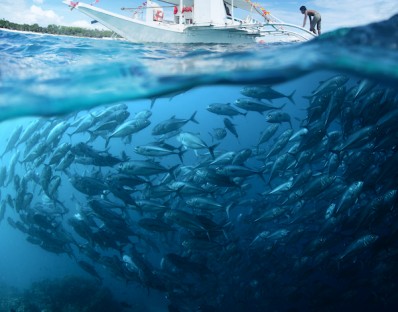
A country renowned for its pristine beaches and infectious hospitality, the Philippines is also the...

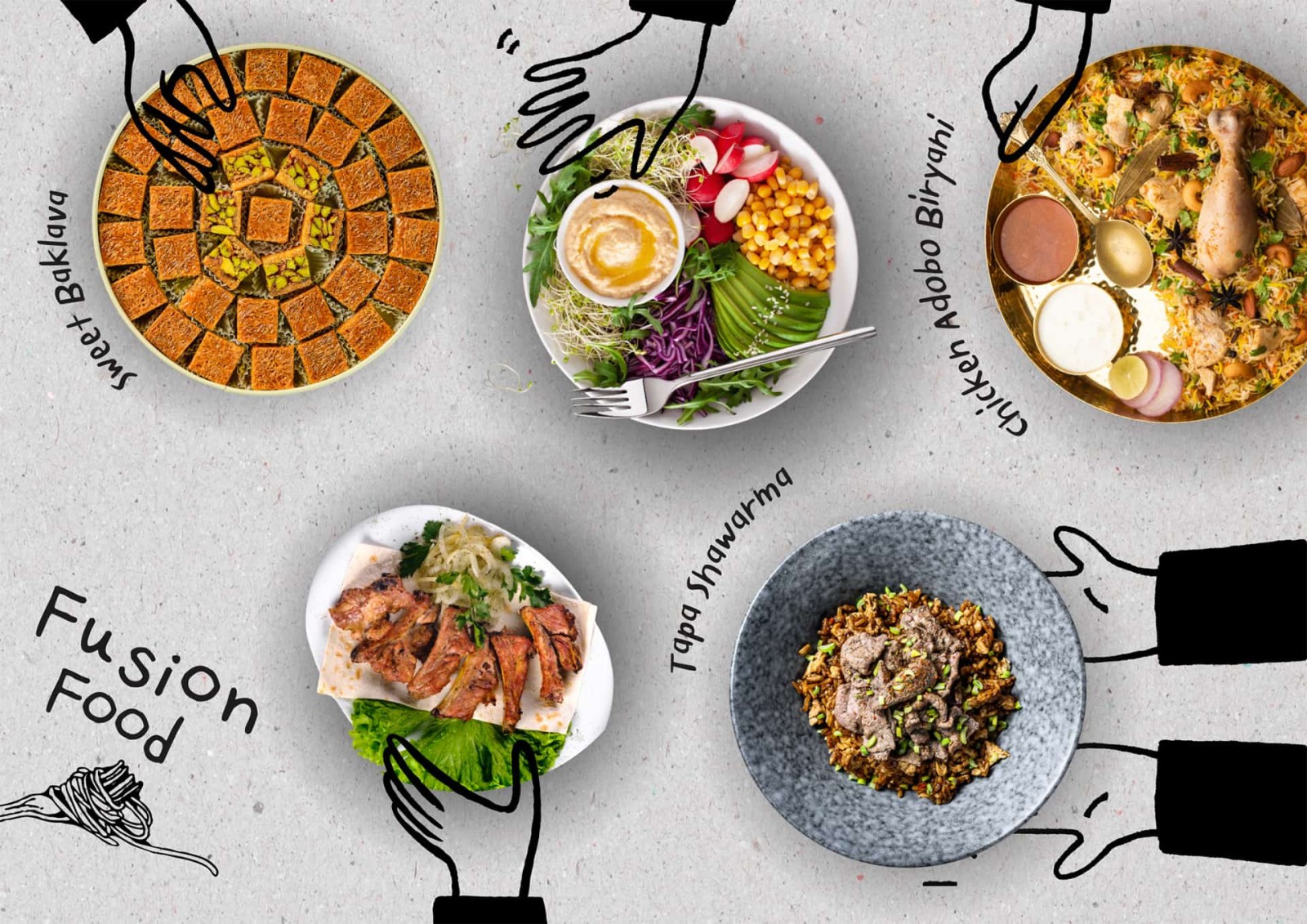
Check out these food fusions between Filipino and Middle Eastern cuisines

The unending quest for healthy and sustainable food amid changing lifestyles
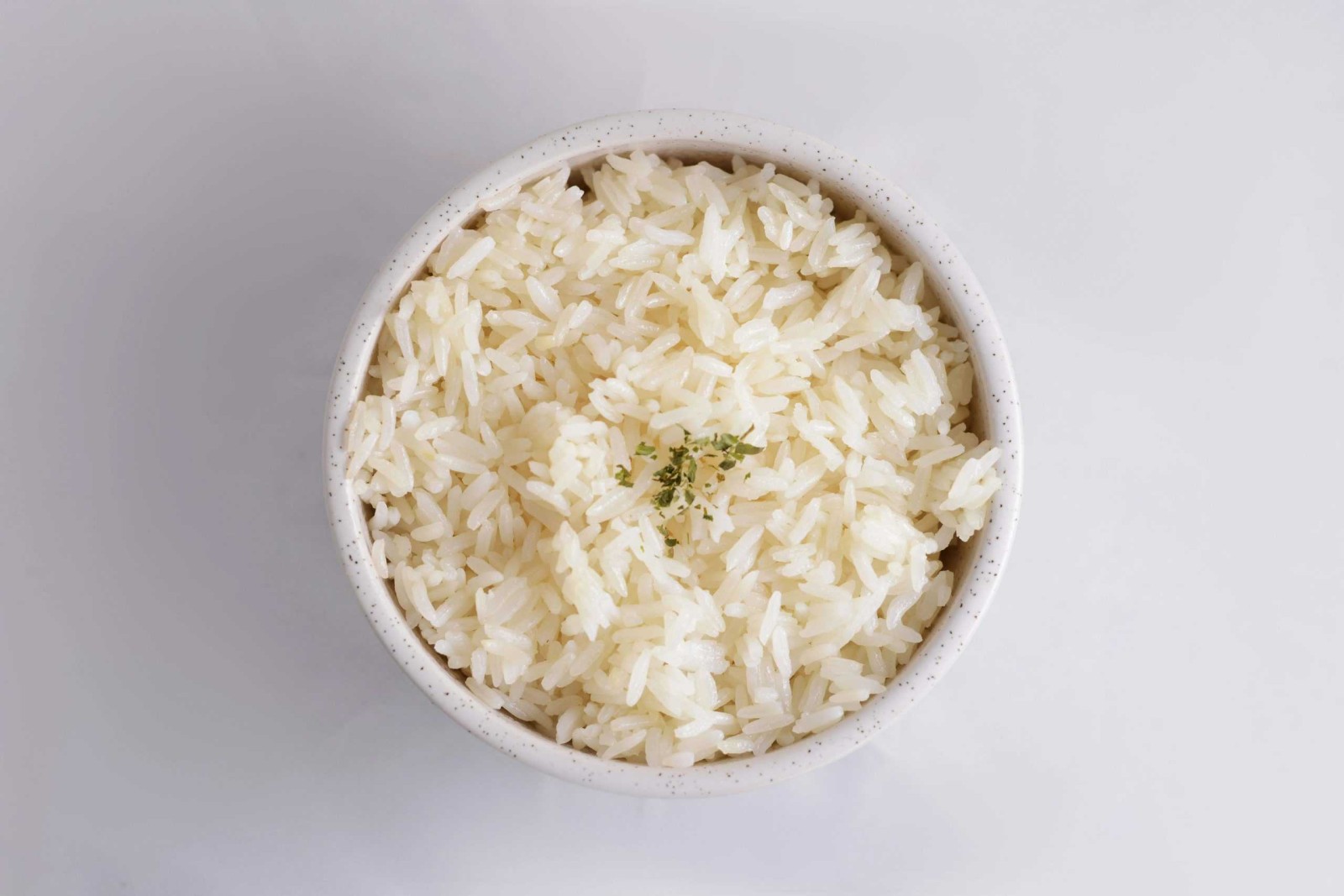
A quick look at the Philippine food staple often getting a bad health rap