
How to Make your Brand Stand Out
Being a newbie in any industry is tough, most especially in the cutthroat world of food and bever-ag...

CITEM advises all exhibitors, buyers, suppliers, service providers, partners, stakeholders, and the public to remain vigilant against unauthorized individuals, groups, or third-party entities falsely claiming to represent CITEM and its official programs and events.
These unauthorized communications may be sent through email, calls, SMS/text messages, social media, messaging applications, websites, or other digital channels. They may involve the alleged selling, distribution, or unauthorized access to CITEM data, databases, or contact lists. They may also involve solicitations, donation requests, sponsorship offers, payment instructions, or other monetary requests using the name of CITEM, its officials, personnel, events, or partners.
Please be reminded:
Official CITEM communications are sent only through verified official channels and corporate email domains, including @citem.com.ph.
CITEM does not authorize any individual, third-party entity, or unofficial representative to sell, distribute, share, or provide access to its official data, databases, contact lists, or stakeholder information.
CITEM does not authorize donations, sponsorship payments, direct fund transfers, e-wallet payments, or other monetary transactions through personal accounts or unofficial channels.
Do not click links, download attachments, reply, provide information, or make payments in response to suspicious communications.
If you receive any suspicious communication claiming to be connected with CITEM, please verify directly with your official project focal point or through CITEM’s official communication channels.
Thank you for your continued cooperation and vigilance.
Center for International Trade Expositions and Missions
July 09, 2026
Bringing together culture, enterprise, and end-to-end support to help Filipino MSMEs grow with purpose.
Local products in the Philippines often grow out of community traditions, using local or indigenous raw materials and skills passed down through generations. But for many small Filipino enterprises, these products still need work before they are ready for wider markets. What determines whether these products move forward is not solely visibility, but preparation. This is where the One Town, One Product (OTOP) Philippines program comes in.
Inspired by Japan’s One Village, One Product movement, the Philippines introduced the OTOP program in 2004. The One Village, One Product (OVOP) movement, or Isson Ippin Undo, began in 1979 in Japan’s Oita Prefecture. It focuses on helping each locality create a globally marketable product tied to its heritage or environment. It supports communities in becoming innovative, self-sufficient, and capable of generating stable incomes.
The Department of Trade and Industry (DTI) runs the same program to showcase locally rooted products and strengthen micro and small enterprises (MSMEs), especially in rural areas. It redefines what meaningful support for entrepreneurs looks like by helping them move their products beyond their place of origin, and turning them into viable sources of livelihood and economic development.
OTOP adapts a place-based development model that emphasizes local ownership. The government encourages local government units (LGUs) to define what is special about their area and identify goods and services that best reflect their distinct identity and culture.
Over time, however, it became clear that identifying a product was only the first step. Many enterprises needed deeper support in product development, compliance, promotion, and market access. This direction is reflected in the mandate of the Department of Trade and Industry’s Bureau of Market Development, Promotions, and OTOP (BMDPO), which is tasked with promoting local products through trade fairs, showrooms, in-store displays, exhibitions, local trade missions, information exchange, and business matching activities. The shift is also formalized under Republic Act No. 11960, or the OTOP Philippines Act, which institutionalizes OTOP as a national program supporting MSMEs through product development, standards compliance, and access to local and foreign markets.
In 2023, President Bongbong Marcos formalized this shift and established OTOP as a national program through the Republic Act No. 11960. Today, “One Town, One Product” program supports a lot of business categories, such as:
Now, OTOP’s approach centers on development as a process rather than an outcome. Central to this support program for Filipino MSMEs is its end-to-end assistance model. Instead of moving straight to promotion, products and services undergo assessment to determine readiness.
They provide structured support from early-stage development through market access, and it all begins with product and design assessment. Entrepreneurs get consultation and work with designers, product specialists, and other expert mentors to clarify what they are offering, who it is for, and how they should position themselves. Assistance extends to packaging and labeling, including help with nutritional information and regulatory requirements for applicable products.
Another component of OTOP is capacity building. The government provides training opportunities, knowledge sharing, and technology transfer to strengthen the operational capabilities of entrepreneurs. Standards and market compliance are also part of it, helping MSMEs understand and meet requirements that are common barriers to growth.
OTOP also knows that some entrepreneurs need help when it comes to financial aspects. The initiative actively connects MSMEs with government financial institutions and partners such as the Small Business Corporation (SB Corp) and the Development Bank of the Philippines (DBP). These partnerships connect businesses to financing options that match their capacity and stage of development.
This program for Filipino MSMEs completes the support cycle by opening doors to the market. They bring products that have gone through structured development into spaces where mainstream consumers and buyers can discover them, whether through multimedia campaigns, trade fairs, bazaars, or dedicated retail outlets.
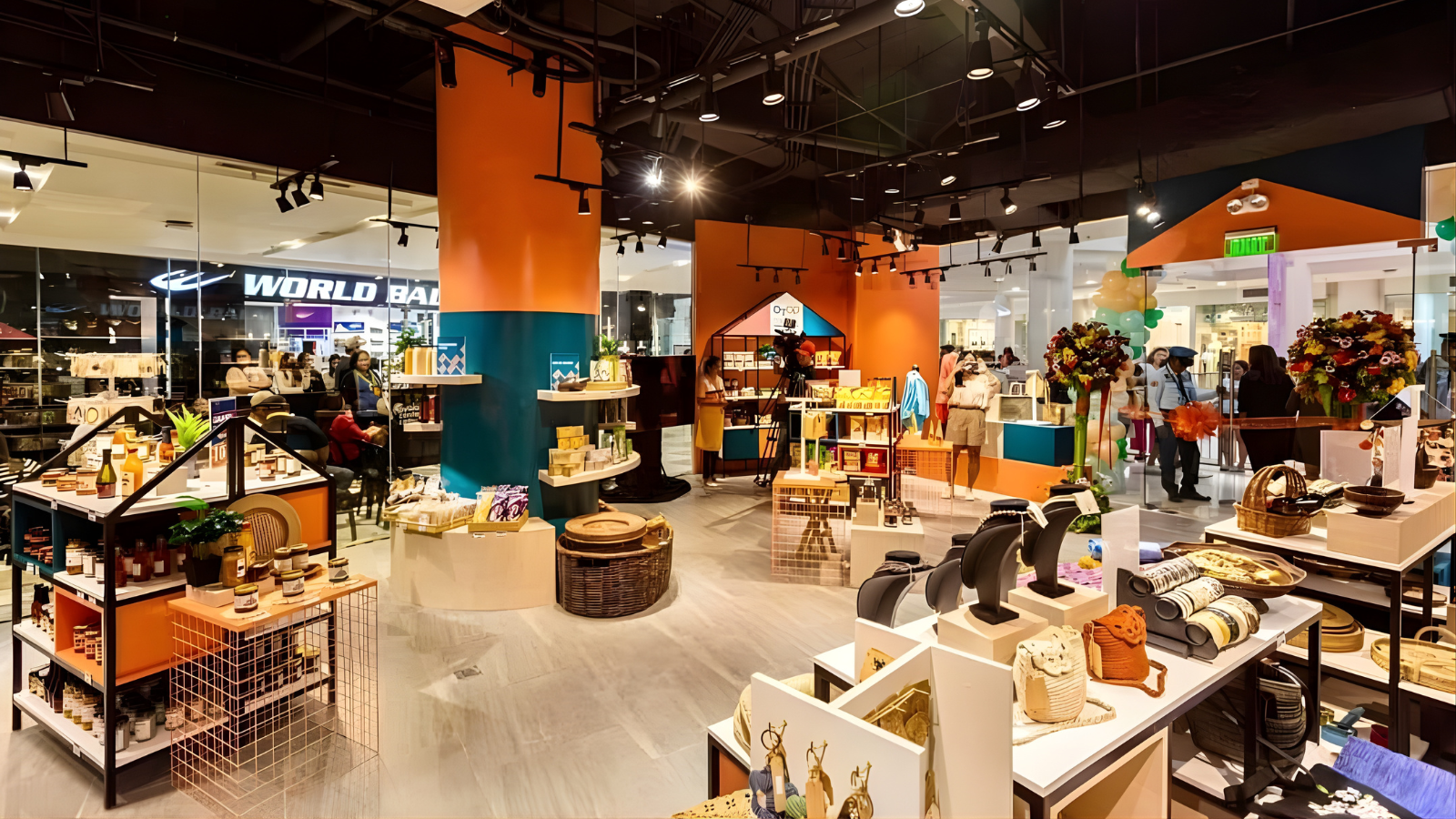
There’s also a growing network of OTOP Philippines Hubs. LGUs put these physical hubs in busy places like malls and tourist destinations, making it easier for products to reach both retail and wholesale buyers. In 2025, DTI added another channel that lets MSMEs reach consumers beyond their local areas by launching the DTI Bagong Pilipinas Marketplace, a B2B platform.
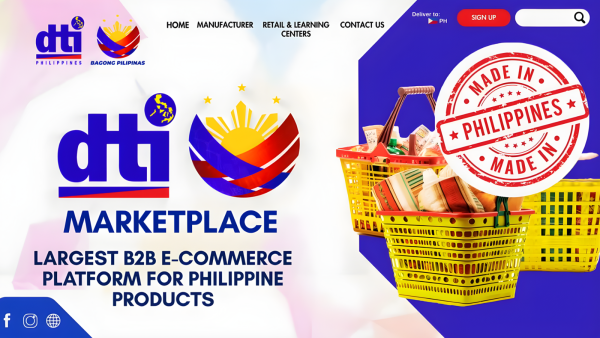
The largest B2B e-Commerce platform connects OTOP beneficiaries and other Filipino MSMEs with local and international buyers. Photo Courtesy: DTI Philippines
OTOP-supported MSMEs also gain exposure through international trade events such as IFEX Philippines, the country’s largest business-to-business and export-oriented trade show for food, beverage and ingredients. The event gives entrepreneurs a chance to connect directly with international buyers, see market expectations up close, and better understand export requirements. It also allows them to benchmark their products with regional and global offerings.
IFEX and OTOP support food-based Filipino MSMEs by giving access to markets that businesses are ready to enter and scale up for.
OTOP supports many enterprises that operate at a micro level. Some make handcrafted goods, others prepare food in small batches at their homes, and others offer their skill-based services only to a few people. With limited capacity, growth tends to be gradual.
OTOP’s support model recognizes that many MSMEs grow in stages, especially those working with small-batch production, home-based operations, or limited equipment. Rather than pushing businesses to scale before they are ready, the program helps entrepreneurs assess their current capacity, identify practical improvements, and prepare for markets that match their production level.
Instead of forcing quick scale-up, the program focused on realistic progress based on what each business can handle. It supports enterprises through consultation, mentoring, financial support, triage, product refinement and market access.
Experts openly discuss trade-offs like packaging materials, pricing points, and choosing target markets.. By having these discussions, sellers can determine what is realistic for their business right now, rather than making choices based solely on ambition. In doing so, the government acknowledges the realities small businesses face and values long-term sustainability over rapid exposure.
Through OTOP program’s holistic process, Filipino enterprises get a clearer view of what they can do now and what still needs to be improved. Some advance to retail hubs and trade fairs, while others return to work on their product or adjust their positioning, with DTI ready to support them every step of the way.
Being a newbie in any industry is tough, most especially in the cutthroat world of food and bever-ag...

In April 2020, mountains of surplus broccoli and cauliflower were pictured decaying in the Mountain...

A country renowned for its pristine beaches and infectious hospitality, the Philippines is also the...

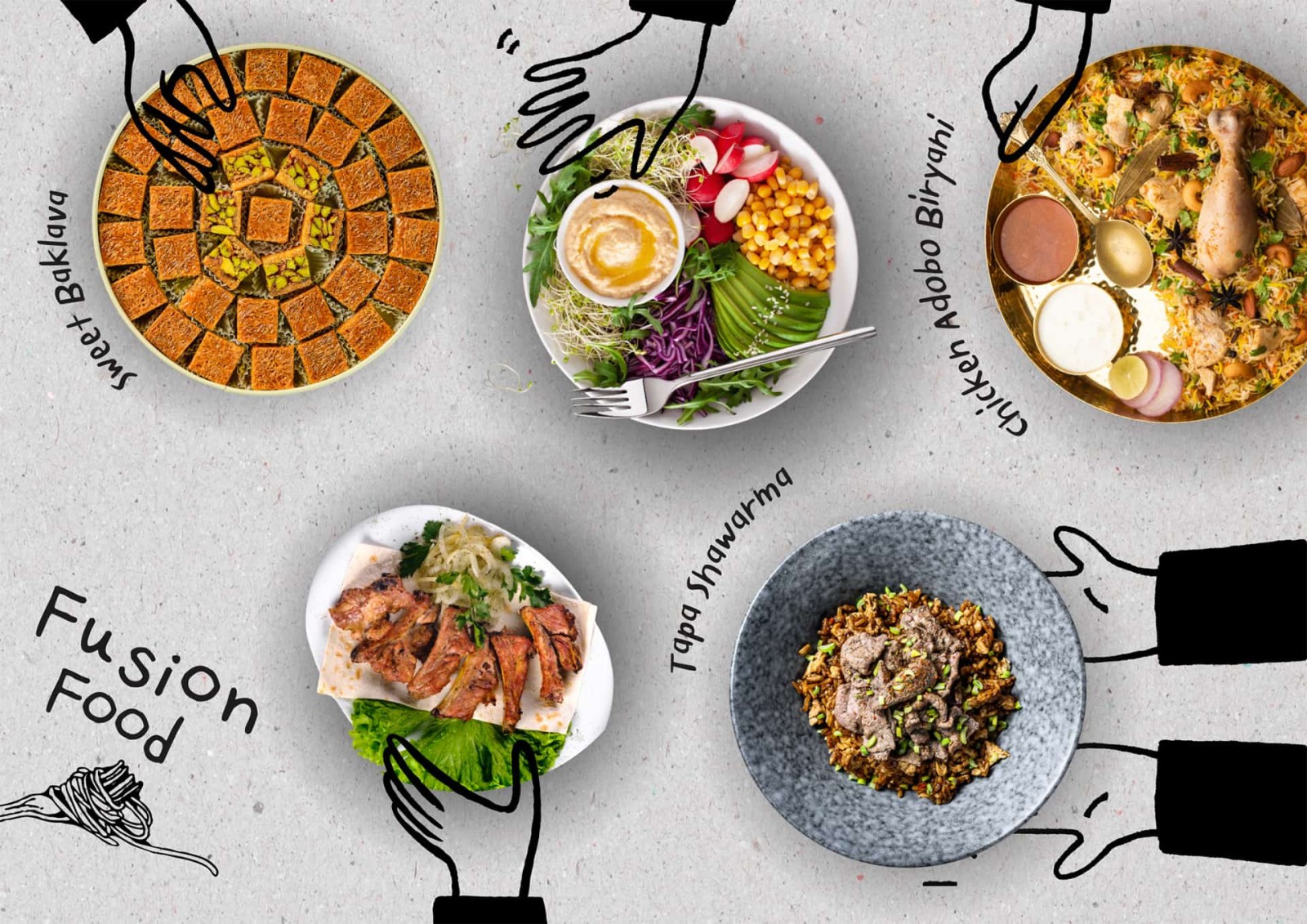
Check out these food fusions between Filipino and Middle Eastern cuisines

The unending quest for healthy and sustainable food amid changing lifestyles

A quick look at the Philippine food staple often getting a bad health rap