
How to Make your Brand Stand Out
Being a newbie in any industry is tough, most especially in the cutthroat world of food and bever-ag...

CITEM advises all exhibitors, buyers, suppliers, service providers, partners, stakeholders, and the public to remain vigilant against unauthorized individuals, groups, or third-party entities falsely claiming to represent CITEM and its official programs and events.
These unauthorized communications may be sent through email, calls, SMS/text messages, social media, messaging applications, websites, or other digital channels. They may involve the alleged selling, distribution, or unauthorized access to CITEM data, databases, or contact lists. They may also involve solicitations, donation requests, sponsorship offers, payment instructions, or other monetary requests using the name of CITEM, its officials, personnel, events, or partners.
Please be reminded:
Official CITEM communications are sent only through verified official channels and corporate email domains, including @citem.com.ph.
CITEM does not authorize any individual, third-party entity, or unofficial representative to sell, distribute, share, or provide access to its official data, databases, contact lists, or stakeholder information.
CITEM does not authorize donations, sponsorship payments, direct fund transfers, e-wallet payments, or other monetary transactions through personal accounts or unofficial channels.
Do not click links, download attachments, reply, provide information, or make payments in response to suspicious communications.
If you receive any suspicious communication claiming to be connected with CITEM, please verify directly with your official project focal point or through CITEM’s official communication channels.
Thank you for your continued cooperation and vigilance.
Center for International Trade Expositions and Missions
June 08, 2026
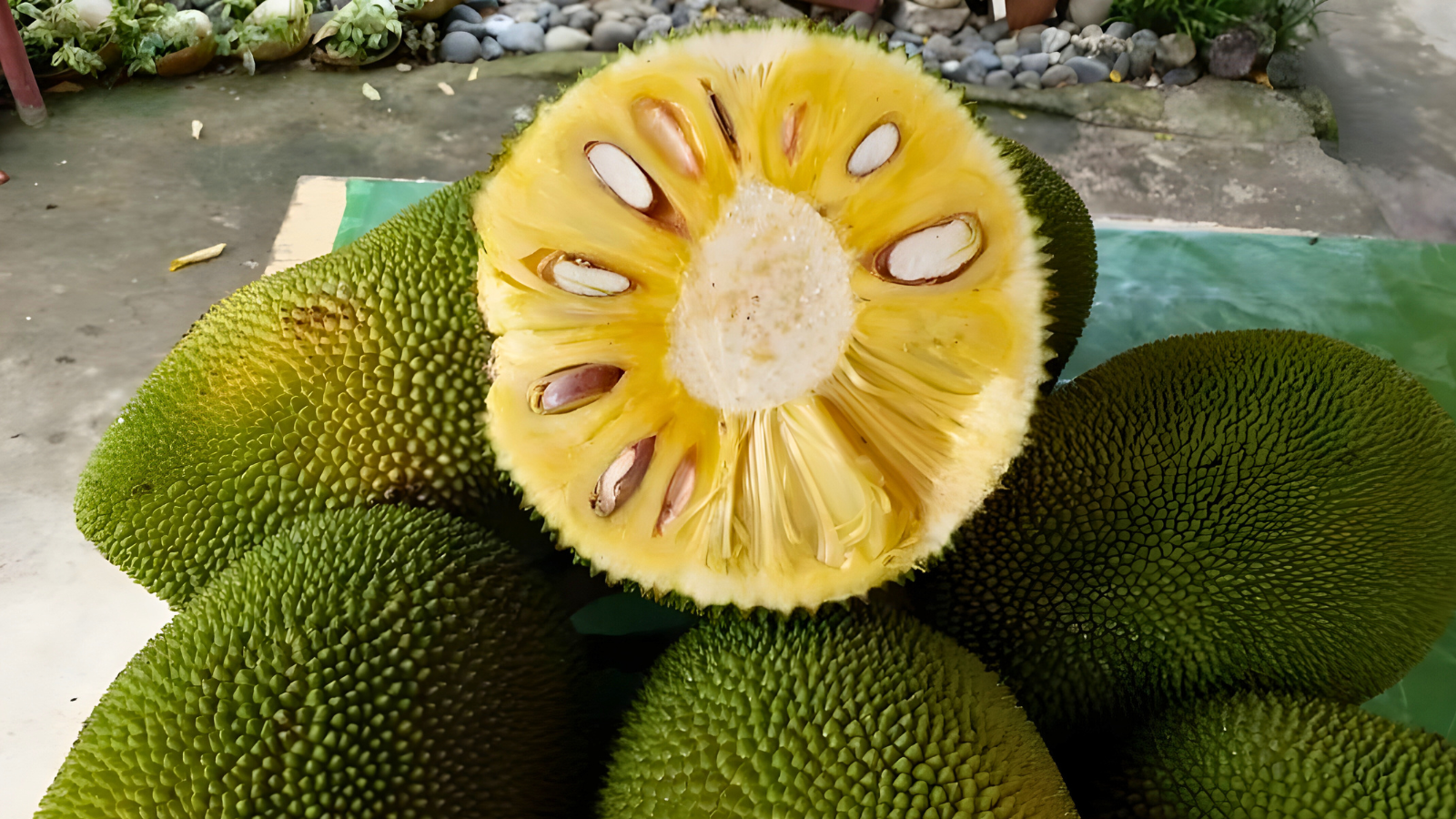
From backyard trees to fiesta tables, jackfruit (langka) is a tropical treasure that’s deeply rooted in everyday life across Asia.
Ever seen a fruit bigger than a basketball? That’s the jackfruit! It’s sweet, sticky, and smells like summer. Whether you love it or not, you’ll never forget it. Grown in many Filipino backyards, it’s a fruit that feels like home. Jackfruit, known locally as langka in the Philippines, is the world’s largest tree-borne fruit, often weighing up to 50 kilograms. Its spiky green exterior hides a golden, fragrant flesh that has captured hearts across Asia for centuries. This tropical fruit isn’t just big in size; it’s big in cultural significance, culinary versatility, and nutritional value.
Filipinos have found many ways to enjoy langka. While many know it as the star of ginataang langka (jackfruit curry) or as a topping for halo-halo, its role in savory dishes is equally impressive. Unripe jackfruit is often used as a meat substitute in adobo or kare-kare, offering a tender texture that absorbs flavors beautifully. This adaptability makes langka a staple in both traditional and modern Filipino kitchens.
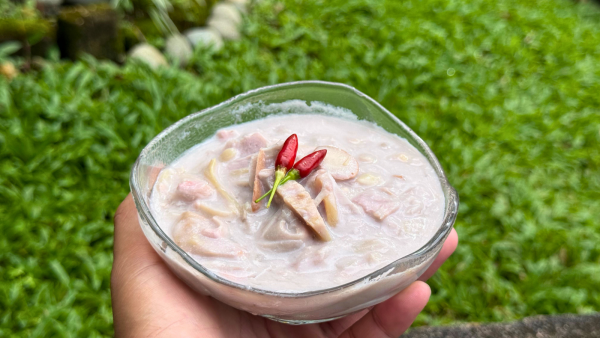
Ginataang Langka (jackfruit curry). Photo shot by Tripples
Across Asia, jackfruit tells different stories. In India, it’s celebrated in curries and chips; in Thailand, it sweetens sticky rice desserts; and in Vietnam, it’s enjoyed fresh as a snack. Each country has woven this tropical fruit into its culinary heritage, proving that it is more than food; it’s a cultural connector. Its presence in backyard gardens and local markets reflects its deep roots in everyday life.
This tropical fruit isn’t just delicious but also packed with nutrition. Rich in fiber, vitamin C, potassium, and antioxidants, it supports digestion, boosts immunity, and promotes heart health. Its seeds, often boiled or roasted, are protein-rich, making them a sustainable source of plant-based nutrition. For those seeking healthier diets, jackfruit offers a natural, nutrient-dense alternative to processed foods. For vegetarians and vegans, it's a favored meat substitute. Plus, it’s sustainable and grows easily in tropical climates.
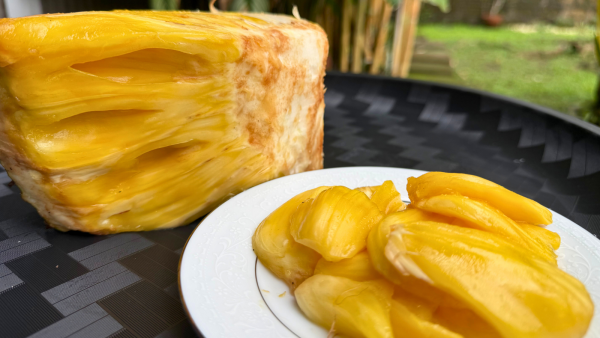
Fresh jackfruit. Photo shot by Tripples
Jackfruit trees thrive in tropical climates with minimal care, making them a farmer’s ally. They require little irrigation, resist pests, and yield abundantly, reducing the need for chemical inputs. This resilience positions jackfruit as a sustainable crop that can help combat food insecurity and support local economies. In an era of climate challenges, growing langka stands out as a low-carbon, high-impact solution.
As global interest in plant-based diets grows, langka offers a delicious, eco-friendly option that honors cultural heritage while addressing modern challenges. So next time you see this spiky giant, think beyond dessert. Embrace it as a culinary star, a nutritional powerhouse, and a sustainable choice for future generations.
Discover more sustainable food innovations and proudly Philippine products at IFEXconnect.com.
***
Banner caption: Naturally sweet and versatile, jackfruit (langka) serves as both a healthy snack and a savory staple.
Being a newbie in any industry is tough, most especially in the cutthroat world of food and bever-ag...

In April 2020, mountains of surplus broccoli and cauliflower were pictured decaying in the Mountain...

A country renowned for its pristine beaches and infectious hospitality, the Philippines is also the...

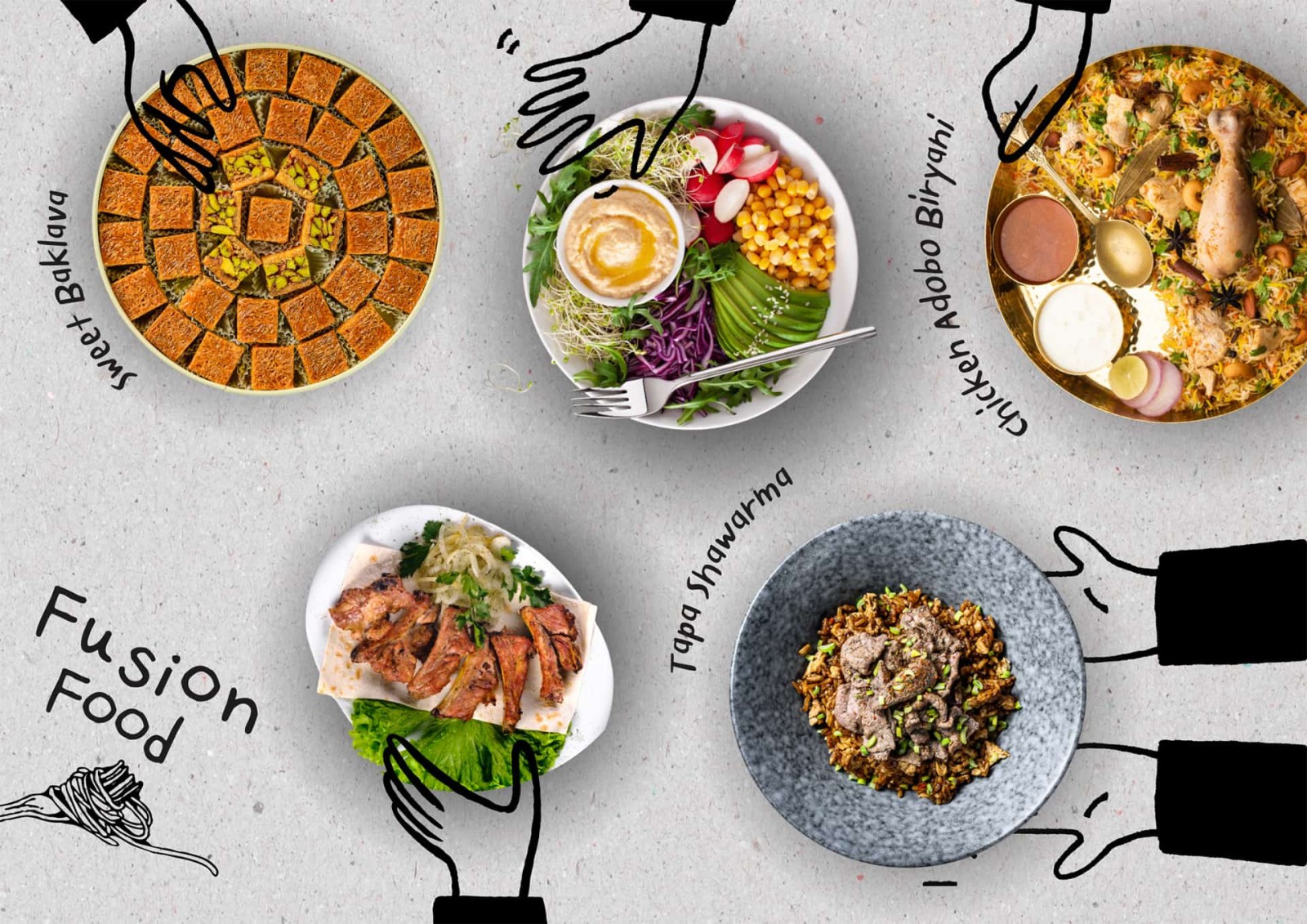
Check out these food fusions between Filipino and Middle Eastern cuisines
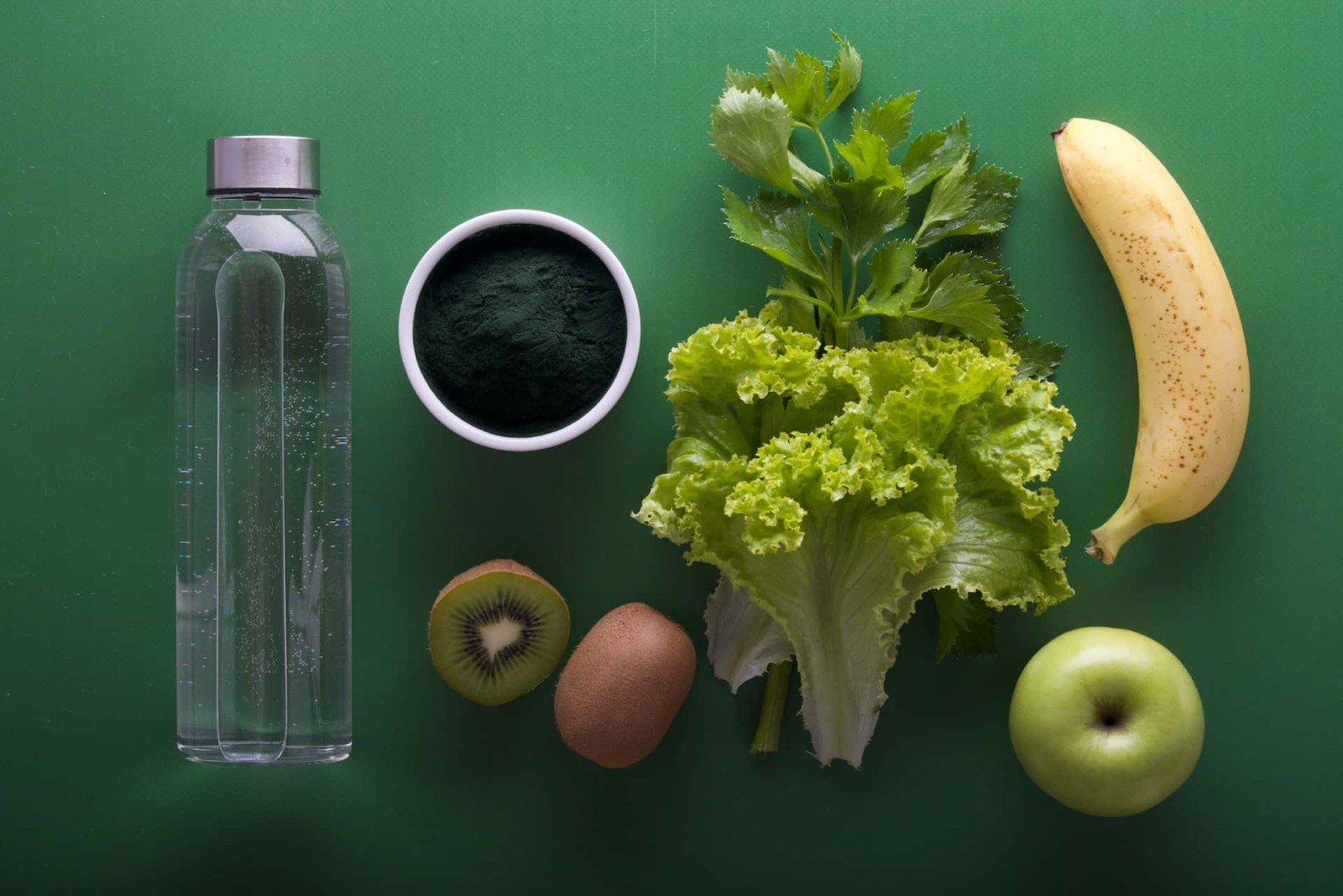
The unending quest for healthy and sustainable food amid changing lifestyles
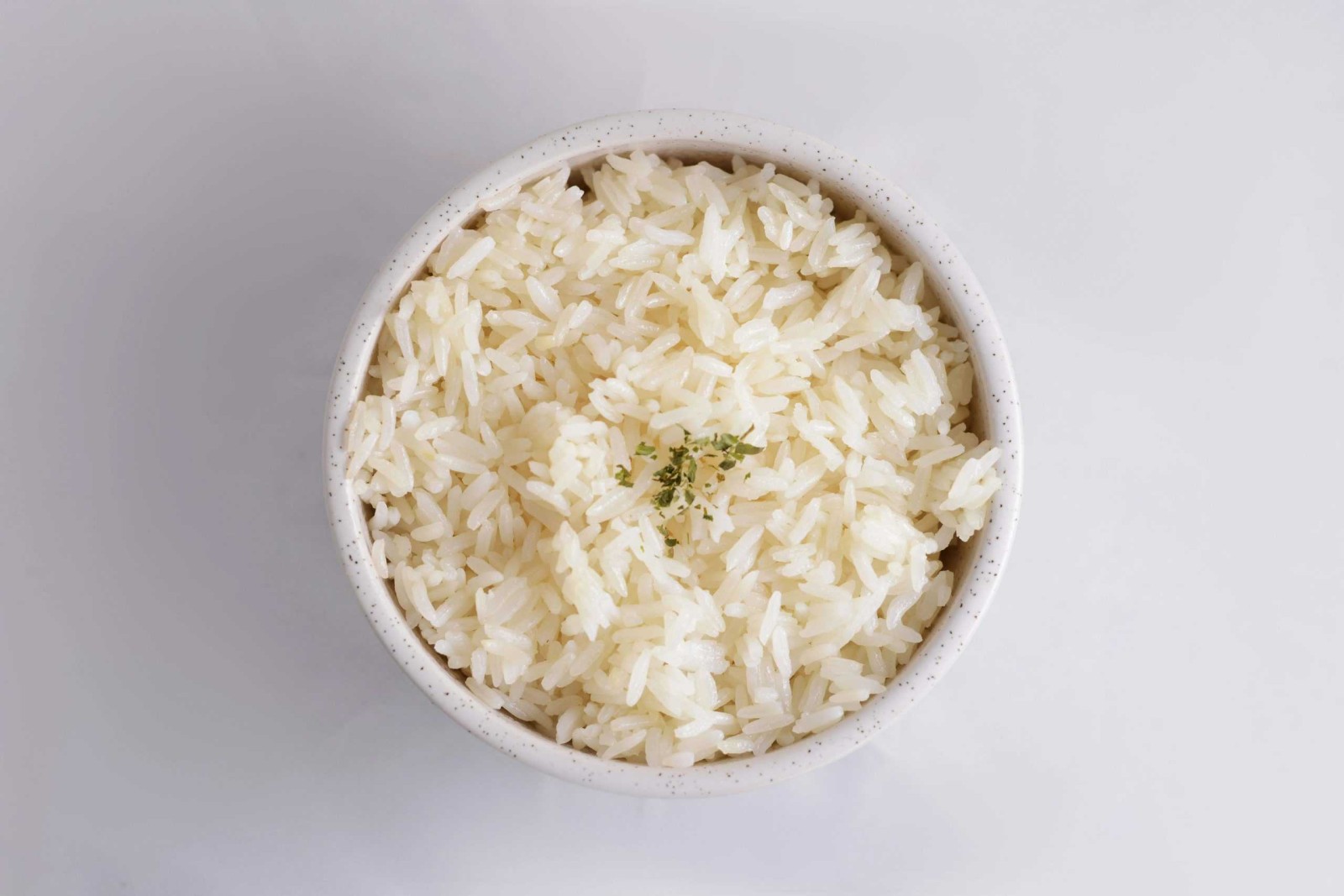
A quick look at the Philippine food staple often getting a bad health rap