
How to Make your Brand Stand Out
Being a newbie in any industry is tough, most especially in the cutthroat world of food and bever-ag...

CITEM advises all exhibitors, partners, and stakeholders to remain vigilant against unauthorized emails claiming to offer access to IFEX Philippines, SSX, or CITEM attendee, visitor, buyer, or exhibitor lists.
Please be reminded of the following security measures:
Official communications from CITEM, IFEX Philippines, and SSX are sent only through verified official channels and corporate email domains, including @citem.com.ph.
CITEM does not authorize third-party entities to sell, distribute, or provide access to official attendee, visitor, buyer, or exhibitor databases.
We will never ask for sensitive financial details, passwords, or direct payments through unofficial third-party channels or personal email accounts.
If you receive a suspicious email, especially one offering event databases, using urgent pressure tactics, or coming from an unfamiliar address:
If you are unsure about the authenticity of any communication you receive, please verify it with your official project focal point or contact CITEM directly through its official websites and communication channels.
Thank you for your continued cooperation and vigilance.
Center for International Trade Expositions and Missions
May 28, 2026
As the global beverage industry projects steady growth, the Philippine sugar palm fruit offers a texturally unique, climate-resilient alternative to traditional starch pearls.
The global bubble tea market shows no signs of cooling. According to a 2024 report by Allied Market Research, the market was valued at $3.1 billion in 2023 and is estimated to reach US $5.4 billion by 2033, growing at a CAGR of 5.9%. While black tea remains the dominant base, the report notes that North American and European consumers are increasingly seeking novel textures and premium ingredients to elevate the experience.
This market trend creates a strategic opening for Kaong (sugar palm fruit). Unlike the mass-produced tapioca pearl, which is an extracted starch product, Kaong is a whole-food ingredient. Sourced from the biodiversity-rich forests of the Philippines, it offers international buyers a clean-label, plant-based topping that delivers a similar sensory experience without the heavy processing associated with starch balls.
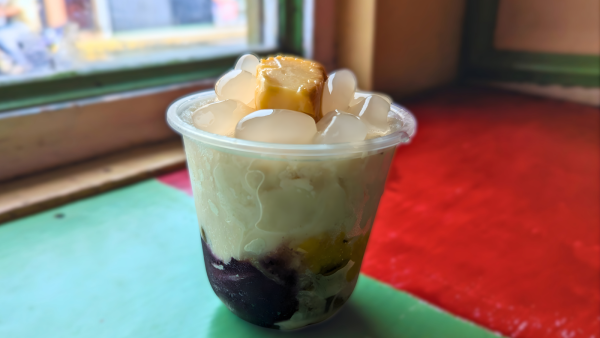
Kaong is stepping up as a natural, sustainable alternative to boba—bringing that perfect chewy bite without heavy processing. Shot by Tripples
Kaong is the fruit of the Arenga pinnata (sugar palm) tree. It is a common ingredient in Philippine households, best known as the "chew" element in the iconic shaved ice dessert, Halo-Halo. However, for modern food scientists, it represents a functional breakthrough.
While traditional tapioca pearls are prone to hardening or "retrogradation" in cold supply chains, Kaong is naturally fibrous and thermally stable. Kaong maintains its firm, "al dente" texture even in sub-zero temperatures. This stability makes it an ideal inclusion for ready-to-drink teas, where starch pearls often fail to maintain consistency.
The strongest value proposition for Philippine Kaong lies in its source: the Arenga pinnata tree. In an era where buyers prioritize Environmental, Social, and Governance (ESG) goals, this palm offers a compelling sustainability narrative compared to monoculture crops.
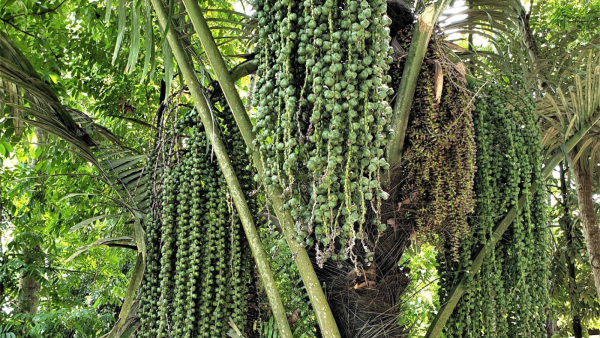
Arenga pinnata (Sugar Palm) tree. Photo courtesy of Calo Nature Park
Scientific data support this claim. A 2025 review published in the journal Trees, Forests and People highlights the species' role in soil and water conservation. The review notes that the Arenga pinnata possesses a massive root system that can reach up to 10 meters in length and spread 10 meters wide. This allows the tree to stabilize soil on steep slopes (up to 47% incline) and prevent erosion, a critical factor in tropical highlands.
Furthermore, the tree is a natural water reservoir. The same 2025 study confirms that a single tree can absorb and store up to 200 liters of water, contributing significantly to groundwater regulation. As noted by tropical ecologist Willie Smits in National Geographic, the tree is also drought- and fire-resistant, allowing farmers to cultivate a high-value crop while "basically only harvesting sunshine."
In the Philippines, kaong (Arenga pinnata) grows abundantly in provinces such as Quezon, Laguna, Batangas, and parts of Mindanao, where conditions support both wild and semi-cultivated stands. According to data from the Philippine Statistics Authority, the country consistently produces thousands of metric tons of kaong-derived products annually, supporting a steady domestic supply and enabling continued participation in export markets.
The Philippine export sector has professionalized the supply chain to meet global standards. The transition from a local heritage ingredient to a worldwide export commodity is well underway, with manufacturers standardizing Kaong processing to offer it in various cuts (cubes, strips) and syrup concentrations.
Exhibitors like Gem Foods International and Newton Food Products are leading this shift, ensuring that Philippine Kaong meets the rigorous food safety and packaging specifications required by multinational beverage chains. By offering a clean-label, naturally sourced ingredient that is ready for industrial application, these companies provide a viable solution for brands looking to differentiate themselves in a crowded market.
The beverage market thrives on novelty, but sustainable growth requires functionality. Kaong offers both: a novel texture for the international palate and a verifiable sustainability story backed by agricultural science. As the bubble tea market marches toward that US $5.4 billion valuation, this humble palm fruit is positioned to become a premium staple in the global ingredients market, and, most likely, in your favorite milk tea drink.
Discover more about the functional fruit ingredients driving the region’s export growth at IFEXConnect.com.
***
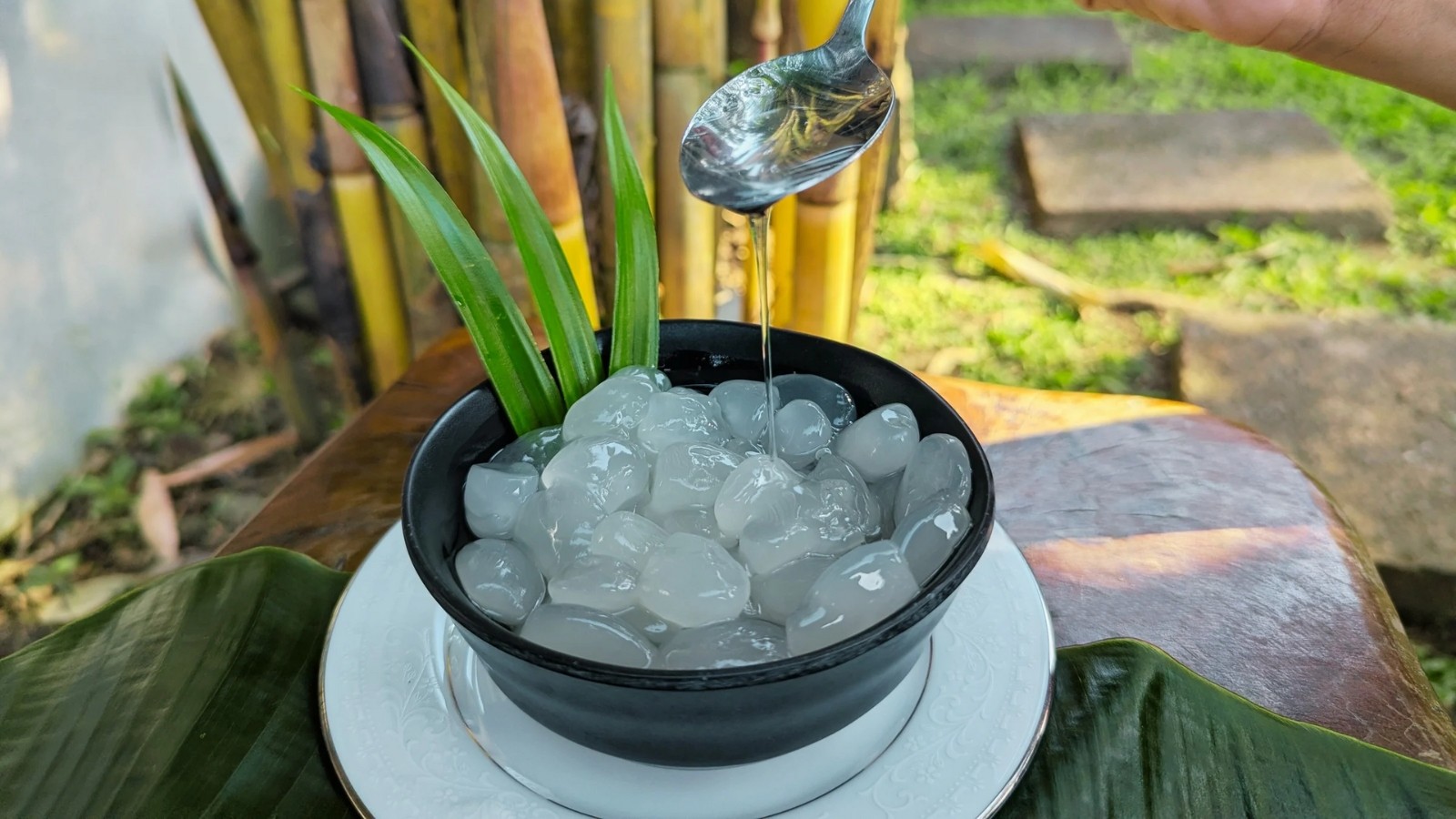
Banner caption: Kaong, freshly prepared with sweetened syrup. Captured by TripplesPH
Being a newbie in any industry is tough, most especially in the cutthroat world of food and bever-ag...
In April 2020, mountains of surplus broccoli and cauliflower were pictured decaying in the Mountain...
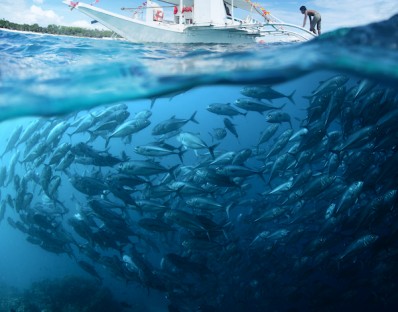
A country renowned for its pristine beaches and infectious hospitality, the Philippines is also the...

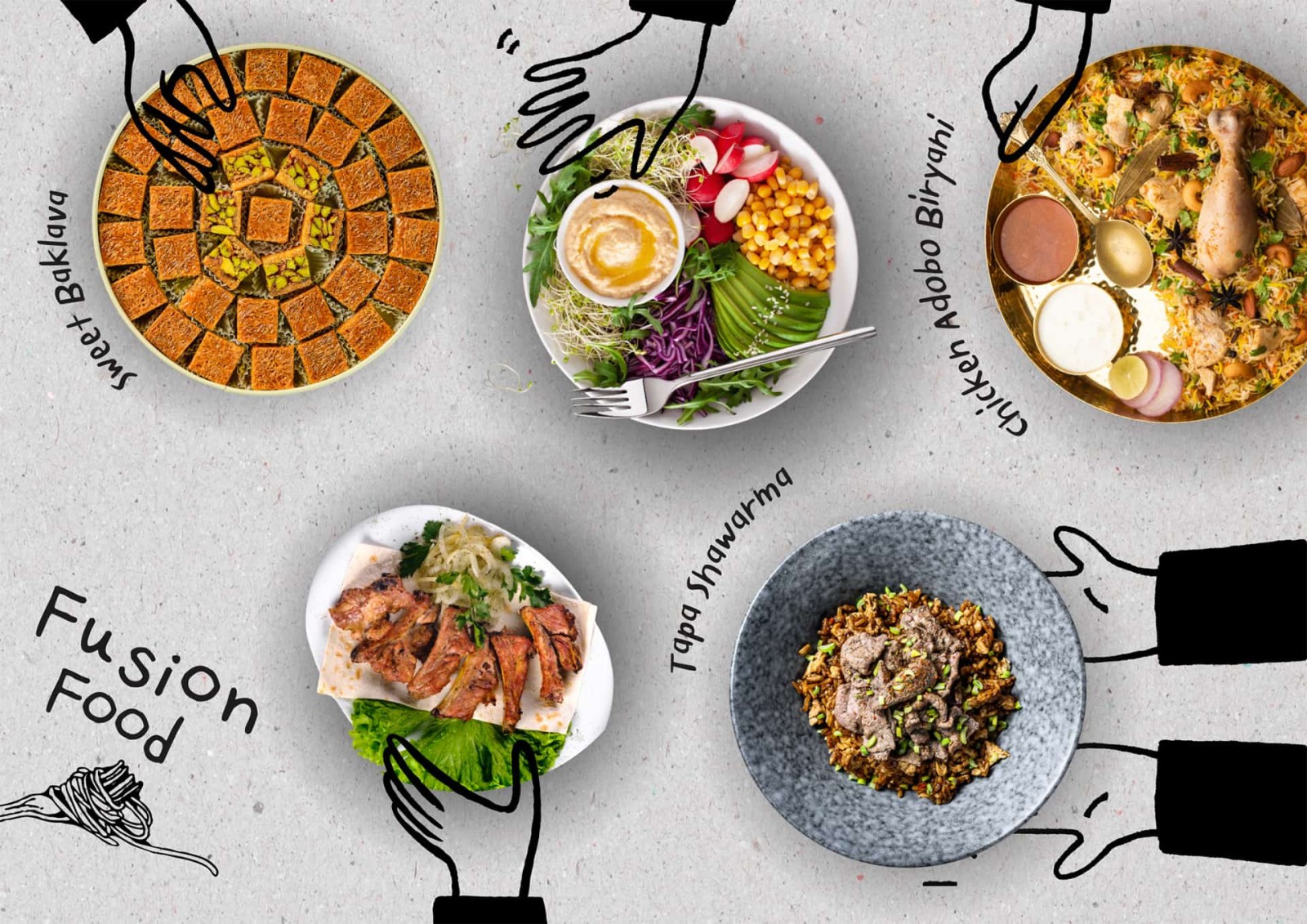
Check out these food fusions between Filipino and Middle Eastern cuisines
The unending quest for healthy and sustainable food amid changing lifestyles
A quick look at the Philippine food staple often getting a bad health rap