
How to Make your Brand Stand Out
Being a newbie in any industry is tough, most especially in the cutthroat world of food and bever-ag...

CITEM advises all exhibitors, buyers, suppliers, service providers, partners, stakeholders, and the public to remain vigilant against unauthorized individuals, groups, or third-party entities falsely claiming to represent CITEM and its official programs and events.
These unauthorized communications may be sent through email, calls, SMS/text messages, social media, messaging applications, websites, or other digital channels. They may involve the alleged selling, distribution, or unauthorized access to CITEM data, databases, or contact lists. They may also involve solicitations, donation requests, sponsorship offers, payment instructions, or other monetary requests using the name of CITEM, its officials, personnel, events, or partners.
Please be reminded:
Official CITEM communications are sent only through verified official channels and corporate email domains, including @citem.com.ph.
CITEM does not authorize any individual, third-party entity, or unofficial representative to sell, distribute, share, or provide access to its official data, databases, contact lists, or stakeholder information.
CITEM does not authorize donations, sponsorship payments, direct fund transfers, e-wallet payments, or other monetary transactions through personal accounts or unofficial channels.
Do not click links, download attachments, reply, provide information, or make payments in response to suspicious communications.
If you receive any suspicious communication claiming to be connected with CITEM, please verify directly with your official project focal point or through CITEM’s official communication channels.
Thank you for your continued cooperation and vigilance.
Center for International Trade Expositions and Missions
June 02, 2026
From the nipa groves of Bulacan and the rice fields of Pampanga, local artisans are bottling the essence of Filipino flavor for the world.
The global food industry is witnessing a shift in consumer preferences, moving toward functional foods that prioritize gut health and complex, natural flavor profiles. This movement, often dubbed as the "Fermentation Renaissance," is driven by a heightened awareness of probiotics and a culinary fascination with deep umami.
These factors have contributed to the Philippines’ reputation as a rich, high-potential landscape among international buyers and chefs. Unlike Western fermentation models that often highlight a singular flavor note, the Philippine timpla (flavor profile) is built on a "flavor trinity" of salt, acid, and texture. This creates depth that serves as a versatile foundation for modern global cuisine.
In the global market, acidity is regarded as a flavor enhancer. The Philippines’ contribution to this category is defined by its diverse suka (vinegar) culture. Unlike distilled white vinegars or even apple cider variants, sukang paombong (nipa palm vinegar) is a live, cloudy product harvested from the sap of nipa palms in the brackish waters of Bulacan.
This vinegar undergoes a natural, months-long fermentation process that yields floral and yeasty undertones. Brands such as the heritage-focused Mama Sita’s have “premiumized” these artisanal vinegars, ensuring that the probiotic integrity and complex acidity are preserved for the international pantry. For the professional chef, these vinegars provide a "bright" lift to heavy proteins and a sophisticated base for contemporary dressings.
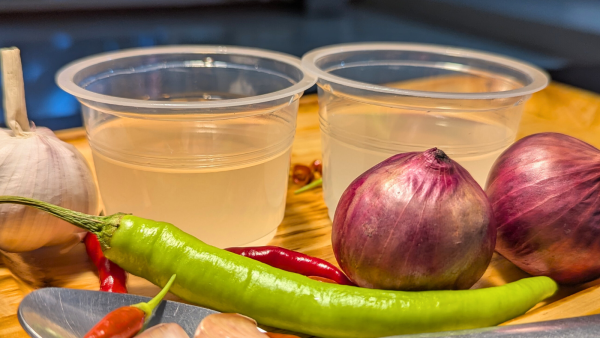
Sukang Paombong, a bold and aromatic nipa palm vinegar from Bulacan. Shot by TRipples.
The Philippine tradition of preparing buro (fermented rice) represents a unique intersection of grain-based fermentation and savory depth. Much like miso or tempeh, burong isda (fermented rice with fish) or burong hipon (fermented rice with shrimp) are strong examples of lacto-fermentation.
The process transforms cooked rice into a creamy, pungent paste—a "savory rice jam" that acts as a potent flavor catalyst. Historically a rustic staple, buro is being repositioned as a high-end umami paste by producers like Pampanga’s Best. By utilizing controlled environments to manage the fermentation of endemic fish species with local rice, these companies have standardized a product that offers a distinct textural experience: creamy, tart, and deeply savory, capable of elevating everything from stews to grain bowls.
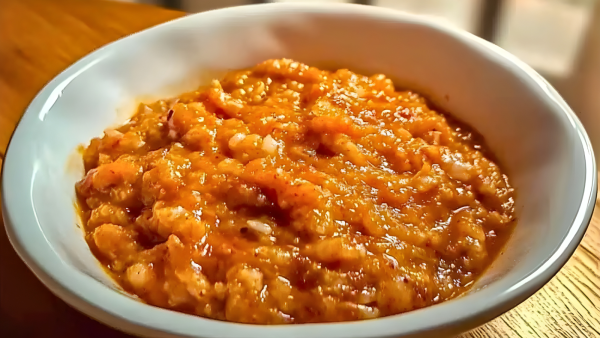
Burong Hipon, a traditional Filipino fermented shrimp delicacy. Photo credit: Kusina Secret.
While liquid fish sauces are staples in Southeast Asian exports, the Philippines’ bagoong alamang (fermented shrimp paste) offers a more concentrated and textured "umami anchor." This paste is the result of a slow breakdown of proteins, resulting in an aggressive savory profile that is essential for building "bottom notes" in complex dishes.
Industry leaders such as Lorins and Barrio Fiesta have moved beyond the traditional earthenware tapayan jars (large, thick-walled, wide-mouthed earthenware or stoneware jars) of the "wet market" and into modern, standardized production. This ensures that the intense Asian umami sought by global distributors is delivered in a consistent, high-quality format that bridges the gap between traditional craft and the requirements of global retail and industrial kitchens.
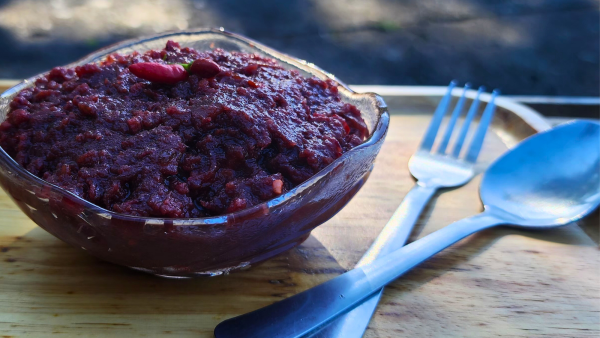
Bagoong Alamang, a salty-sweet Filipino shrimp paste that adds depth to every bite. Shot by TRipples.
The transition of Philippine fermented foods from traditional crafts to global commodities is anchored on scientific intervention. Historically, "wild" fermentation presented challenges in consistency and safety for export. The Philippine Department of Science and Technology (DOST) has since addressed these challenges by developing standardized starter cultures.
These starter cultures ensure that the fermentation process is controlled, resulting in products that meet stringent international safety standards, including Food and Drug Administration (FDA) and European Union (EU) regulations regarding histamine levels and microbial stability. Furthermore, the adoption of modern manufacturing technologies, such as retort canning, vacuum-sealing, and pasteurization, has enabled these heritage ferments to become shelf-stable without the need for artificial preservatives. This marriage of tradition and technology provides buyers with the assurance of safety and consistency without losing the "artisanal soul" of the ingredient.
As global demand for sustainable, healthy, and culturally rich food continues to grow, the Philippines enjoys a highly advantageous position with products that are as safe as they are flavorful. These heritage ingredients offer more than just a taste of the islands; they offer a scientific and culinary solution for the world’s most innovative kitchens.
***
Banner caption: Paombong & Alamang Shot by Tripples. Burong hipon from Kusina Secret.
Being a newbie in any industry is tough, most especially in the cutthroat world of food and bever-ag...

In April 2020, mountains of surplus broccoli and cauliflower were pictured decaying in the Mountain...

A country renowned for its pristine beaches and infectious hospitality, the Philippines is also the...

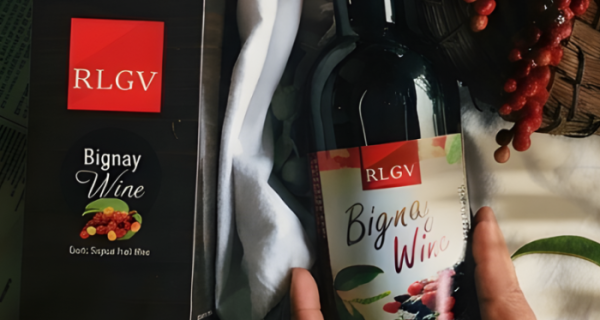
With naturally bright flavors, strong fruit-growing regions, and a growing base of specialty producers, the Philippines offers distinctive possibilities for fruit wines and fermented drinks.
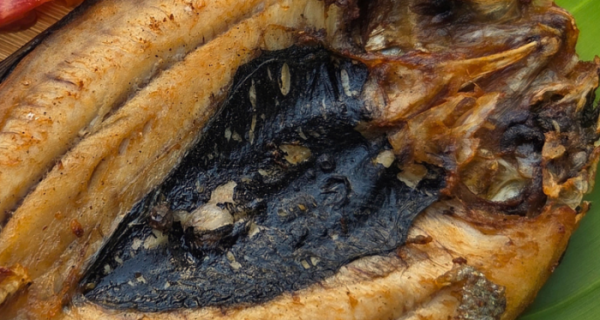
No longer just a local secret, milkfish—famously known as bangus—is quickly stepping into the international culinary spotlight, bringing its incredible versatility to dining tables around the world.
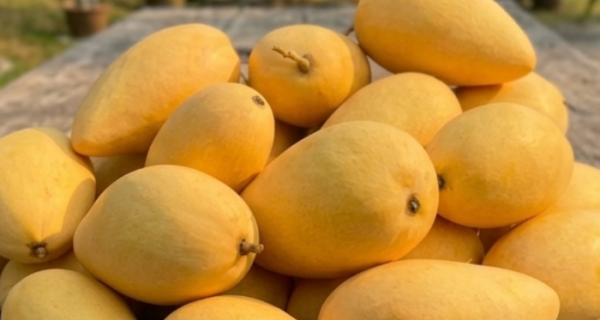
From an iconic, naturally rich sweetness to consistent year-round availability, the country’s signature fruit continuously evolves to meet sophisticated global demand.