
How to Make your Brand Stand Out
Being a newbie in any industry is tough, most especially in the cutthroat world of food and bever-ag...

CITEM advises all exhibitors, buyers, suppliers, service providers, partners, stakeholders, and the public to remain vigilant against unauthorized individuals, groups, or third-party entities falsely claiming to represent CITEM and its official programs and events.
These unauthorized communications may be sent through email, calls, SMS/text messages, social media, messaging applications, websites, or other digital channels. They may involve the alleged selling, distribution, or unauthorized access to CITEM data, databases, or contact lists. They may also involve solicitations, donation requests, sponsorship offers, payment instructions, or other monetary requests using the name of CITEM, its officials, personnel, events, or partners.
Please be reminded:
Official CITEM communications are sent only through verified official channels and corporate email domains, including @citem.com.ph.
CITEM does not authorize any individual, third-party entity, or unofficial representative to sell, distribute, share, or provide access to its official data, databases, contact lists, or stakeholder information.
CITEM does not authorize donations, sponsorship payments, direct fund transfers, e-wallet payments, or other monetary transactions through personal accounts or unofficial channels.
Do not click links, download attachments, reply, provide information, or make payments in response to suspicious communications.
If you receive any suspicious communication claiming to be connected with CITEM, please verify directly with your official project focal point or through CITEM’s official communication channels.
Thank you for your continued cooperation and vigilance.
Center for International Trade Expositions and Missions
July 13, 2026
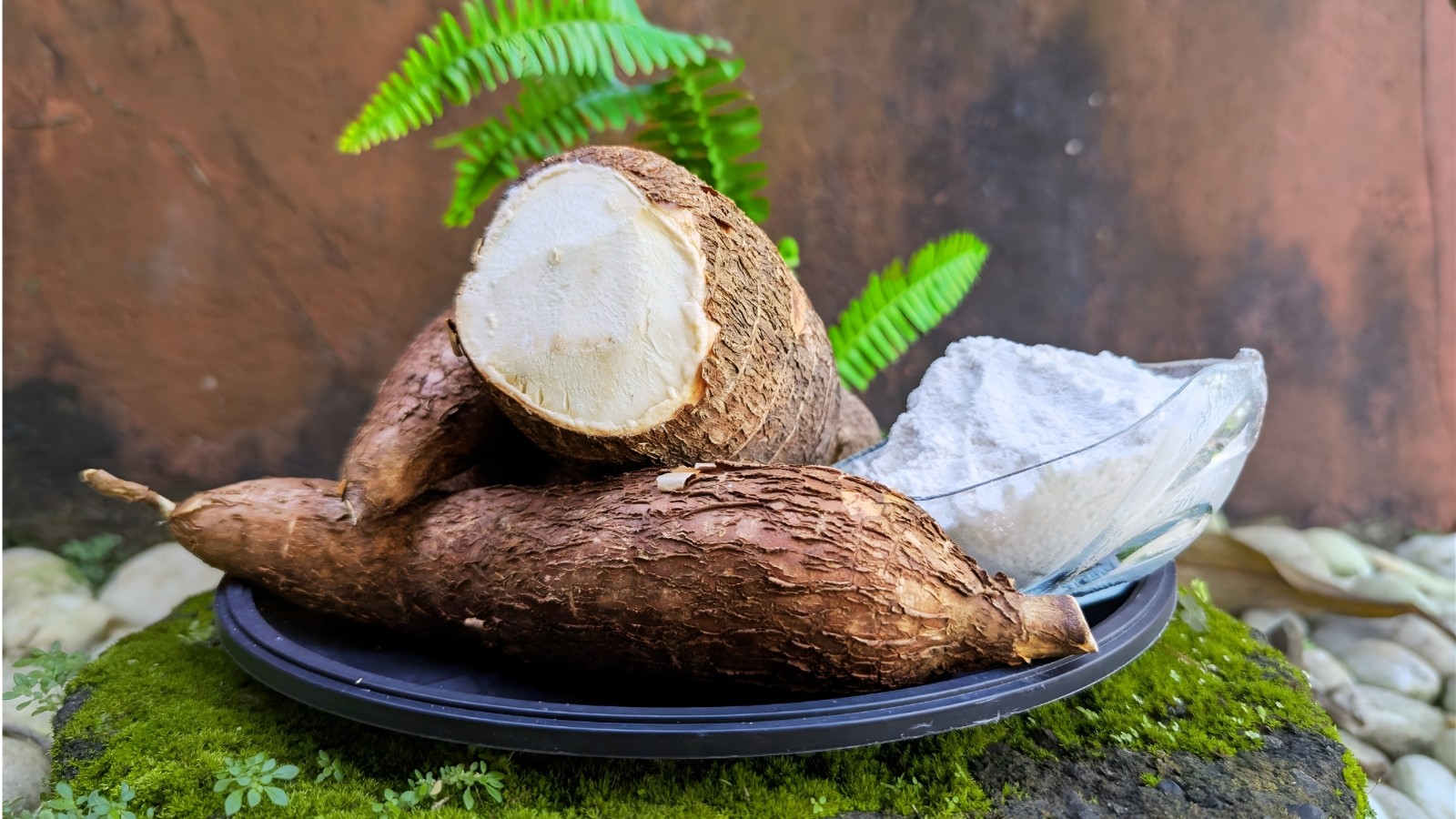
As countries worldwide focus on sustainable energy and clean-label ingredients, crops that offer both performance and versatility are gaining attention. Cassava—a resilient, high-starch root widely grown in the tropics—is emerging as a resource for everything from gluten-free products to bioethanol.
As countries worldwide focus on sustainable energy and clean-label ingredients, crops that offer both performance and versatility are gaining attention. Cassava—a resilient, high-starch root widely grown in the tropics—is emerging as a resource for everything from gluten-free products to bioethanol.
With the global search for renewable energy and healthier food alternatives accelerating, cassava is positioned as a game-changer. For the Philippines, a major producer of this golden root, this means transforming a traditional crop into a global leader.
Cassava’s role in renewable energy is significant. Its high starch content makes it an efficient feedstock for bioethanol, a sustainably sourced alternative fuel. China demonstrated this potential early: when corn shortages threatened its ethanol program in 2007, it shifted to cassava and sourced 98% of its supply from Thailand by 2010.
This trend aligns with global climate policies such as the European Union’s Renewable Energy Directive (RED) and the United States’ Renewable Fuel Standard (RFS), which mandate renewable sources in transportation fuel. As these regulations tighten, demand for alternative biofuel crops like cassava will continue to grow.
Cassava’s versatility extends beyond energy. Its roots can be processed into gluten-free flour for muffins, cookies, crackers, and pancakes—products increasingly popular in Western markets. With more consumers in North America and Europe seeking health-focused, allergen-friendly foods, cassava flour is well-positioned to meet this demand.
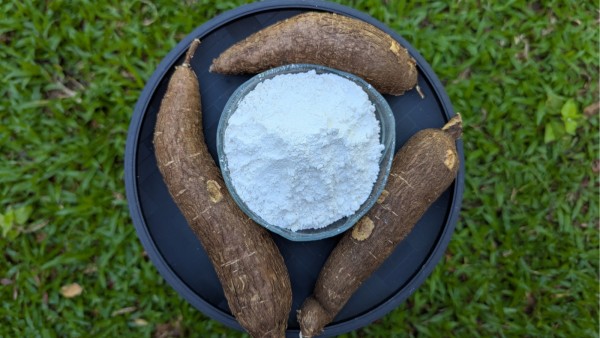
This global opportunity is massive for the Philippines. According to the Philippine Statistics Authority (PSA), the country produced 2.63 million metric tons of cassava in 2019, harvested from about 120,000 hectares of land. Production is concentrated in Mindanao, with the Bangsamoro Autonomous Region in Muslim Mindanao (BARMM) accounting for over 1 million metric tons.
Government initiatives like the Cassava Industry Roadmap and programs from the Department of Agriculture (DA) aim to modernize farming and expand processing. Support from agencies such as Land Bank, Department of Trade and Industry (DTI), and Department of Science and Technology (DOST) provides financing and technology, while the DA’s National Cassava Program offers training and market linkages.
Domestic demand is also strong. San Miguel Foods Inc. (SMFI) projected a need for 6 million metric tons of cassava for feed manufacturing, creating a supply gap of over 3.3 million metric tons back in 2019.
Despite its potential, cassava in the Philippines has mostly been limited to home-cooked snacks and animal feed–low-value uses compared to its global applications. Cassava-derived starch is essential for adhesives, textiles, and paper, all in high demand across Asia.
The biggest opportunity lies in China’s ethanol market, which spans fuel (34.5%), industrial chemicals and medicine (28.2%), and food and spirits (21.6%). Cassava exported to China supports a multi-billion-dollar industry, from gas stations to pharmaceutical labs.
Vietnam currently supplies 91% of China’s cassava imports, leaving room for the Philippines to step in as a secondary, stable source. With improved production and processing, Philippine exporters can capture this high-value market.
To maximize cassava’s potential, the Philippines must shift from raw production to high-value processing. This transition, from household staple to diversified export asset, can boost farmer incomes and strengthen the country’s role in global supply chains for sustainable food and renewable energy.
With government support, rising global demand, and strategic investment in farmer-to-exporter linkages, the Philippines is in an ideal position to scale production and capture premium opportunities.
Cassava isn’t just a root but a resource shaping global trends in food and energy. From powering eco-friendly fuels to creating gluten-free meals, Philippine cassava is proof that tradition and innovation can grow together. Let’s put this humble crop on the global map.
Being a newbie in any industry is tough, most especially in the cutthroat world of food and bever-ag...
In April 2020, mountains of surplus broccoli and cauliflower were pictured decaying in the Mountain...
A country renowned for its pristine beaches and infectious hospitality, the Philippines is also the...

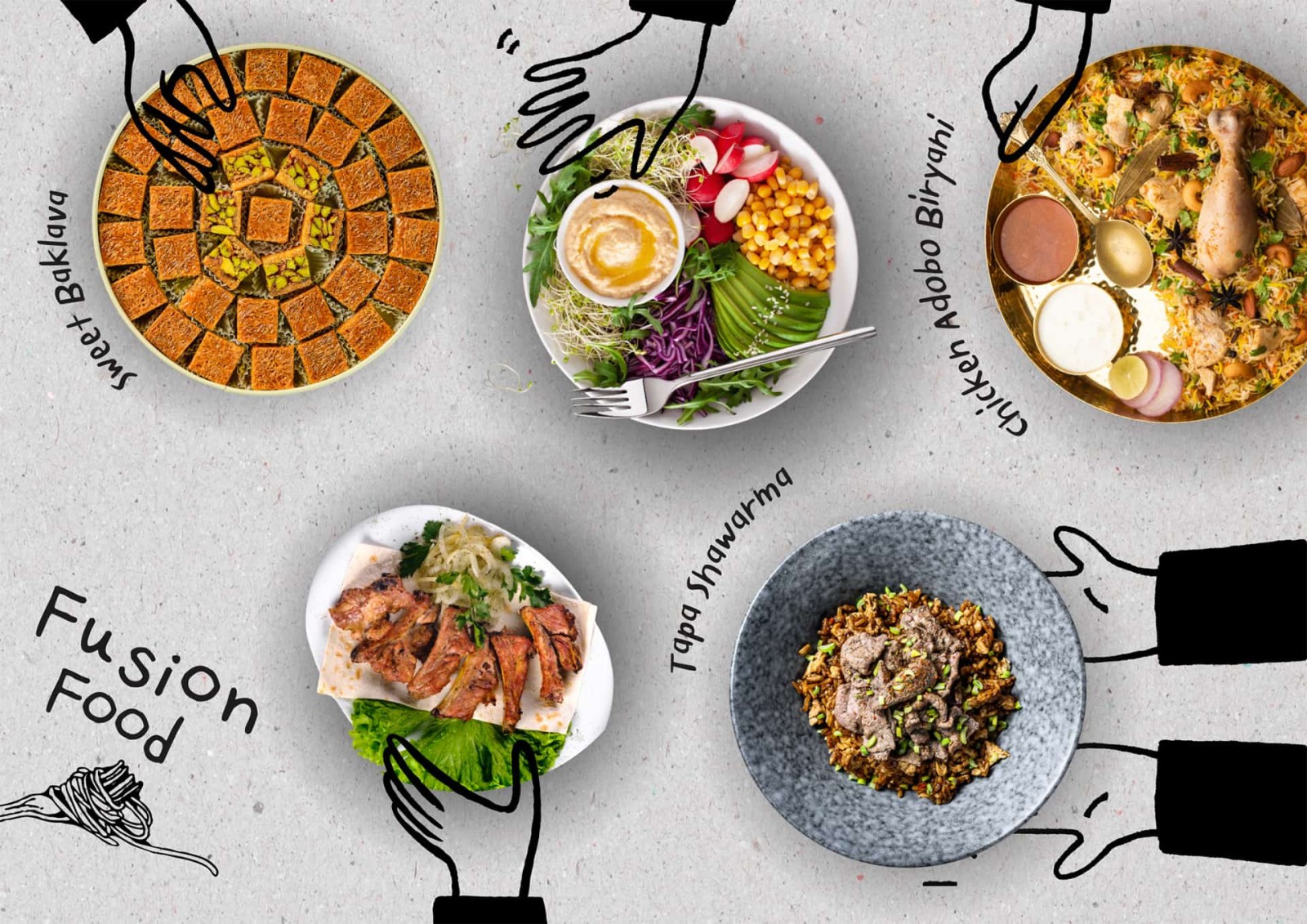
Check out these food fusions between Filipino and Middle Eastern cuisines
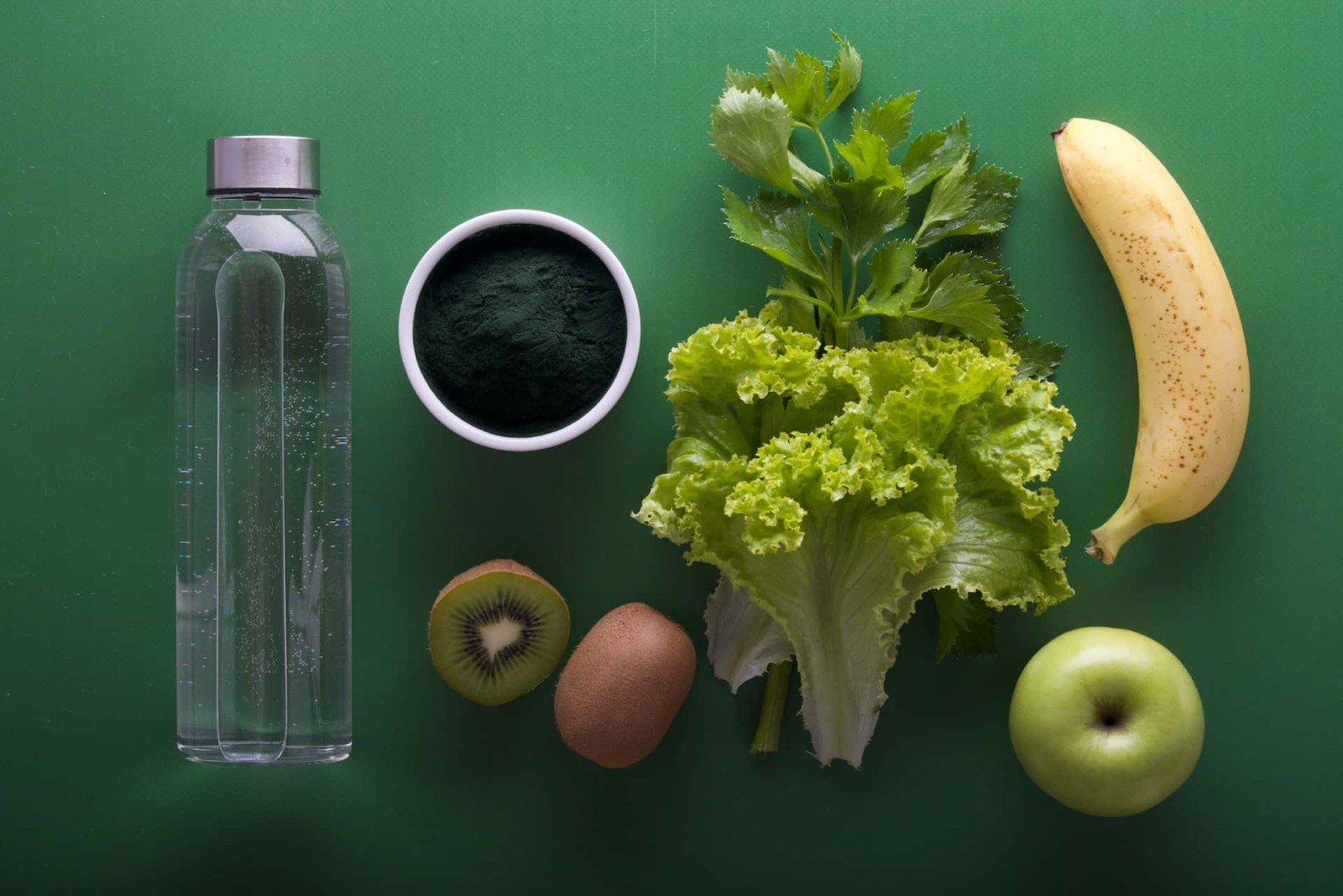
The unending quest for healthy and sustainable food amid changing lifestyles
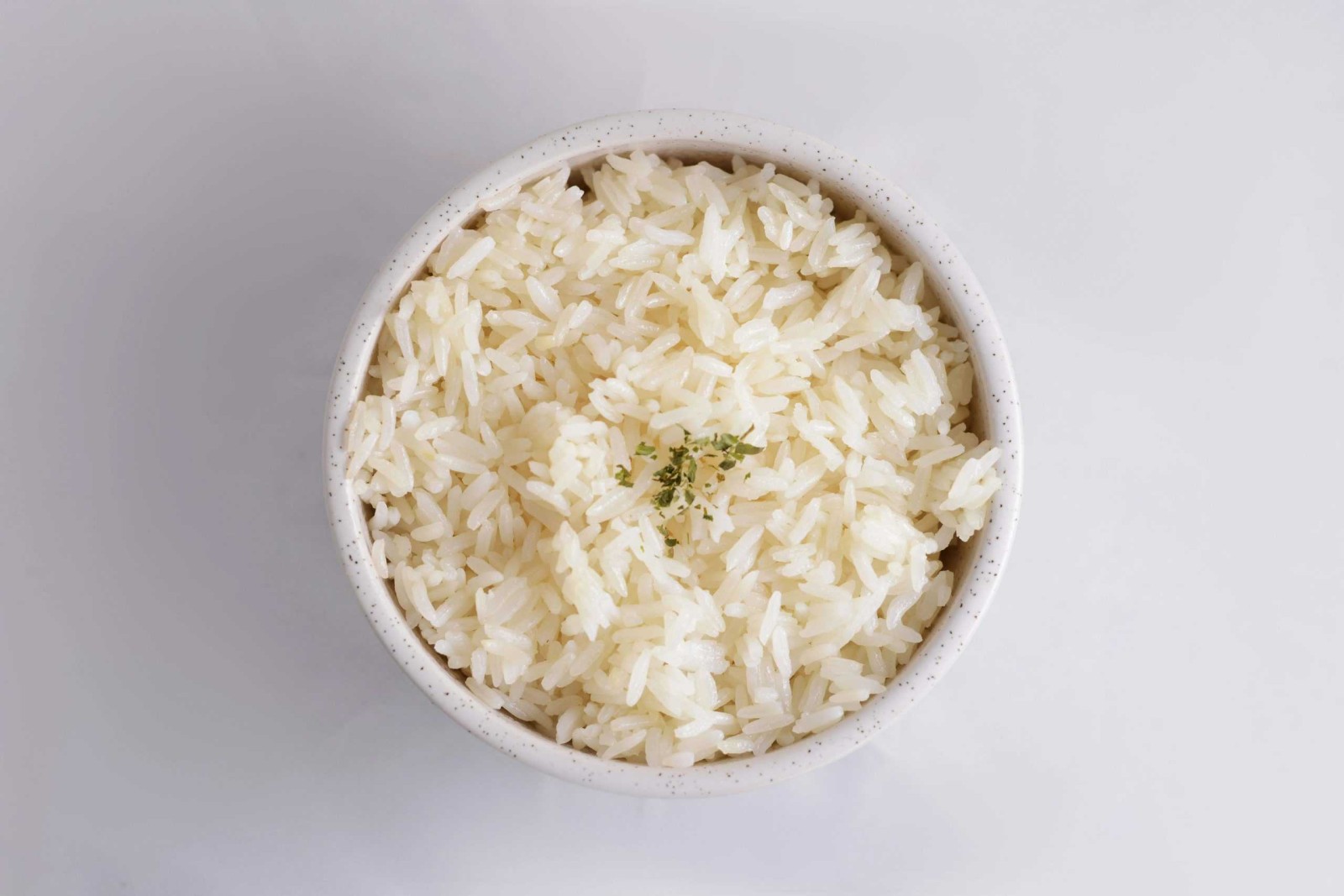
A quick look at the Philippine food staple often getting a bad health rap