
How to Make your Brand Stand Out
Being a newbie in any industry is tough, most especially in the cutthroat world of food and bever-ag...
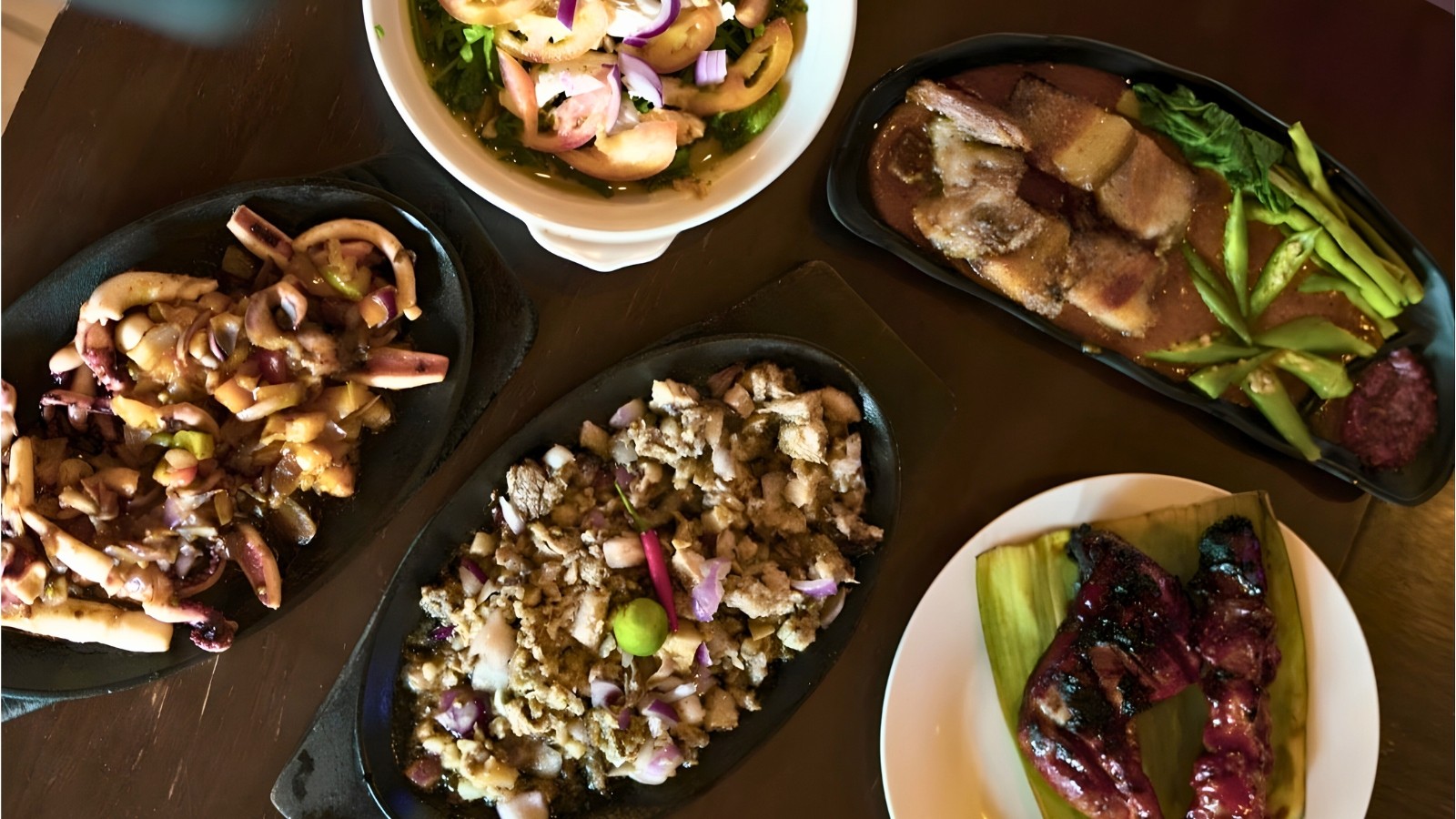
April 10, 2026
Pampanga’s rich flavors continue to champion the culinary heart of the Philippines, helping bring a piece of home to global plates.
Global culinary trends increasingly spotlight authentic regional cuisines – and Pampanga in the Philippines is at the forefront. Even as official titles are debated domestically, the recent recognition of the province’s Angeles City as Asia’s Best Emerging Culinary City Destination (2024) has amplified Kapampangan food on the world stage, underscoring both heritage and innovation.
This global visibility rests on a centuries‑old technique. Long before Spanish influence, Kapampangan cooks practiced fermentation and roasting to preserve food in lean seasons. Later, colonial contact layered Western methods onto local ingenuity. The result is a cuisine both deeply traditional and remarkably adaptive; a foundation that continues to inspire chefs worldwide.
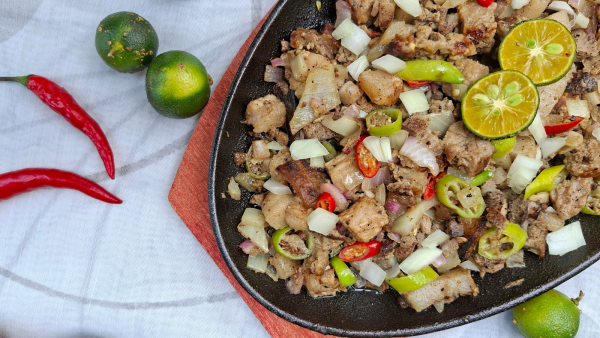
Among Pampanga’s icons, sisig (sizzling chopped pork jowl and ears seasoned with calamansi, onions, and chiles) has traveled furthest. From humble origins to sizzling plates across continents, its cultural standing is recognized locally (Angeles City’s heritage ordinance) and celebrated internationally in media and restaurants.
Alongside tocino (caramelized cured pork), longganisa (Filipino sausage), and kare‑kare (peanut‑based stew), sisig showcases Pampanga’s knack for turning simple, resourceful cuts into celebrated staples — dishes now seen in contemporary dining rooms of Asia, the continental US, and parts of Europe. This connection between food, history, and identity comes into sharp focus during diaspora celebrations.
In Milan, Italy at the Philippine Consulate General’s month‑long Kalayaan (Freedom) June 2025 program, Mekeni, Mangan Tamu: A Taste of Pampanga featured Kapampangan dishes prepared by Chef Manuela Cherry Pasion‑Tan of Philippine restaurants Apag Marangle and Cuisina Manuela; and Chef Leonard Vince Garcia, followed by gala events including the Hiyas ng Kalayaan (Jewel of Freedom) Ball at Palazzo Barozzi in Via Vivaio 7, Milan.
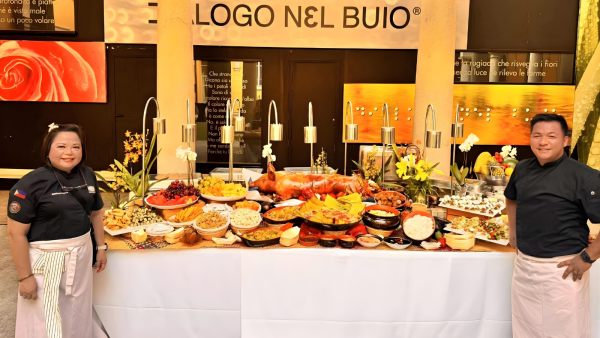
The Consulate convened restaurants, culinary groups, and specialty producers to curate menus that highlighted regional foodways, with Pampanga in the spotlight. Core offerings included kare‑kare, sisig, tabang talangka (crab‑fat) rice, tokwa’t baboy (tofu and pork), and desserts such as barquillos (crispy wafer rolls), uraro (arrowroot cookies), and creative takes on halo‑halo — heritage dishes presented for a multicultural audience.
Kapampangan cuisine thrives on innovation without losing its cultural identity. The chefs fused Italian techniques with Pampanga’s flavors, while U.S. restaurants like Magna Kusina and Señor Sisig reinvent traditional dishes for modern palates. These collaborations highlight Pampanga’s adaptability and global appeal. Blending global influences while keeping local culture at the center has helped Kapampangan food become a standout on fine‑dining tables worldwide.
The recognition of Pampanga’s Angeles City as Asia’s Best Emerging Culinary City Destination underscores its potential as a hub for culinary tourism and food innovation — an opportunity for investors, restaurateurs, and exporters seeking authentic, high-value products.
Kapampangan recipes also took center stage in Hawaii. In Honolulu from October 18 to 25, 2025, the Philippine Consulate General launched Filipino Food Week with a theme on Kapampangan recipes. This event featured a kamayan feast (a Filipino tradition of eating with bare hands) led by Chef Kealoha Domingo and Chef Jules Rodriguez, along with more than 25 participating establishments across O‘ahu (with Maui and American Samoa participants). Specials included Kapampangan‑inspired sisig, bringhe (Kapampangan-style paella), and kare‑kare.
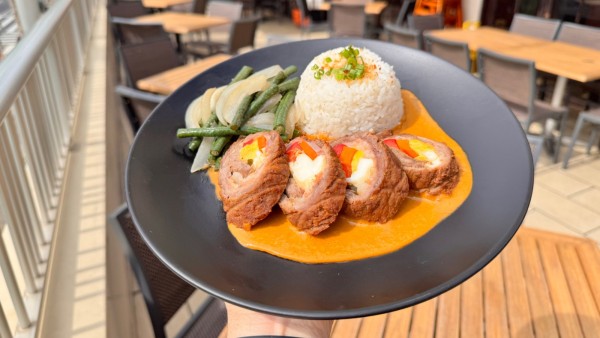
With Pampanga’s culinary growth making headlines globally, its potential to become a renowned food innovation hub is strong. The province is home to iconic dishes like sisig, longganisa (fresh or smoked sausages), tocino (cured meat), and morcon (Filipino beef roulade) – many now featured on international menus. This ascent is anchored not just in heritage and storytelling but also in the work of local farmers, livestock growers, and small-scale producers who maintain traceable food practices, slow-cooked methods, and specialty ingredients that continue to inspire culinary creators worldwide.
While Kapampangan cuisine expands across international restaurants and festivals, its strength lies in the barangays that keep traditions alive. Through sustainable local producers, like livestock farms in Mexico, Guagua, and San Fernando, to lowland vegetable growers in Floridablanca, generational recipes and techniques continue to flourish. Future growth depends on preserving these traditions while embracing innovation.
As Pampanga’s profile rises, opportunities grow for partnerships between chefs, distributors, and producer groups who keep Kapampangan flavors authentic, traceable, and ready for new markets.
Discover more premium export products that showcase Philippine innovation through IFEX Connect.
***
Banner caption: Among the Filipino dishes most recognized abroad are those rooted in Pampanga, such as sisig, tocino, and kare‑kare. Photo credit: Department of Tourism.
Being a newbie in any industry is tough, most especially in the cutthroat world of food and bever-ag...

In April 2020, mountains of surplus broccoli and cauliflower were pictured decaying in the Mountain...

A country renowned for its pristine beaches and infectious hospitality, the Philippines is also the...

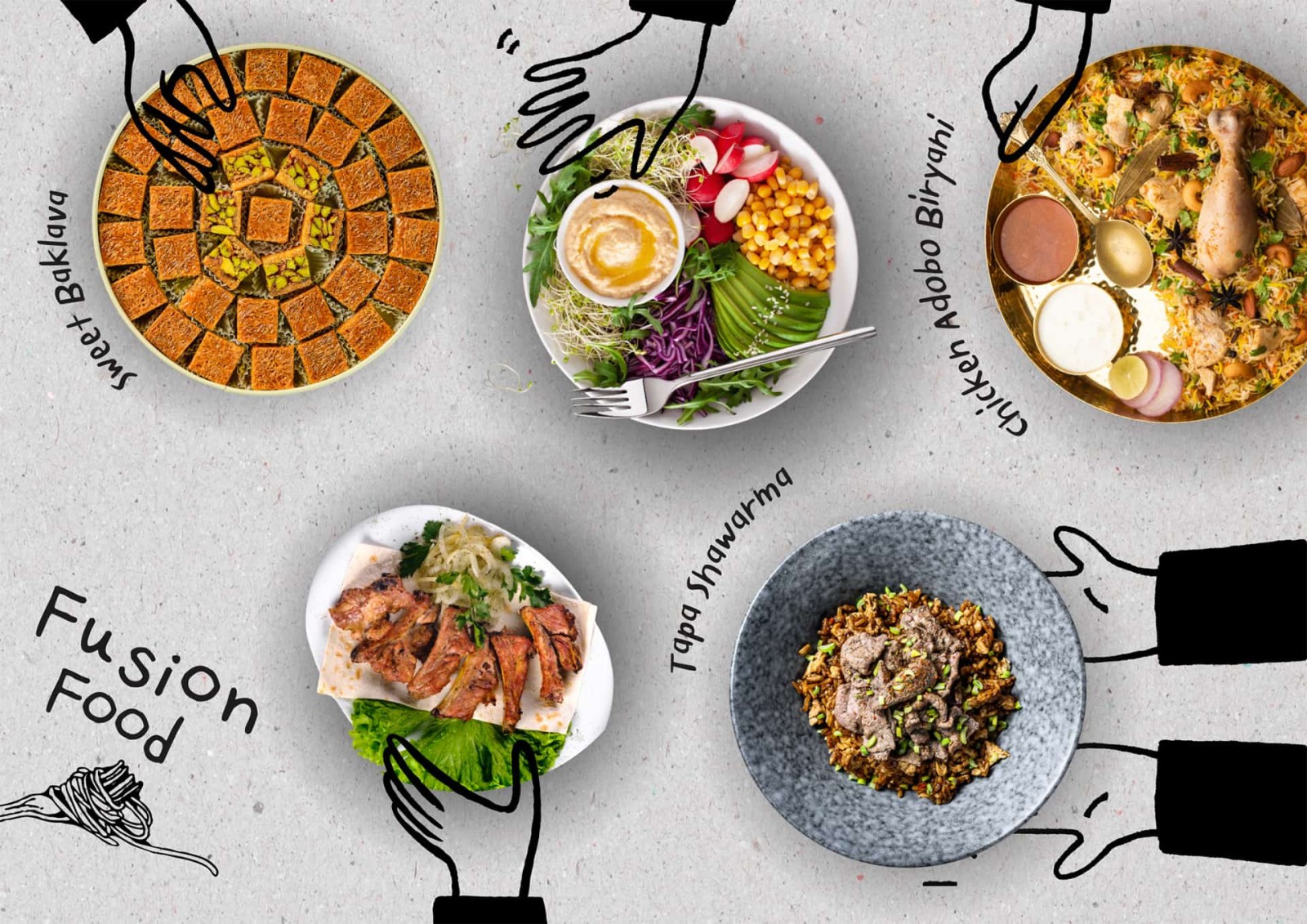
Check out these food fusions between Filipino and Middle Eastern cuisines

The unending quest for healthy and sustainable food amid changing lifestyles
A quick look at the Philippine food staple often getting a bad health rap