
How to Make your Brand Stand Out
Being a newbie in any industry is tough, most especially in the cutthroat world of food and bever-ag...

CITEM advises all exhibitors, buyers, suppliers, service providers, partners, stakeholders, and the public to remain vigilant against unauthorized individuals, groups, or third-party entities falsely claiming to represent CITEM and its official programs and events.
These unauthorized communications may be sent through email, calls, SMS/text messages, social media, messaging applications, websites, or other digital channels. They may involve the alleged selling, distribution, or unauthorized access to CITEM data, databases, or contact lists. They may also involve solicitations, donation requests, sponsorship offers, payment instructions, or other monetary requests using the name of CITEM, its officials, personnel, events, or partners.
Please be reminded:
Official CITEM communications are sent only through verified official channels and corporate email domains, including @citem.com.ph.
CITEM does not authorize any individual, third-party entity, or unofficial representative to sell, distribute, share, or provide access to its official data, databases, contact lists, or stakeholder information.
CITEM does not authorize donations, sponsorship payments, direct fund transfers, e-wallet payments, or other monetary transactions through personal accounts or unofficial channels.
Do not click links, download attachments, reply, provide information, or make payments in response to suspicious communications.
If you receive any suspicious communication claiming to be connected with CITEM, please verify directly with your official project focal point or through CITEM’s official communication channels.
Thank you for your continued cooperation and vigilance.
Center for International Trade Expositions and Missions
July 01, 2026
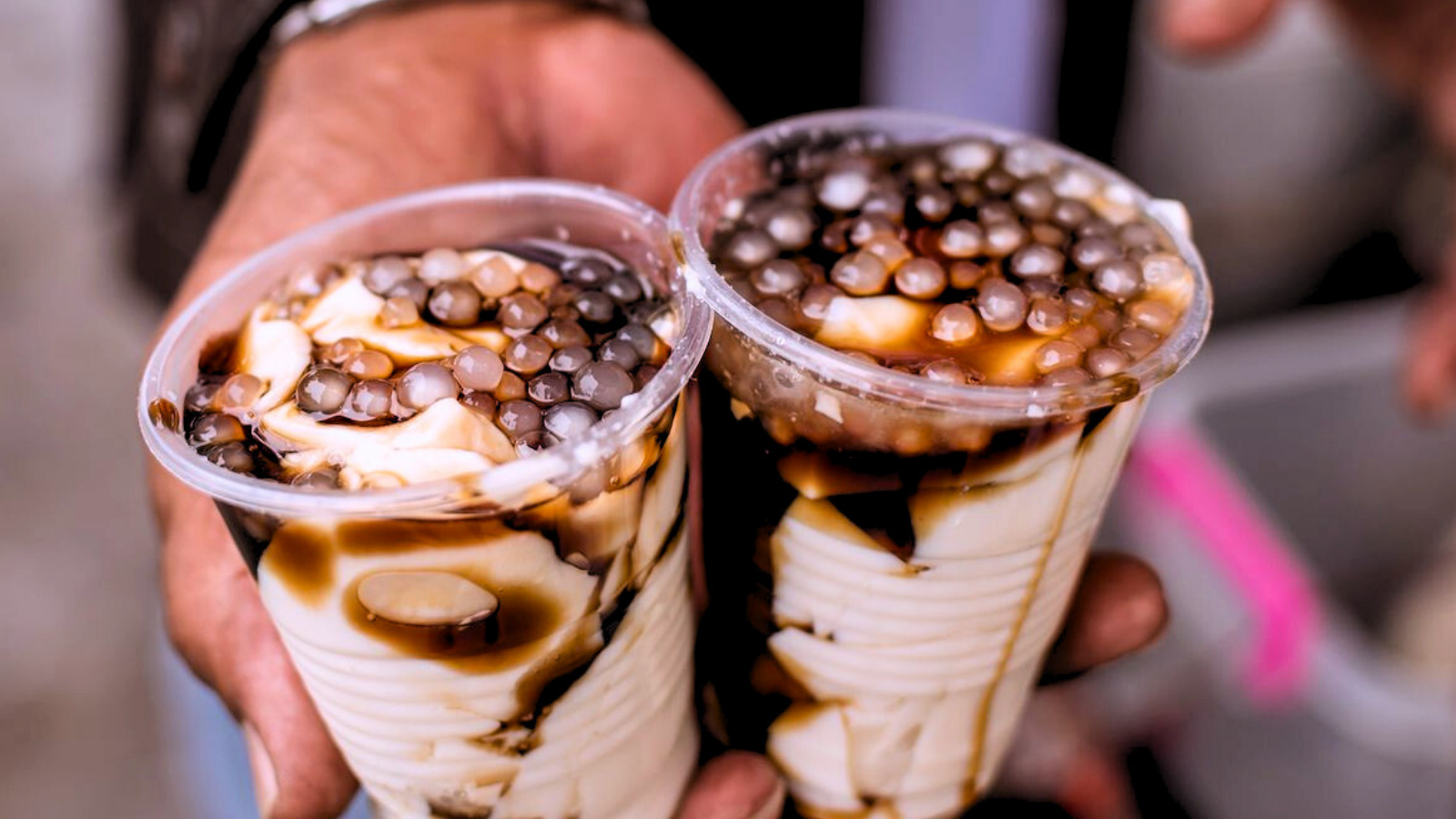
From street calls to instant kits, the Philippines’ iconic silken tofu snack is now formulated and packed for convenience, bringing a beloved tradition into the modern home.
If you grew up in the Philippines, mornings probably remind you of the magtataho, the street vendor balancing two aluminum buckets on a bamboo pole, calling out “Tahooo!” as they walk through the neighborhood. Inside those buckets? A warm, comforting mix of soft silken tofu, sweet arnibal (brown sugar syrup), and chewy sago pearls. For many, taho is more than breakfast—it’s nostalgia in a cup.
But for Filipinos living abroad, finding fresh taho has always been a challenge. Unlike dried mangoes or long-life snacks, traditional taho spoils quickly. Its short shelf life means it rarely makes it past local communities, leaving millions of overseas Filipinos craving a taste of home.
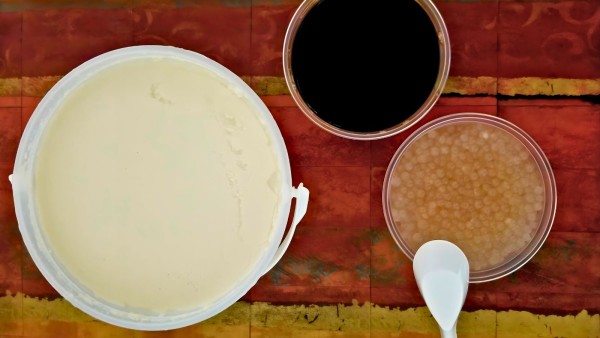
This longing is now converging with a massive global shift: the rise of the plant-based dessert trend. Today’s international consumers are moving away from dairy-heavy sweets in favor of functional, protein-rich, and ethically sourced alternatives.
The barrier to entry for taho in the international market was never its flavor, which is universally loved for its silken texture and caramel sweetness, but its logistics. Fresh silken tofu has a shelf life measured in hours, not months.
The industry has recently achieved a technological breakthrough to solve this: the development of instant taho premixes. By leveraging advanced dehydration and food preservation techniques, innovators have successfully turned a "wet" street food into a shelf-stable dry good.
Leading this charge is Miguelitos International, an export-focused brand that has cracked the code on the "nostalgia kit." Their instant taho premix allows users to recreate the authentic street experience at home by simply adding water. For the consumers, this offers a new level of convenience. It turns a delicate, short-lived snack into a pantry-ready item, ensuring that a warm, authentic cup of taho is finally accessible to anyone, anywhere.
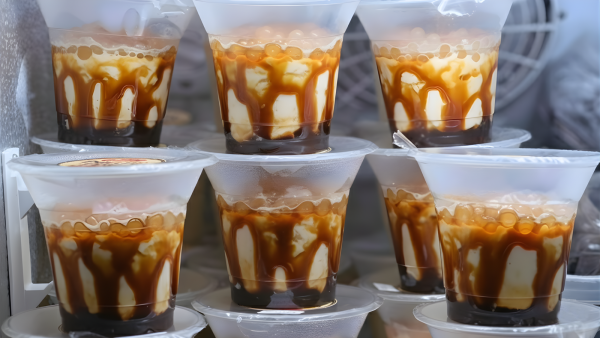
Chilled Taho that you can grab anytime of the day. Photograph by TRipples.
The global push for taho is supported by a strategic agricultural backbone. Recognizing the potential of soy-based exports, the Department of Agriculture (DA), through its High Value Crops Development Program, is aggressively boosting local soybean production. Specifically, in the Cagayan Valley, the focus is on scaling non-Genetically Modified Organisms (GMOs) soy farming to ensure long-term food security and supply chain stability.
In May 2025, the Department of Agriculture (DA) – Region II and the Agricultural Training Institute conducted a five-day Training of Trainers on soybean production and processing for agricultural extension workers in Cagayan Valley, supporting wider adoption of improved, non-GMO soybean technologies and stronger local supply chains.
The Department of Agriculture (DA) also distributed over ₱10 million worth of agricultural machinery and production inputs to farmer cooperatives in Cagayan Valley in February and May 2025, backing high-value crops such as soybeans to improve yields and postharvest efficiency.
At the national level, the Department of Agriculture (DA) earmarked ₱5.31 billion in 2025 for the production of priority crops, including soybeans, underscoring their role in food security and export-oriented value chains.
This vertical integration, ensuring that the raw materials are as high-quality as the final packaged premix, provides the traceability that modern markets demand. It transforms taho from a casual street snack into a sophisticated, sustainable industry.
The transformation of taho is a testament to how traditional Filipino food can be reinvented for the modern, global palate. It is a product that honors its street-food roots while embracing the convenience required by today’s international supply chains.
Being a newbie in any industry is tough, most especially in the cutthroat world of food and bever-ag...

In April 2020, mountains of surplus broccoli and cauliflower were pictured decaying in the Mountain...

A country renowned for its pristine beaches and infectious hospitality, the Philippines is also the...

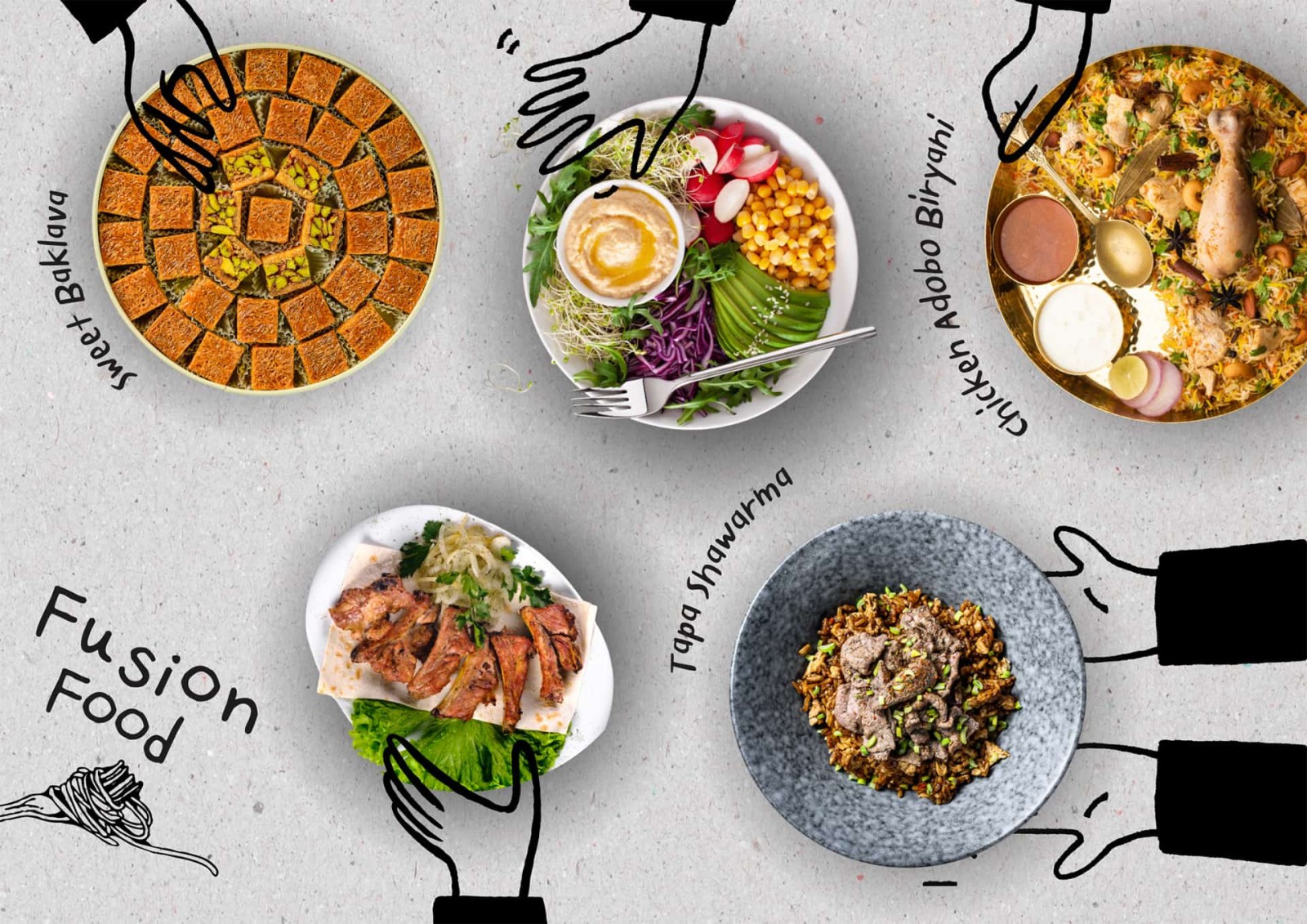
Check out these food fusions between Filipino and Middle Eastern cuisines
The unending quest for healthy and sustainable food amid changing lifestyles
A quick look at the Philippine food staple often getting a bad health rap