
How to Make your Brand Stand Out
Being a newbie in any industry is tough, most especially in the cutthroat world of food and bever-ag...
April 06, 2026
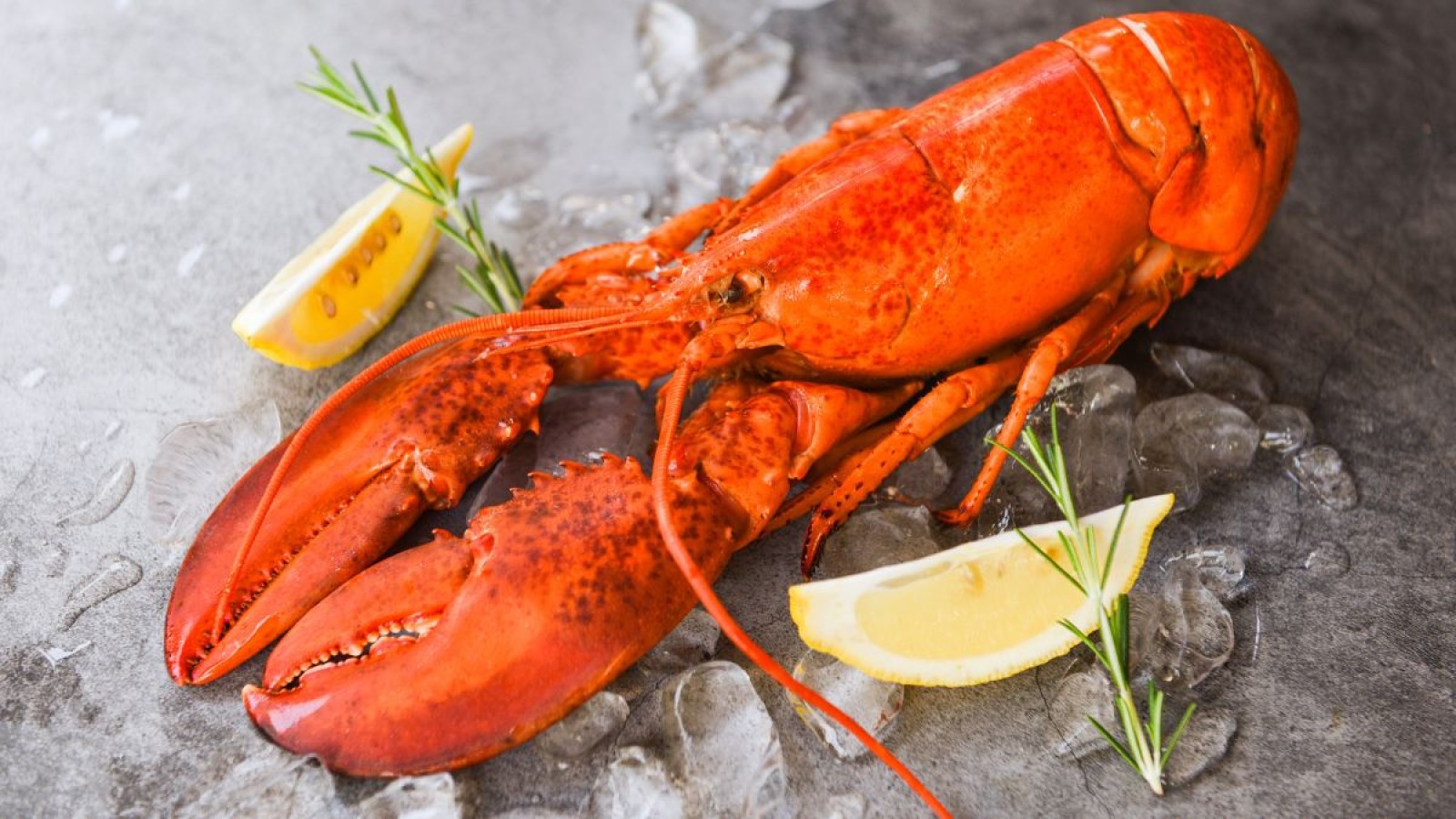
Few foods evoke luxury and indulgence quite like lobster. Once considered “poverty food” in colonial America, lobsters have transformed into a global culinary icon. Their appeal lies in their sweet, tender meat, which pairs beautifully with butter and elevates any dining experience.
Few foods evoke luxury and indulgence quite like lobster. Once considered “poverty food” in colonial America, lobsters have transformed into a global culinary icon. Their appeal lies in their sweet, tender meat, which pairs beautifully with butter and elevates any dining experience.
For many, lobster is synonymous with celebration. It is being served at weddings, fine dining restaurants, and seaside vacations. Its vibrant shell and rich flavor make it a feast for both the palate and the eyes. Its rise from an ingredient once considered humble in some parts of the world to a sought‑after delicacy is tied to a combination of perception, cultural prestige, and the dining settings in which it usually appears.
Lobster’s allure is rooted in its unique taste and texture. Unlike most seafood, lobster meat is mildly sweet, succulent, and firm, making it versatile for various cooking methods — boiled, grilled, baked, or turned into bisque. Beyond flavor, its association with milestones and gatherings enhances its festive character. In many cultures, and increasingly within Filipino celebrations, lobster is more than food. It is an experience. It is the ingredient that signals abundance, generosity, and a reason to gather — whether served at a beachside boodle fight (a communal Filipino spread traditionally eaten with hands) or as the centerpiece of a salu-salo (feast).
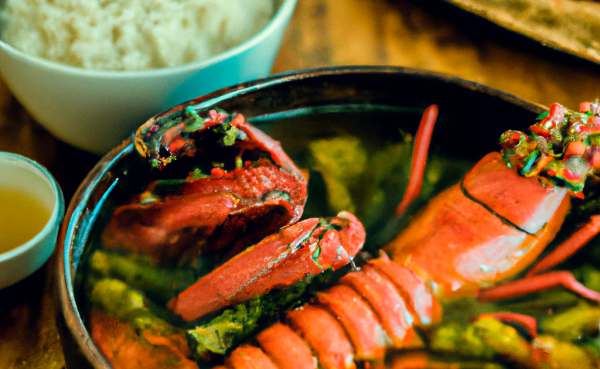
In the Philippines, lobster is a prized ingredient, often reserved for festive gatherings or upscale dining. While not as common as shrimp or crab, it has steadily found its way into local kitchens as more Filipinos experiment with premium seafood at home. Today, lobster shines not only in restaurant-worthy creations, but also in dishes that showcase Filipino creativity and love for bold flavors.
These three elevated favorite preparations highlight that lobster can be familiar and within reach, while still lending itself beautifully to more elaborate specialties that can easily become the star of any celebration.
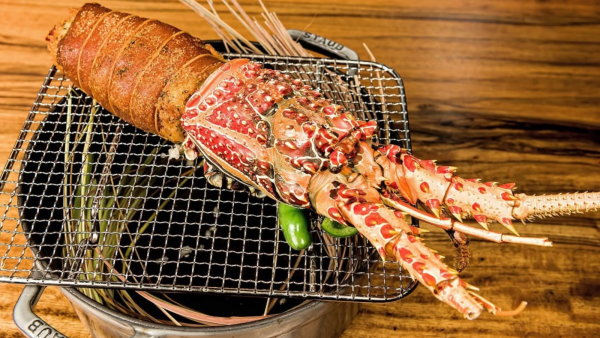
Chefs around the world celebrate lobster for its versatility and elegance. Lobster is a canvas for flavor as it adapts beautifully to tropical ingredients, from the creamy, mild sweetness of coconut milk to the sour notes of calamansi. This sentiment reflects the growing trend of incorporating premium seafood into Filipino gastronomy, blending tradition with innovation. Whether enjoyed in a classic buttered bake or a tangy sinigang, lobster offers a taste experience that’s both indulgent and deeply satisfying.
So, the next time you are planning a special meal, think beyond the usual and give lobster a Filipino twist. It is a global favorite that feels right at home on our tables.
***
Banner caption: Freshly harvested lobster, expertly handled and served at Okada Manila’s Medley Buffet. Photo credit: SPOT.PH
Being a newbie in any industry is tough, most especially in the cutthroat world of food and bever-ag...

In April 2020, mountains of surplus broccoli and cauliflower were pictured decaying in the Mountain...

A country renowned for its pristine beaches and infectious hospitality, the Philippines is also the...

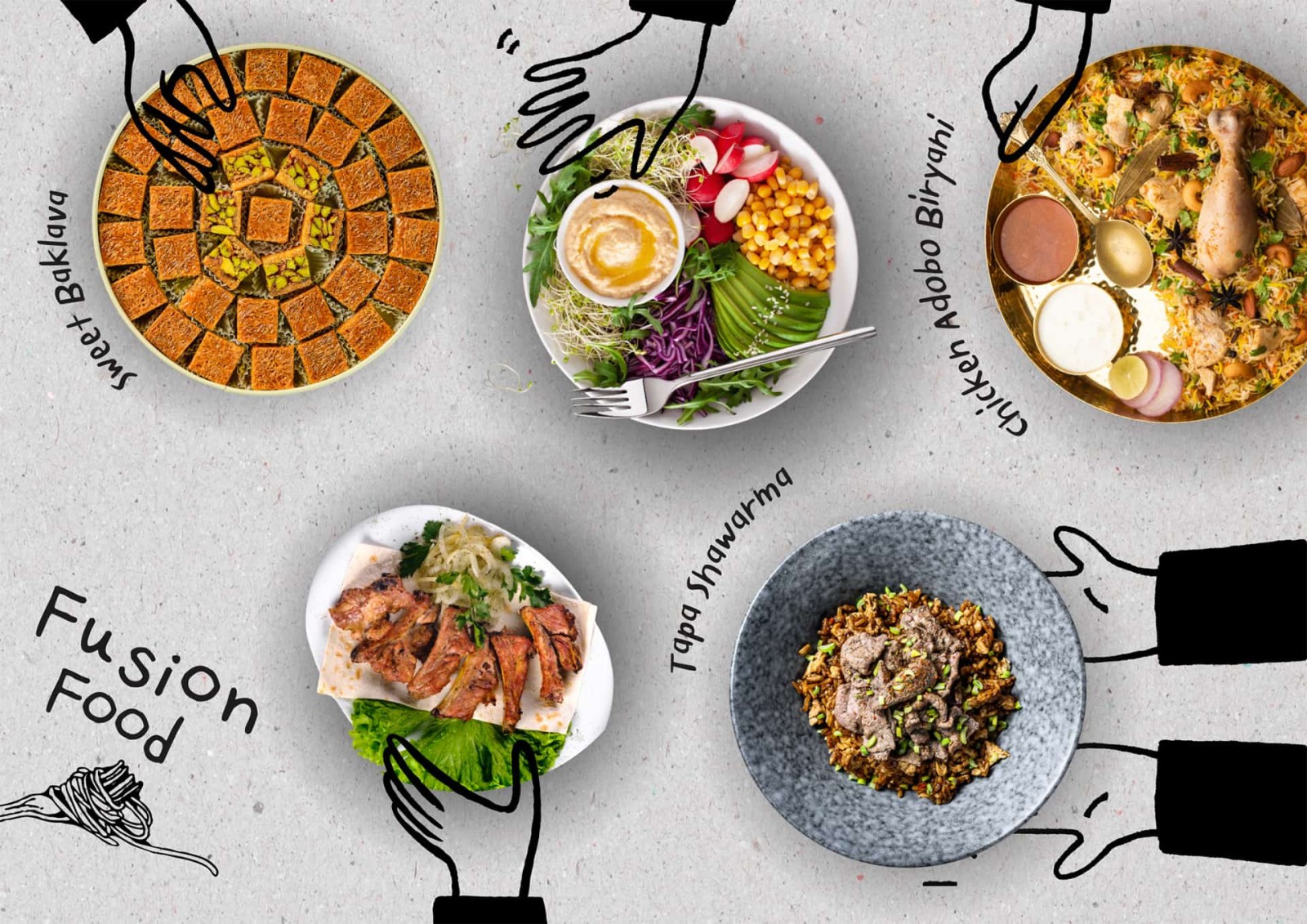
Check out these food fusions between Filipino and Middle Eastern cuisines
The unending quest for healthy and sustainable food amid changing lifestyles
A quick look at the Philippine food staple often getting a bad health rap