
How to Make your Brand Stand Out
Being a newbie in any industry is tough, most especially in the cutthroat world of food and bever-ag...

CITEM advises all exhibitors, buyers, suppliers, service providers, partners, stakeholders, and the public to remain vigilant against unauthorized individuals, groups, or third-party entities falsely claiming to represent CITEM and its official programs and events.
These unauthorized communications may be sent through email, calls, SMS/text messages, social media, messaging applications, websites, or other digital channels. They may involve the alleged selling, distribution, or unauthorized access to CITEM data, databases, or contact lists. They may also involve solicitations, donation requests, sponsorship offers, payment instructions, or other monetary requests using the name of CITEM, its officials, personnel, events, or partners.
Please be reminded:
Official CITEM communications are sent only through verified official channels and corporate email domains, including @citem.com.ph.
CITEM does not authorize any individual, third-party entity, or unofficial representative to sell, distribute, share, or provide access to its official data, databases, contact lists, or stakeholder information.
CITEM does not authorize donations, sponsorship payments, direct fund transfers, e-wallet payments, or other monetary transactions through personal accounts or unofficial channels.
Do not click links, download attachments, reply, provide information, or make payments in response to suspicious communications.
If you receive any suspicious communication claiming to be connected with CITEM, please verify directly with your official project focal point or through CITEM’s official communication channels.
Thank you for your continued cooperation and vigilance.
Center for International Trade Expositions and Missions
June 23, 2026
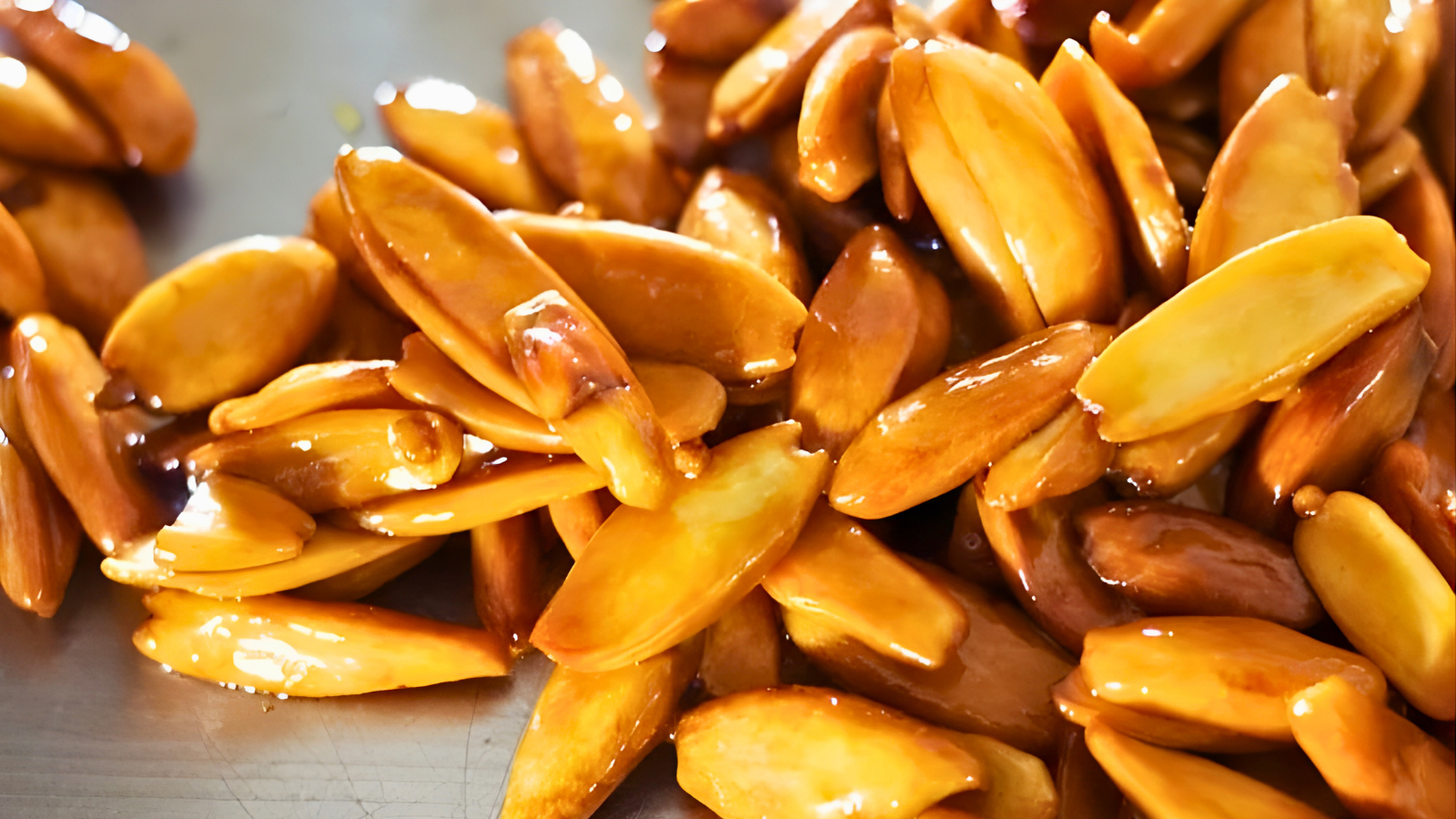
Armed with fresh European approval and upscale culinary makeovers, Bicol’s buttery treasure is shedding its niche shell to captivate global palates.
In the competitive landscape of healthy foods, the global search for the next sustainable superfood is relentless. As consumers gravitate toward Keto, Paleo, and plant-based diets, the demand for nutrient-dense fats has never been higher. Almonds and cashews, both widely recognized for their high levels of healthy fats and protein, have long dominated this category in global retail and food service markets. While these nuts remain staples, an alternative is emerging from the volcanic soils of the Philippines: the Philippine pili nut (Canarium ovatum) is already gaining ground as a viable premium alternative in the premium snack market, offering a unique proposition that goes beyond simple nutrition.
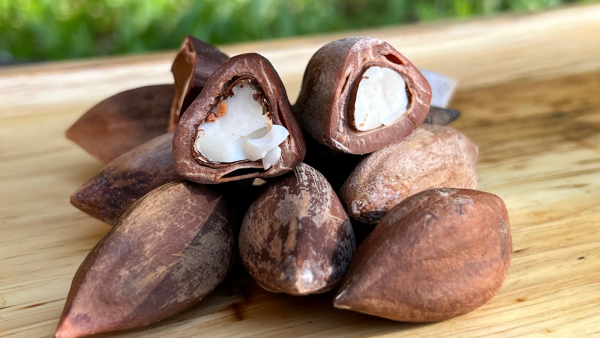
Freshly cracked pili nuts, a nut native to the Philippines. Shot by Tripples
Often referred to as the "Caviar of Nuts," the pili nut is a study in exclusivity and resilience. Grown almost exclusively in the Bicol region, which accounts for nearly 90% of production, these trees flourish in harsh, typhoon-prone environments, requiring minimal intervention and no artificial irrigation. The pili nut also offers one of the highest fat contents and among the lowest carbohydrate levels across commonly traded nuts, boasting a rich, buttery texture that melts in the mouth.
A green light for global trade
For years, the challenge wasn't quality, but access. However, a significant milestone was reached in early 2023 with the issuance of European Commission Implementing Regulation (EUIR) 2023/267. This directive officially authorized the entry of dried pili nuts into the 27 member states of the European Union, overturning previous restrictions.
Supported by the Department of Agriculture (DA) and the Bureau of Plant Industry (BPI), the sector has moved toward Farm and Fisheries Clustering and Consolidation (F2C2). This strategy organizes smallholder farmers, who traditionally manage backyard trees and crops into unified production blocks like the Albay Pili and Cacao Industry Association. Pooling resources allow these clusters to leverage shared service facilities (SSFs) and agricultural trading centers, such as the recently established mega cold storage facility in Pili, Camarines Sur.
Elevating heritage brands
The industry’s maturity is best reflected in its brands, which have evolved from traditional pasalubong (souvenir) stalls to major enterprises.
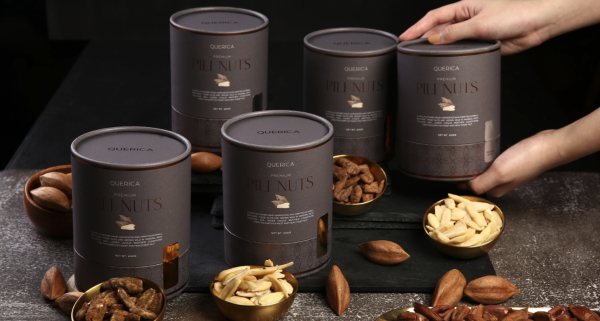
This evolution is spearheaded by innovators like QueRica, a brand that champions the elevation of Bicolano cuisine. Founder Rica Dacudao Buenaflor, a Bicolana by affinity, has transformed the humble nut into a gourmet experience. Sourcing premium kernels from Sorsogon, QueRica moves beyond the standard sugar-glazing, integrating the nut into a broader culinary narrative that includes savory applications and regional delicacies. Her approach demonstrates the nut's versatility as a premium superfood ingredient, not just a snack.
Similarly, the enduring legacy of J. Emmanuel Pastries, also known as "The House of Pili,” is a success story of the Department of Trade and Industry’s (DTI) product development programs. This company, based in Canaman, Camarines Sur, has professionalized the production of mazapan (a local marzipan-like treat) and other nut variants. They serve as a prime example of export readiness, welcoming foreign buyers directly to their facilities to experience the quality firsthand.
The industry also honors its roots through generational resilience. Vicky’s Pili and Food Products began in 1981 with founders Joe and Vicky Navarro selling treats beside a bus terminal in the quiet town of Irosin, Sorsogon. Today, the business has been modernized by the second generation. Since taking over in 2010, the children have introduced fresh business practices and production innovations, proving that a family-run operation can scale up to meet modern standards while retaining the authentic heart of the brand.
The future of sustainable snacking
The Philippine pili nut is no longer just a local secret; it is a viable, high-value alternative for the global market. With sustainable and healthy snacking at the forefront of consumer trends, the industry offers a product that supports biodiversity, sustains local farming communities, and delivers an unmatched nutritional profile. It is not a far stretch to imagine this powerhouse evolving on the world stage—recognized not only as a premium nut variety but also as a highly coveted, foundational ingredient in the world’s most beloved food staples.
Being a newbie in any industry is tough, most especially in the cutthroat world of food and bever-ag...

In April 2020, mountains of surplus broccoli and cauliflower were pictured decaying in the Mountain...

A country renowned for its pristine beaches and infectious hospitality, the Philippines is also the...

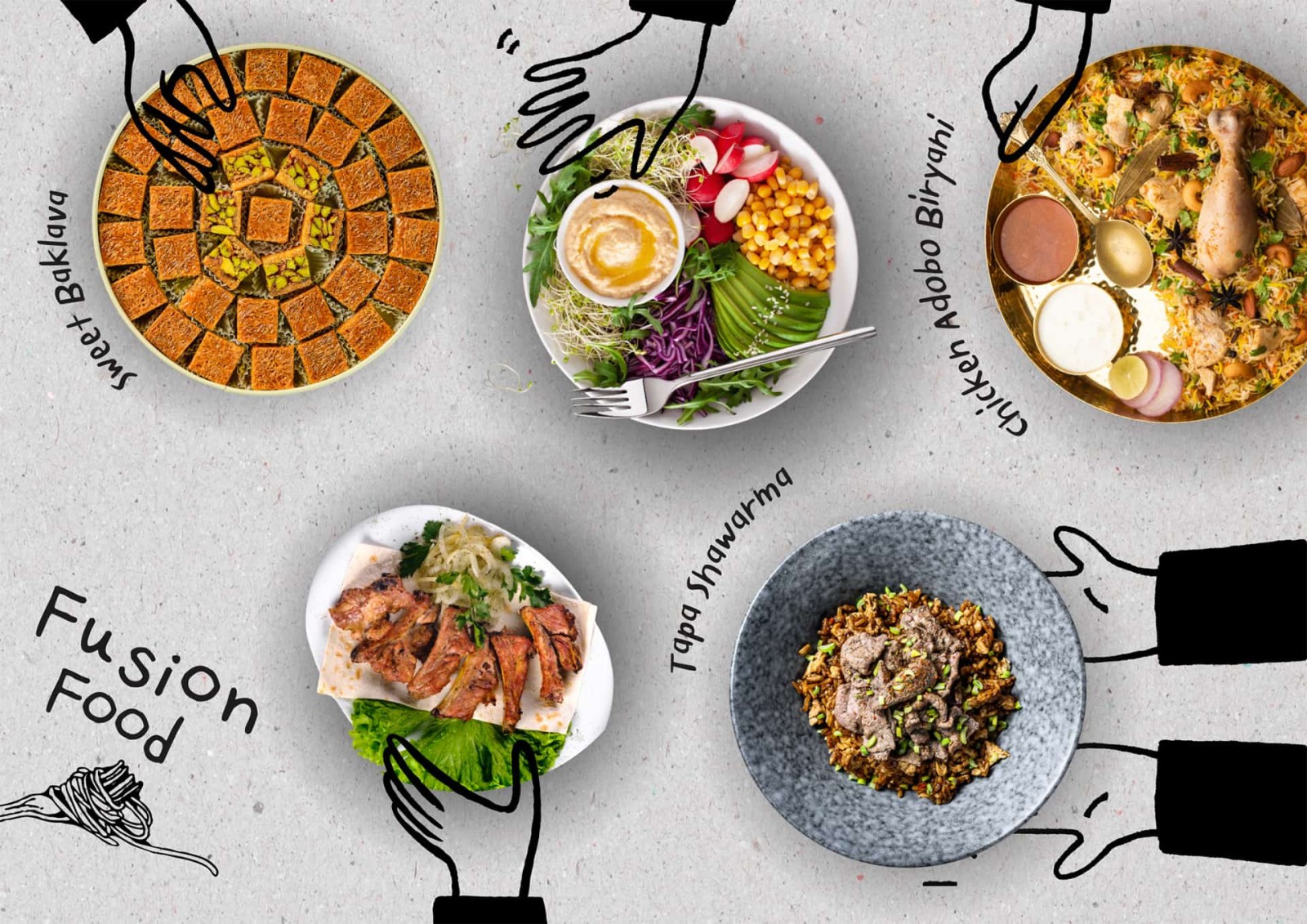
Check out these food fusions between Filipino and Middle Eastern cuisines
The unending quest for healthy and sustainable food amid changing lifestyles
A quick look at the Philippine food staple often getting a bad health rap