
How to Make your Brand Stand Out
Being a newbie in any industry is tough, most especially in the cutthroat world of food and bever-ag...

CITEM advises all exhibitors, buyers, suppliers, service providers, partners, stakeholders, and the public to remain vigilant against unauthorized individuals, groups, or third-party entities falsely claiming to represent CITEM and its official programs and events.
These unauthorized communications may be sent through email, calls, SMS/text messages, social media, messaging applications, websites, or other digital channels. They may involve the alleged selling, distribution, or unauthorized access to CITEM data, databases, or contact lists. They may also involve solicitations, donation requests, sponsorship offers, payment instructions, or other monetary requests using the name of CITEM, its officials, personnel, events, or partners.
Please be reminded:
Official CITEM communications are sent only through verified official channels and corporate email domains, including @citem.com.ph.
CITEM does not authorize any individual, third-party entity, or unofficial representative to sell, distribute, share, or provide access to its official data, databases, contact lists, or stakeholder information.
CITEM does not authorize donations, sponsorship payments, direct fund transfers, e-wallet payments, or other monetary transactions through personal accounts or unofficial channels.
Do not click links, download attachments, reply, provide information, or make payments in response to suspicious communications.
If you receive any suspicious communication claiming to be connected with CITEM, please verify directly with your official project focal point or through CITEM’s official communication channels.
Thank you for your continued cooperation and vigilance.
Center for International Trade Expositions and Missions
July 21, 2026
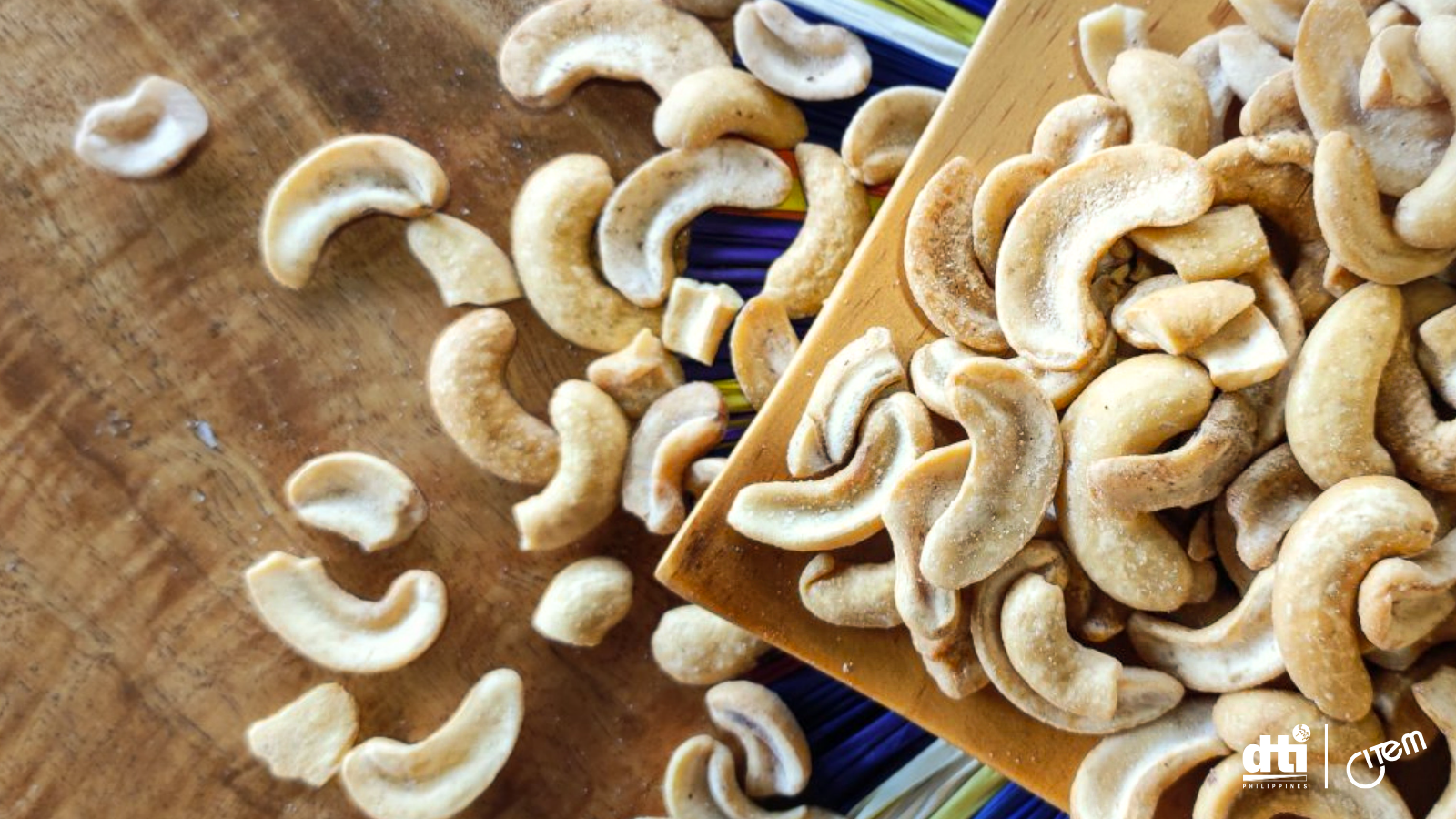
More than just a tasty treat, cashew, known locally as “kasoy” is a tropical treasure. It is a nutrient-packed superfood deeply valued in Filipino cuisine and agriculture, offering endless possibilities for snacking and cooking. Rich in healthy fats, protein, and essential minerals, it is widely grown across regions like Palawan and Northern Luzon, where it supports both local diets and livelihoods.
Cashews have been part of Southeast Asian diet for centuries, yet they often take a backseat to imported nuts like almonds and walnuts. In the Philippines, cashews or kasoy are more than just a snack; it is a cultural staple, a source of regional livelihood, and a versatile ingredient that has earned its place at the global table.
The Philippines also boasts several improved cashew varieties recognized and promoted through national research and seed programs. These include red types such as Makiling and Red Princess (the latter known for its large, juicy apple and high productivity), and yellow types like Mitra, Guevarra, and Nagbayto, valued for their yield and nut quality. Alongside other recommended cultivars, these varieties highlight the country’s efforts to enhance cashew production and preserve its role as a nutritious, versatile crop.
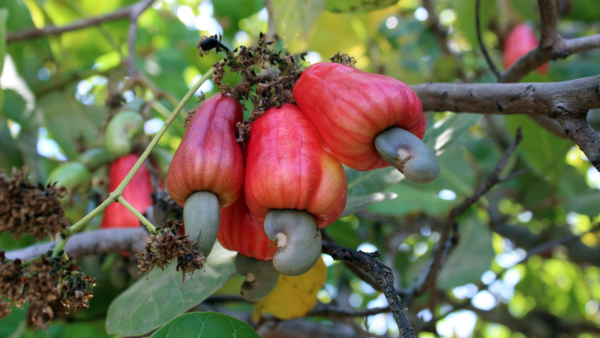
The Philippines makes for an ideal home for cashew trees since they thrive in tropical climates. Palawan, in particular, is famous for its cashew production, with farms that have sustained local communities for generations. This local base allows producers to turn kasoy into a wide range of familiar products, from roasted snacks to sweet confections, such as cashew brittle and polvoron (Filipino powdered shortbread).
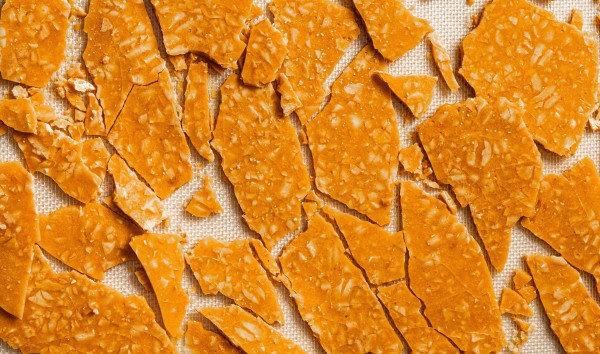
Whether eaten on their own or incorporated into dishes, cashews offer both taste and nutritional benefits. Cashews are packed with nutrients that support overall health, making them a smart choice for health‑conscious consumers. Studies have shown that cashews contain heart‑friendly unsaturated fats that maintain healthy cholesterol levels, while their plant-based protein provides sustained energy and supports muscle health. Research also highlights that cashews are rich in essential minerals, like magnesium and zinc, that contribute to bone strength, immune function, and improved metabolism, reinforcing cashews’ reputation as a nutrient-dense “superfood.”
Compared to other nuts, cashews also have a naturally creamy texture and mild flavor, making them incredibly versatile for both sweet and savory dishes.
What makes cashews truly interesting is how well they complement local flavors. They can be added to traditional dishes like kare-kare (Filipino peanut stew) for extra crunch or used as a base for sauces and desserts. For those who love experimenting, cashews can even be blended into dairy-free spreads or plant-based milk.
Unlike heavily processed snacks, cashews can be enjoyed in their natural form, free from artificial additives. Even better, their shells and by-products can be repurposed into valuable materials (such as cashew nutshell liquid used for industrial resins and organic compost), helping reduce waste and support eco‑friendly practices.
Whether you are looking for a quick, wholesome snack or an ingredient to elevate your home-cooked meals, cashews are a fantastic option. They are nutrient-dense, versatile, and deeply rooted in Filipino culture — a true superfood hiding in plain sight.
Being a newbie in any industry is tough, most especially in the cutthroat world of food and bever-ag...

In April 2020, mountains of surplus broccoli and cauliflower were pictured decaying in the Mountain...

A country renowned for its pristine beaches and infectious hospitality, the Philippines is also the...

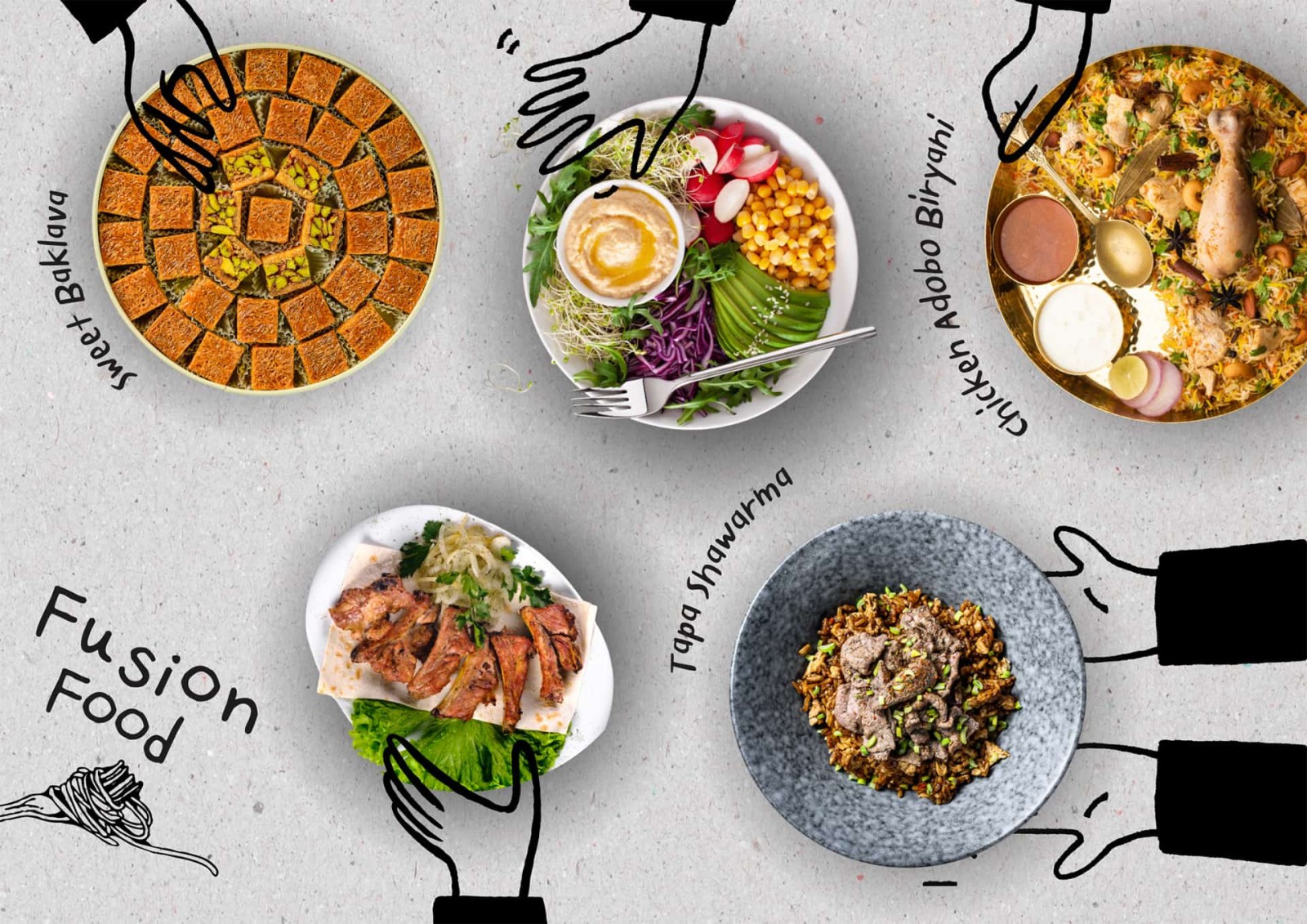
Check out these food fusions between Filipino and Middle Eastern cuisines
The unending quest for healthy and sustainable food amid changing lifestyles
A quick look at the Philippine food staple often getting a bad health rap