
How to Make your Brand Stand Out
Being a newbie in any industry is tough, most especially in the cutthroat world of food and bever-ag...

CITEM advises all exhibitors, partners, and stakeholders to remain vigilant against unauthorized emails claiming to offer access to IFEX Philippines, SSX, or CITEM attendee, visitor, buyer, or exhibitor lists.
Please be reminded of the following security measures:
Official communications from CITEM, IFEX Philippines, and SSX are sent only through verified official channels and corporate email domains, including @citem.com.ph.
CITEM does not authorize third-party entities to sell, distribute, or provide access to official attendee, visitor, buyer, or exhibitor databases.
We will never ask for sensitive financial details, passwords, or direct payments through unofficial third-party channels or personal email accounts.
If you receive a suspicious email, especially one offering event databases, using urgent pressure tactics, or coming from an unfamiliar address:
If you are unsure about the authenticity of any communication you receive, please verify it with your official project focal point or contact CITEM directly through its official websites and communication channels.
Thank you for your continued cooperation and vigilance.
Center for International Trade Expositions and Missions
May 19, 2026
As one of the countries capable of cultivating all four commercial coffee species, the Philippines leverages its vertical geography and tropical terroir to offer biodiversity-driven value to the evolving specialty market.
Drinking coffee is a daily ritual in the Philippines, but the country’s distinction lies not in its consumption volume but in its biological diversity. Situated within the equatorial Coffee Belt, the archipelago’s varied topography—from the volcanic lowlands of Batangas province in southern Luzon, Philippines, to the high elevations of the Cordillera Administrative Region in northern Luzon—creates microclimates capable of sustaining four commercial species: Arabica, Robusta, Liberica, and Excelsa.
Globally, production is dominated by Arabica and Robusta, with countries such as Brazil and Vietnam leading in export scale. However, the Philippines does not compete on volume; instead, its competitive edge lies in offering buyers access to species diversity within a single origin—an increasingly strategic advantage for specialty roasters seeking distinctive blending components and traceable supply chains.
In the Philippines, elevation, rainfall patterns, soil composition, and proximity to coastal winds shape cup characteristics across species.
Each variety thrives in a specific ecological niche, producing profiles that reflect the archipelago’s layered terrain.
Within a single-country portfolio, Arabica provides aromatic lift and acidity, Robusta contributes body and structure, Liberica introduces bold floral intensity, and Excelsa delivers bright, fruit-driven contrast. This consolidated biodiversity enables specialty buyers and roasters to construct layered flavors while maintaining origin consistency and streamlined traceability.
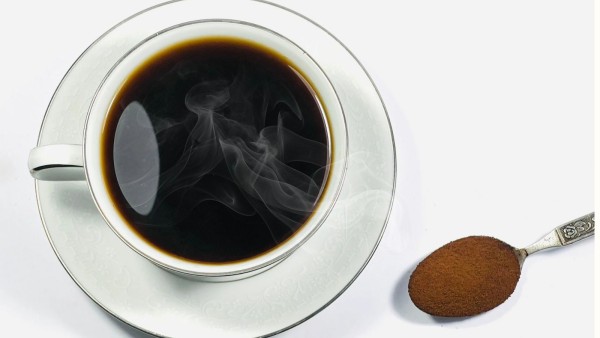
The coexistence of four commercial species within a single origin creates practical advantages for specialty roasters. Rather than sourcing Arabica from Colombia, Robusta from Vietnam, and experimental varieties from smaller producing countries, buyers can assemble layered flavor profiles from one coordinated supply chain.
For roasters, this allows experimentation with contrasting cup characteristics, such as the aromatic lift from Arabica, structure from Robusta, bold intensity from Liberica, and brightness from Excelsa, while maintaining clearer origin traceability. As climate variability and shifting consumer preferences reshape sourcing strategies, origins capable of offering diversity within a manageable geographic scale become increasingly attractive to specialty buyers.
The Philippine coffee sector is gradually strengthening the infrastructure needed to support this positioning. Producer cooperatives, regional processing centers, and export-oriented platforms are helping improve quality control, traceability, and international market access for local growers.
For example, the Philippine Coffee Board Inc. works with farmer groups across major producing regions to improve post-harvest handling, promote specialty grading standards, and link growers with domestic and international buyers. Meanwhile, industry initiatives such as Kape’t Bisig, supported by Nestlé Philippines, have also introduced farmer training, shared processing facilities, and quality improvement programs aimed at raising the global competitiveness of Philippine coffee.
For global buyers seeking nuance and biodiversity rather than scale alone, the Philippine archipelago presents a consolidated yet diverse sourcing landscape, where four commercial species coexist across mountains, lowlands, and volcanic terrain.
Together, these initiatives contribute to strengthening traceability systems, improving processing infrastructure, and expanding global market access for Philippine coffee exporters. For the discerning global buyer, the conclusion is clear: the Philippines is open for business, and the bottom line has never tasted this complex.
***
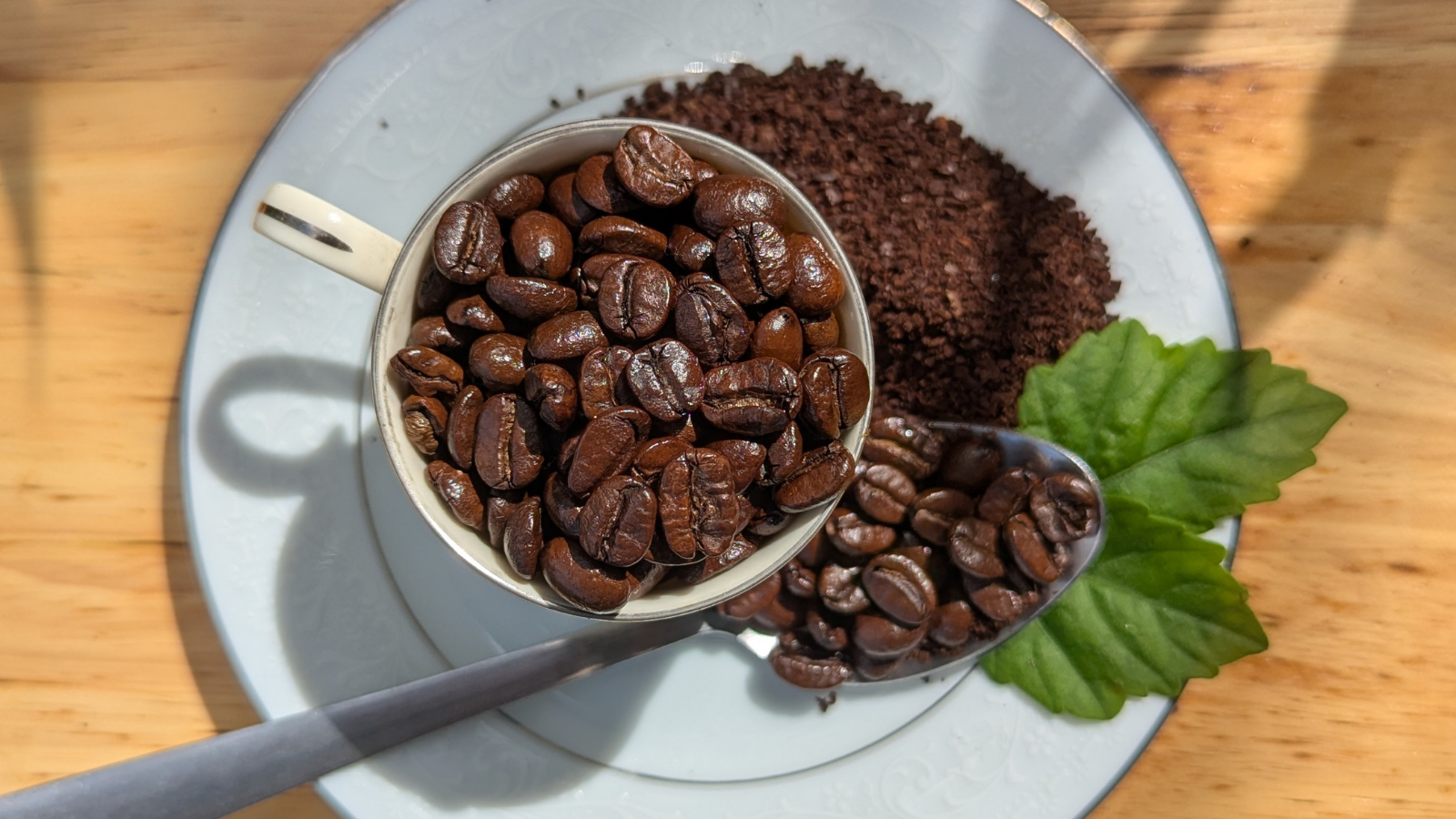
Banner caption: Arabica coffee beans make for excellent black coffee and espresso because of its aromatic profile.
Being a newbie in any industry is tough, most especially in the cutthroat world of food and bever-ag...
In April 2020, mountains of surplus broccoli and cauliflower were pictured decaying in the Mountain...
A country renowned for its pristine beaches and infectious hospitality, the Philippines is also the...

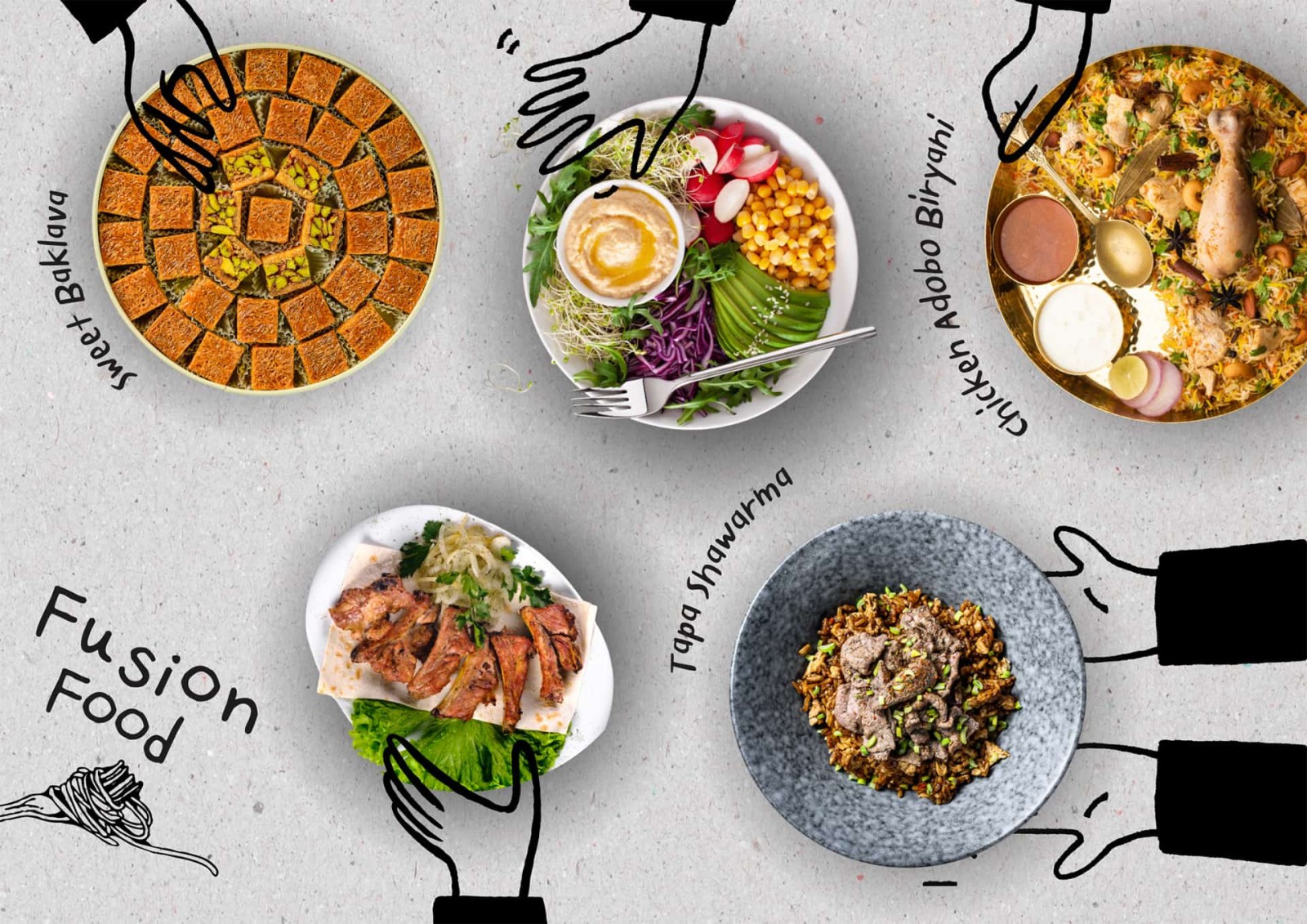
Check out these food fusions between Filipino and Middle Eastern cuisines
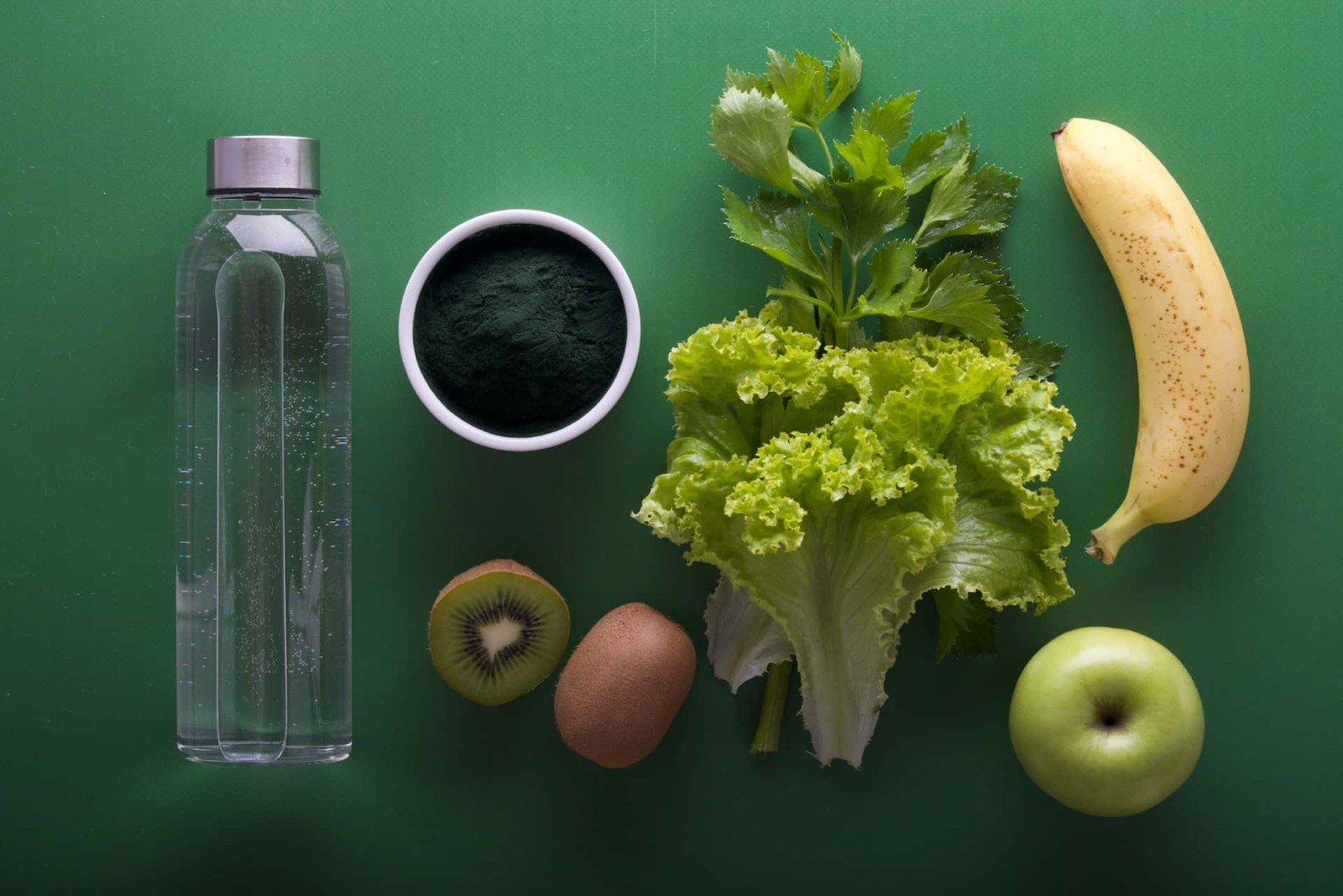
The unending quest for healthy and sustainable food amid changing lifestyles
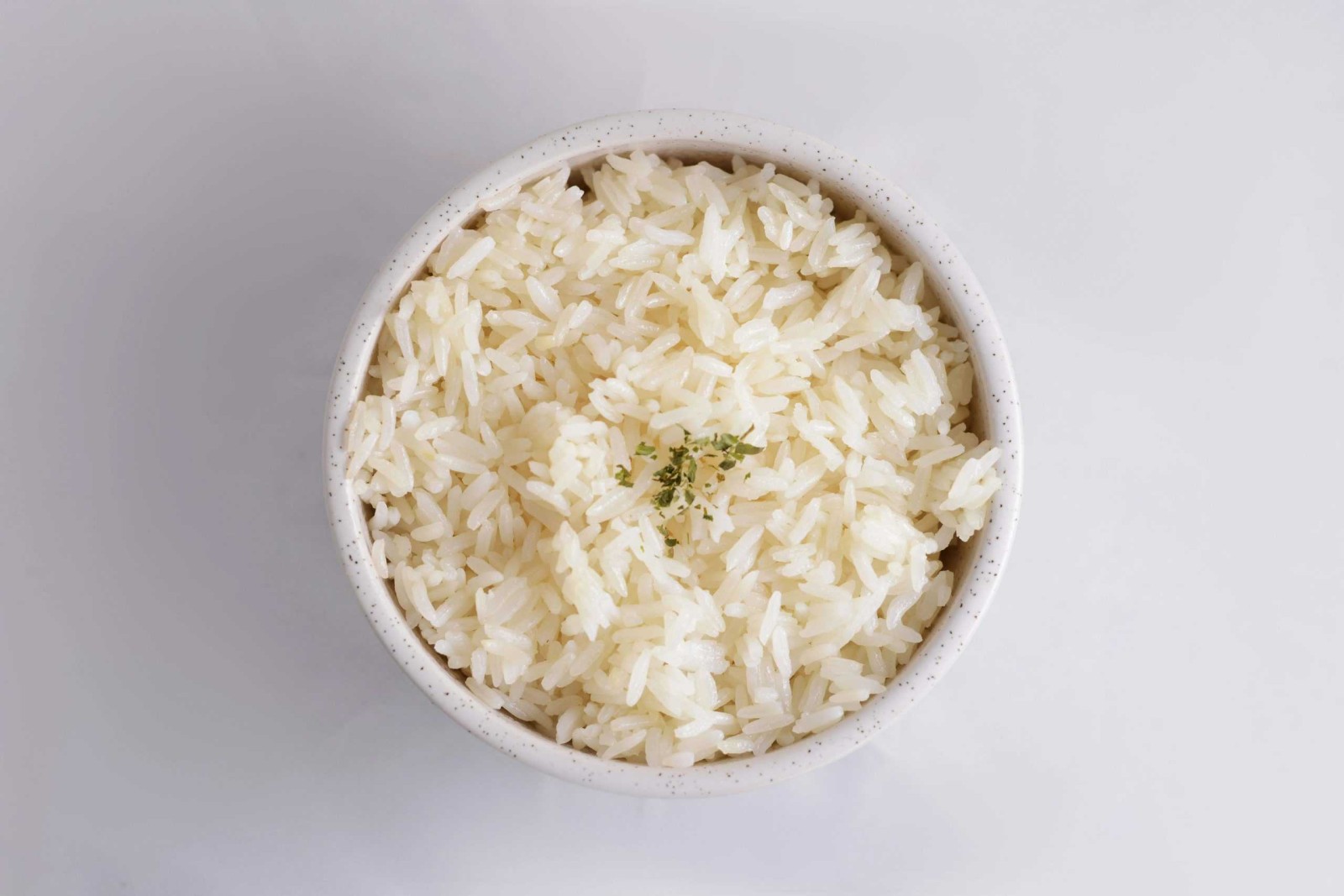
A quick look at the Philippine food staple often getting a bad health rap