
How to Make your Brand Stand Out
Being a newbie in any industry is tough, most especially in the cutthroat world of food and bever-ag...

CITEM advises all exhibitors, buyers, suppliers, service providers, partners, stakeholders, and the public to remain vigilant against unauthorized individuals, groups, or third-party entities falsely claiming to represent CITEM and its official programs and events.
These unauthorized communications may be sent through email, calls, SMS/text messages, social media, messaging applications, websites, or other digital channels. They may involve the alleged selling, distribution, or unauthorized access to CITEM data, databases, or contact lists. They may also involve solicitations, donation requests, sponsorship offers, payment instructions, or other monetary requests using the name of CITEM, its officials, personnel, events, or partners.
Please be reminded:
Official CITEM communications are sent only through verified official channels and corporate email domains, including @citem.com.ph.
CITEM does not authorize any individual, third-party entity, or unofficial representative to sell, distribute, share, or provide access to its official data, databases, contact lists, or stakeholder information.
CITEM does not authorize donations, sponsorship payments, direct fund transfers, e-wallet payments, or other monetary transactions through personal accounts or unofficial channels.
Do not click links, download attachments, reply, provide information, or make payments in response to suspicious communications.
If you receive any suspicious communication claiming to be connected with CITEM, please verify directly with your official project focal point or through CITEM’s official communication channels.
Thank you for your continued cooperation and vigilance.
Center for International Trade Expositions and Missions
June 03, 2026
With a distinct, texture-rich kick, Philippine spicy condiments are scaling up to meet the demands of the modern global palate.
The global appetite for spicy food is heating up, transforming it from a niche preference into a culinary standard. According to Fortune Business Insights, the global hot sauce market reached US$3.30 billion in 2024 and is projected to nearly double to US$5.98 billion by 2032. In North America alone, which commands over 44% of the market, the demand for authentic Asian flavors is driving consumers away from generic vinegary sauces toward complex, region-specific heat.
For international buyers, this signals a critical shift. The "hot sauce revolution" is no longer just about the Scoville scale; it is about provenance, texture, and umami. Consumers are seeking the next flavor frontier beyond Sriracha or Gochujang. This is where the Philippines enters the conversation: not just as a grower, but as an innovator in artisanal condiments.
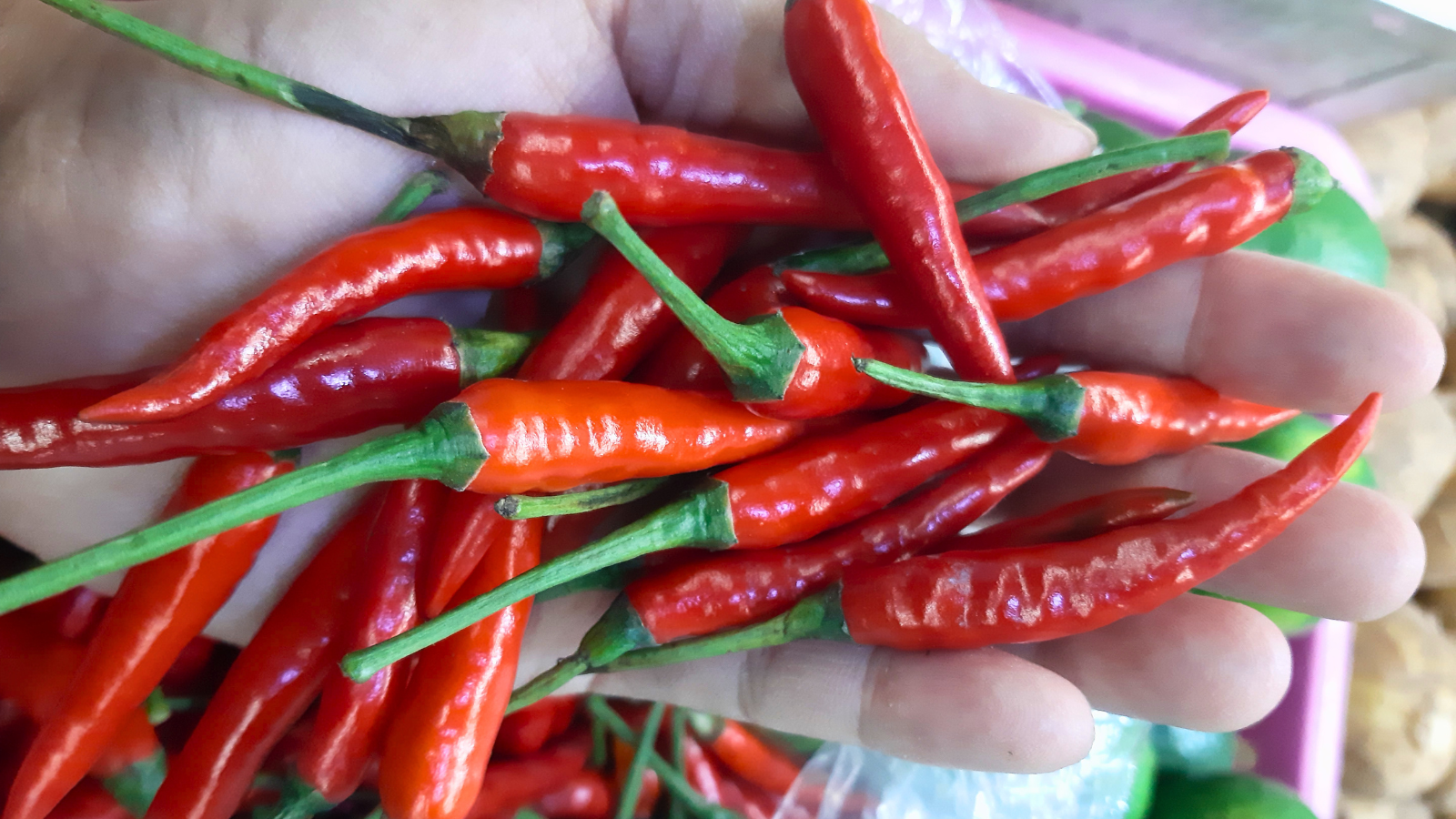
While neighboring countries are known for Sambal or Sriracha, the Philippines offers a distinct champion: the siling labuyo (wild chili). Small but incredibly potent, this native cultivar offers a sharp, piercing heat that cuts through rich flavors without overpowering them.
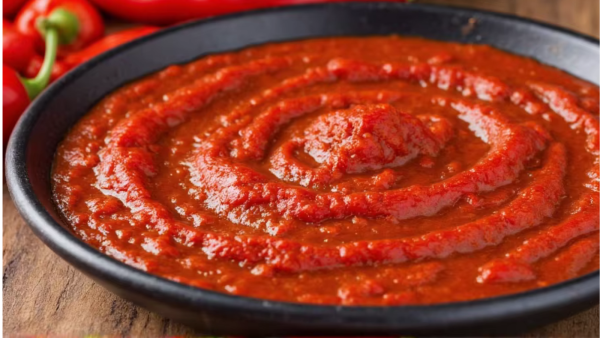
A chili paste with a perfect balance of spicy flavor and richness and was cooked slowly. Photo courtesy of Lisa Chang of Alibaba.
However, the Filipino competitive advantage lies in the culture of sawsawan (dipping sauces). Unlike Western sauces designed to be poured over finished dishes, Filipino condiments are meant to be customized. This has given rise to a new wave of export-ready products that blend heat with texture—specifically the booming category of chili garlic oil.
These products function less like sauces and more like "toppers" or meal enhancers, fitting perfectly into the modern consumer's demand for convenience. Filipino exhibitors like Billies Marketing are capitalizing on this, offering extra spicy hot sauces that cater to thrill-seeking palates.
Meanwhile, brands like Ninang's Kitchen elevate the concept by infusing heat into fermented shrimp paste (bagoong), creating a savory, textured condiment that delivers the "swicy" (sweet and spicy) and umami profiles currently trending in global food reports.
For global buyers, flavor is only half the battle; the other half is reliability. Philippine chili-based condiments are increasingly finding space in global food service applications, particularly in Asian-fusion restaurants in North America, Middle East hotel chains, and retail specialty aisles in Europe, where consumers are actively shifting toward textured, oil-based chili condiments and fermented heat profiles.
Products such as chili garlic oil, spicy bagoong, and labuyo-based sauces are being positioned not only as table condiments but as versatile ingredients used in marinades for grilled meats, finishing oils for noodles and rice bowls, and flavor enhancers for fried appetizers and snack foods.
The story of Ireneo S. Olaes, a former salesman turned farmer in Camarines Sur, illustrates this shift from backyard gardening to commercial viability. Through the Department of Agriculture’s High Value Crops Development Program (HVCDP), farmers like Olaes are receiving technical support, from high-quality seeds to plastic mulch technologies that protect crops during the rainy season.
The results are tangible. Between April and July 2025 alone, Olaes harvested over 2,300 kilograms of chili peppers. This type of production scale reflects how localized farming clusters are beginning to support export-linked supply chains, ensuring consistent raw material flow for processors serving international condiment markets.
By clustering farmers and providing fuel subsidies and mechanization support, the Philippines is strengthening upstream production capacity to support downstream manufacturers. This structure is increasingly relevant to global importers seeking stable supply partners for fast-growing condiment categories, where consistency, lead time reliability, and year-round availability directly affect retail positioning and restaurant menu integration.
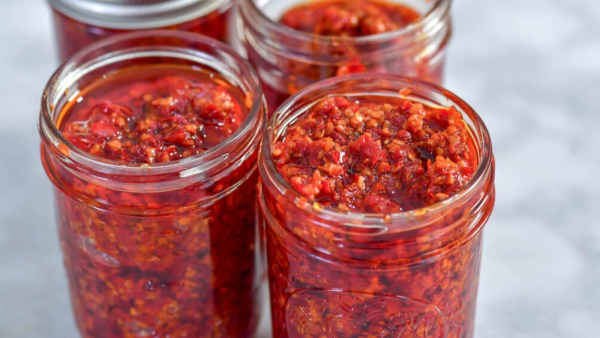
Cooked chili with oil. Photo courtesy of Panlasang Pinoy.
This resilience extends beyond the fields and into the processing facilities. Through the Department of Trade and Industry’s One Town, One Product (OTOP) program, the Philippines has systematically professionalized its artisanal sector, ensuring that distinct heritage flavors meet global safety and packaging standards.
The program acts as an incubator for export readiness, transforming small-scale growers into reliable manufacturers. A compelling example is Ninang’s Kitchen in Negros Oriental. Founder Hazel Asignar began by selling homemade bagoong (shrimp paste) to local teachers and classmates. Through DTI OTOP’s intervention, specifically in brand equity and packaging seminars, she was able to standardize her production. Today, Ninang’s Kitchen has evolved into a full-fledged enterprise, exporting distinct condiments including chili sauce and spicy bagoong, with sales growing by over 500% since joining the program.
By combining the authentic, sharp heat of indigenous chilies with a stabilized, professionalized supply chain, the Philippines offers global partners a unique opportunity to capture the growing market for premium ethnic condiments. Discover the heat of the islands and connect with top condiment manufacturers at IFEXConnect.com.
Being a newbie in any industry is tough, most especially in the cutthroat world of food and bever-ag...

In April 2020, mountains of surplus broccoli and cauliflower were pictured decaying in the Mountain...

A country renowned for its pristine beaches and infectious hospitality, the Philippines is also the...

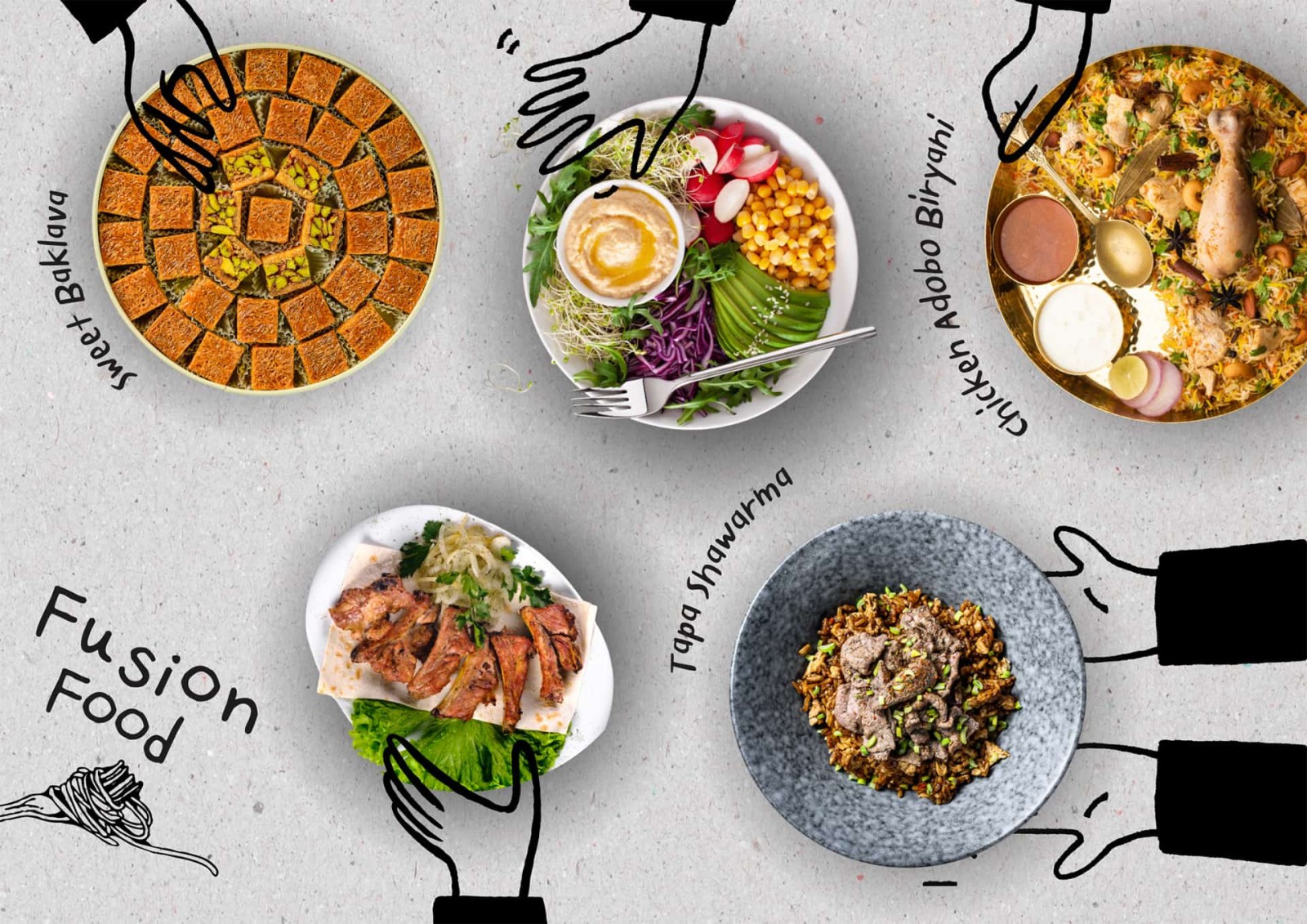
Check out these food fusions between Filipino and Middle Eastern cuisines

The unending quest for healthy and sustainable food amid changing lifestyles
A quick look at the Philippine food staple often getting a bad health rap